
Fitout Decisions That Quietly Shape Your WHS Reporting
Jan 28, 2026
When fleet managers review WHS reports, the focus is often on incidents, near misses, and injuries that have already occurred. What is less visible is how many of those events were influenced months or even years earlier by decisions made during the vehicle fitout stage.
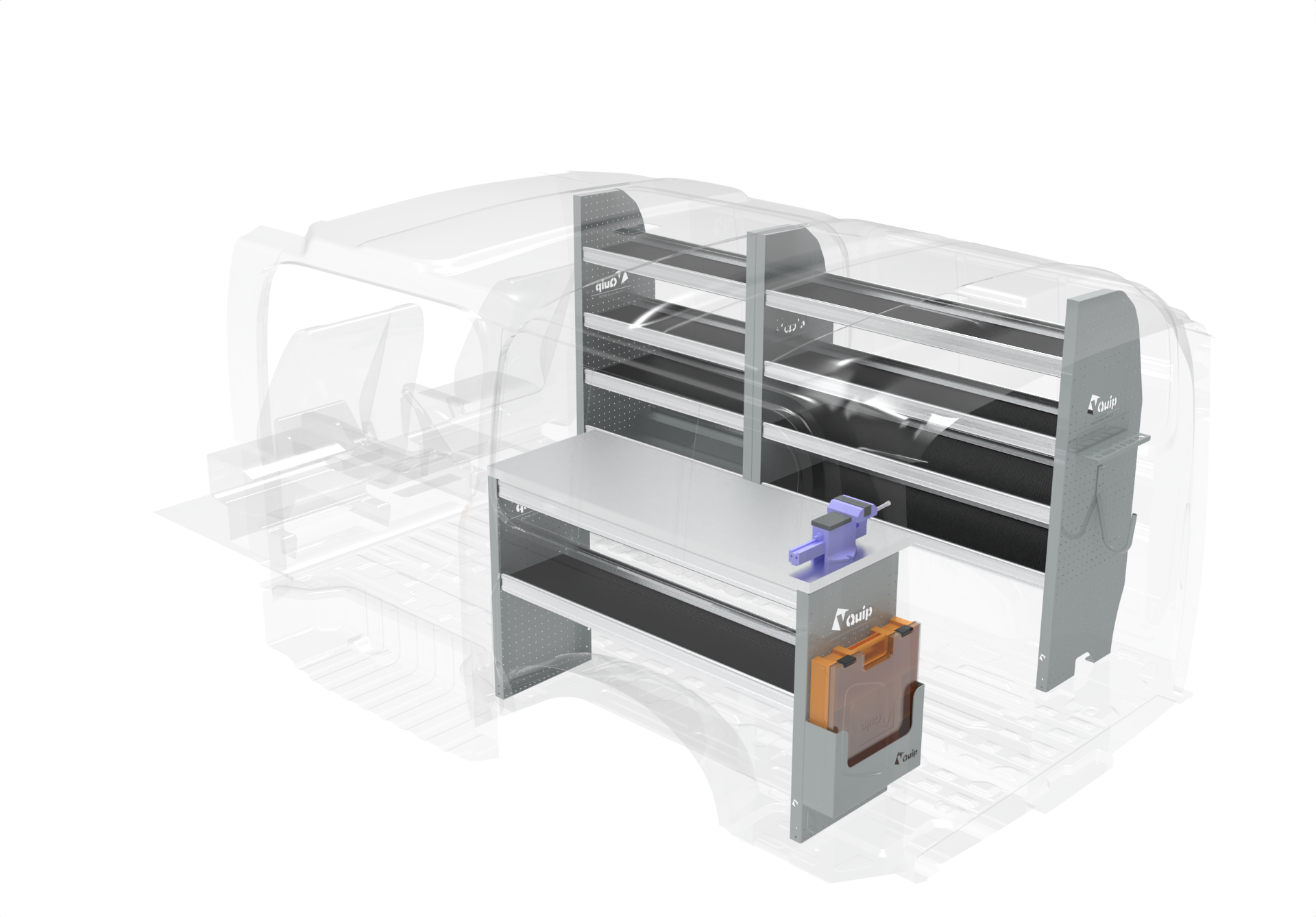
Fitouts are rarely considered a WHS control in their own right. Yet storage layout, access, restraint systems, and equipment placement directly affect how people move, lift, reach, and work every day. Over time, these choices shape what ends up being reported, investigated, and escalated through WHS systems.
Understanding this link is critical for any organisation running service, maintenance, or field-based fleets.
WHS Reporting Reflects Daily Behaviour, Not Just Major Incidents
Most WHS reporting does not come from catastrophic failures. It comes from:
- Repeated minor strains
- Slips or awkward exits from vehicles
- Manual handling complaints
- Fatigue-related errors
- Near misses that become patterns
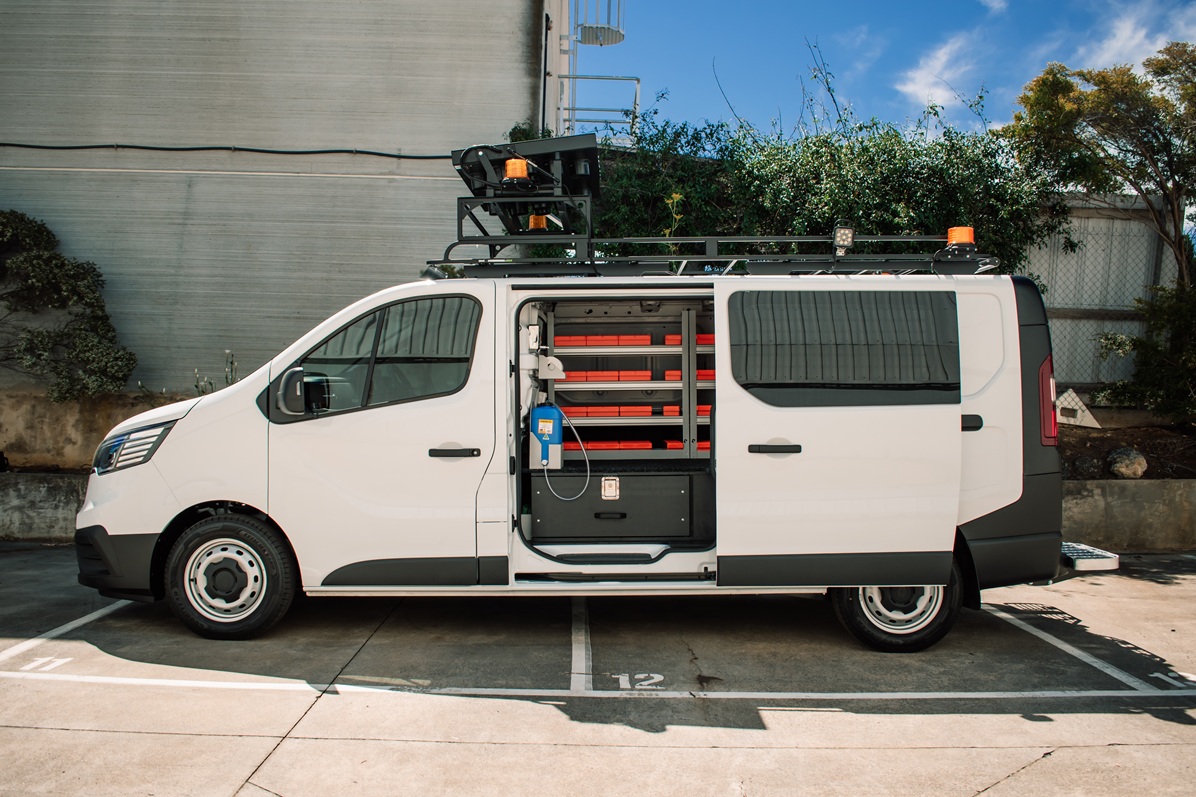
Vehicles are mobile workplaces. When technicians spend hours accessing tools, parts, and consumables from vans or utes, the fitout becomes one of the most consistent risk exposures they face.
If the vehicle layout forces poor movement, the WHS data will eventually show it.
Manual Handling Starts With Layout
One of the most common contributors to WHS reports in fleets is manual handling strain.
Fitout decisions that influence this include:
- Heavy items stored above shoulder height
- Frequently used tools stored below knee height
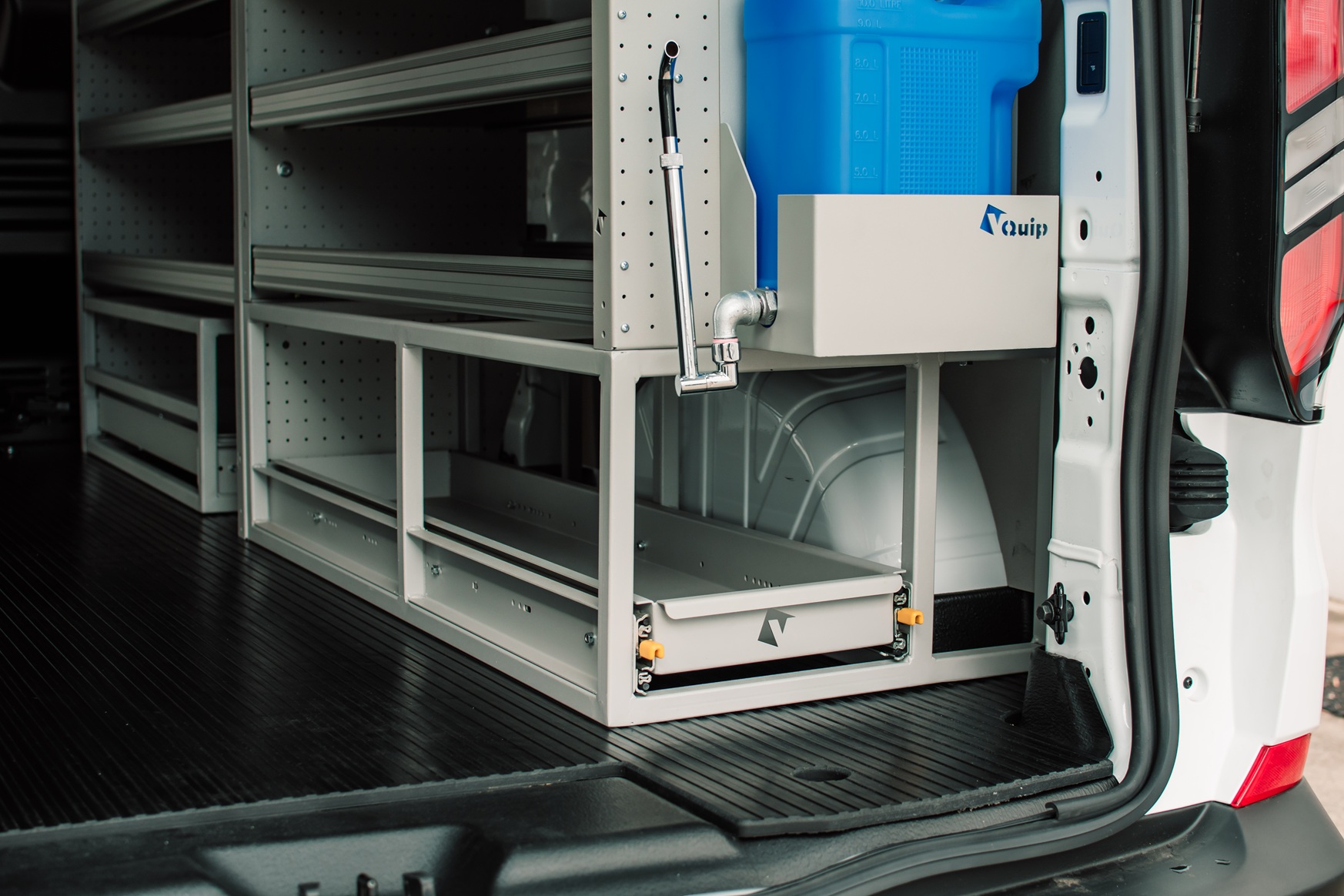
- Deep shelving that requires overreaching
- Drawers without full extension
- Unrestrained items that shift during driving
Each of these increases the likelihood of awkward postures, twisting, or lifting under load. Individually, they may not trigger an incident. Repeated daily, they contribute to cumulative strain injuries that appear in WHS reporting as trends rather than one-off events.
A well-designed fitout reduces the number of high-risk movements before a job even starts.
Access and Egress Is a Silent Risk Category
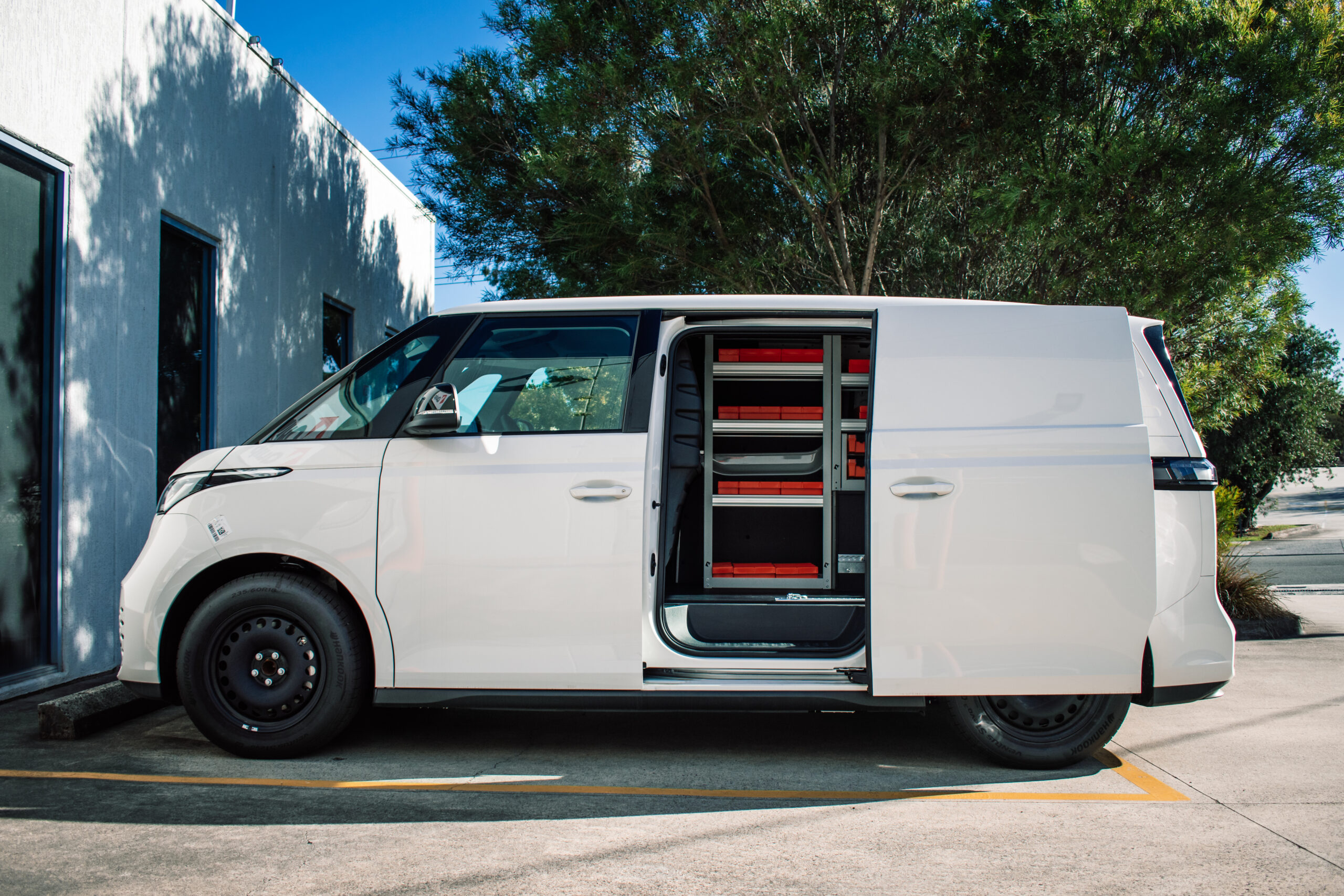
Climbing in and out of vehicles is rarely labelled as a hazard during design, yet it is a frequent contributor to near misses and minor injuries.
Common fitout-related contributors include:
- Blocked doorways due to poor storage placement
- Steps or floors that become slippery when wet or dusty
- Equipment mounted where it restricts natural movement
- Poor lighting inside the cargo area
- Inconsistent access points across a fleet
These issues often appear in WHS reports as slips, trips, or general access complaints. They are easy to dismiss individually, but they become significant when repeated across dozens or hundreds of vehicles.
Load Restraint Affects Incident Classification
Unrestrained or poorly restrained items do more than create safety risks. They also complicate incident reporting.
When tools or equipment move during braking or cornering, they can:
- Strike vehicle occupants
- Damage other equipment
- Create secondary hazards when doors are opened
- Lead to incidents that could have been prevented through design
From a WHS perspective, this often escalates incidents from minor to notifiable, particularly when there is potential for serious injury. Fitout decisions around restraint systems, shelf design, and retention methods directly influence how incidents are classified and investigated.
Fatigue Is Influenced by Fitout Efficiency
Fatigue-related reporting is increasing across many fleets. While long hours and workload play a role, vehicle efficiency is often overlooked.
Poor fitout design increases fatigue through:
- Extra steps to access tools
- Repeated bending and reaching
- Time pressure caused by inefficiency
- Frustration and cognitive load
These factors do not always result in immediate injuries. Instead, they contribute to errors, reduced situational awareness, and near misses that appear in WHS systems as patterns over time.
Efficient layouts reduce both physical and mental load, especially late in the day when fatigue is highest.
Standardisation Improves Data Quality
Inconsistent fitouts across a fleet make WHS reporting harder to interpret.
When vehicles differ significantly, it becomes difficult to determine whether an incident is caused by behaviour, environment, or design. Standardised fitouts allow WHS teams to:
- Identify genuine trends
- Compare like-for-like data
- Implement targeted improvements
- Close the loop between incidents and design changes
Standardisation does not mean one size fits all. It means consistent principles applied intelligently across different roles.
Fitouts as a Preventative WHS Control
The most effective WHS systems focus on prevention rather than response. Vehicle fitouts sit upstream of many common hazards but are often excluded from WHS discussions.
When fitouts are treated as a preventative control, organisations can:
- Reduce injury frequency over time
- Lower reporting volumes for avoidable issues
- Improve technician engagement with safety systems
- Demonstrate proactive risk management
This approach shifts fitout decisions from procurement-driven choices to safety-informed investments.
Designing for Reporting Outcomes, Not Just Compliance
Compliance is essential, but compliance alone does not guarantee safer outcomes or cleaner WHS data.
Fitouts designed with real-world use in mind support safer movement, better access, and lower fatigue. Over time, this is reflected in fewer manual handling reports, fewer access-related incidents, and clearer, more actionable WHS data.
For fleet managers, the question is no longer whether fitouts affect WHS reporting. It is whether those impacts are being actively managed or left to chance.