Mine Spec Ute Fitouts: What’s Required and Why It’s Never One-Size-Fits-All
Jan 28, 2026
Mining environments are some of the harshest operating conditions a vehicle will ever face. Remote locations, rough terrain, long hours, dust, heat, and strict site safety rules all place unique demands on work vehicles.
This is where the term mine spec comes in.
A mine spec ute service body, tray or canopy fitout is not just about adding accessories. It is about configuring a vehicle to meet specific safety, operational, and compliance requirements set by a mine site operator.
And that last part is critical. There is no single definition of mine spec across Australia.
What qualifies as mine spec at one site may be different at another, even within the same state. Understanding this is essential before specifying, or building a ute fitout for mining use.
What Does “Mine Spec” Actually Mean?
At its core, mine spec refers to a vehicle that has been modified to comply with the safety and operational standards required to operate on a mine site.
These standards are typically driven by:
- Site-specific safety management systems
• State-based mining regulations
• Internal risk assessments
• Environmental and operational conditions
• Incident history and lessons learned
Rather than being a fixed checklist, mine spec is usually a set of requirements issued by the mine operator or principal contractor. These requirements can change between sites, commodities, and even different areas of the same operation.
This is why mine spec vehicles must always be built around the specific site requirements, not assumptions.
Why Mine Spec Requirements Vary Across Australia
Australian mine sites operate in vastly different environments.
An iron ore site in the Pilbara, a coal mine in the Bowen Basin, and a gold operation in regional Victoria will all have different risks, terrain, and operating procedures.
As a result, mine spec requirements can vary based on:
- Climate and visibility conditions
• Traffic management systems
• Proximity to heavy mobile equipment
• Emergency response protocols
• Site access and speed limits
• Fatigue management policies
Some sites enforce extremely strict standards, while others adopt a more pragmatic approach based on operational risk.
This is why it is essential to treat mine spec as a project-specific requirement, not a generic fitout category.
Common Mine Spec Inclusions for Utes
While requirements vary, there are a number of inclusions that are commonly specified across many Australian mine sites. These form a good baseline for understanding what is typically involved in a mine spec ute fitout.
Hi-Visibility Mine Decals and Call Sign Markings
High-visibility markings are critical for vehicle identification and visibility in active mining environments.
Common inclusions are:
- Hi-visibility reflective striping
• Site-specific colour requirements
• Call sign markings on doors, tray sides, and rear panels
• Fleet or contractor identification decals
These markings allow vehicles to be quickly identified by operators of heavy machinery and site traffic controllers.
Lockable Battery Isolator Switch
A lockable battery isolator is a standard requirement on many mine sites.
It allows the vehicle’s electrical system to be isolated when parked, during maintenance, or in emergency situations.
Typical requirements include:
- External or easily accessible isolator location
• Lockable mechanism
• Clear labelling
Battery isolation reduces fire risk and provides a clear safety control when vehicles are unattended.
Mine Light Bar, Rotating Amber Beacon, and Reversing Buzzer
Visibility and audible warnings are essential in high-risk areas.
Mine lighting requirements often include:
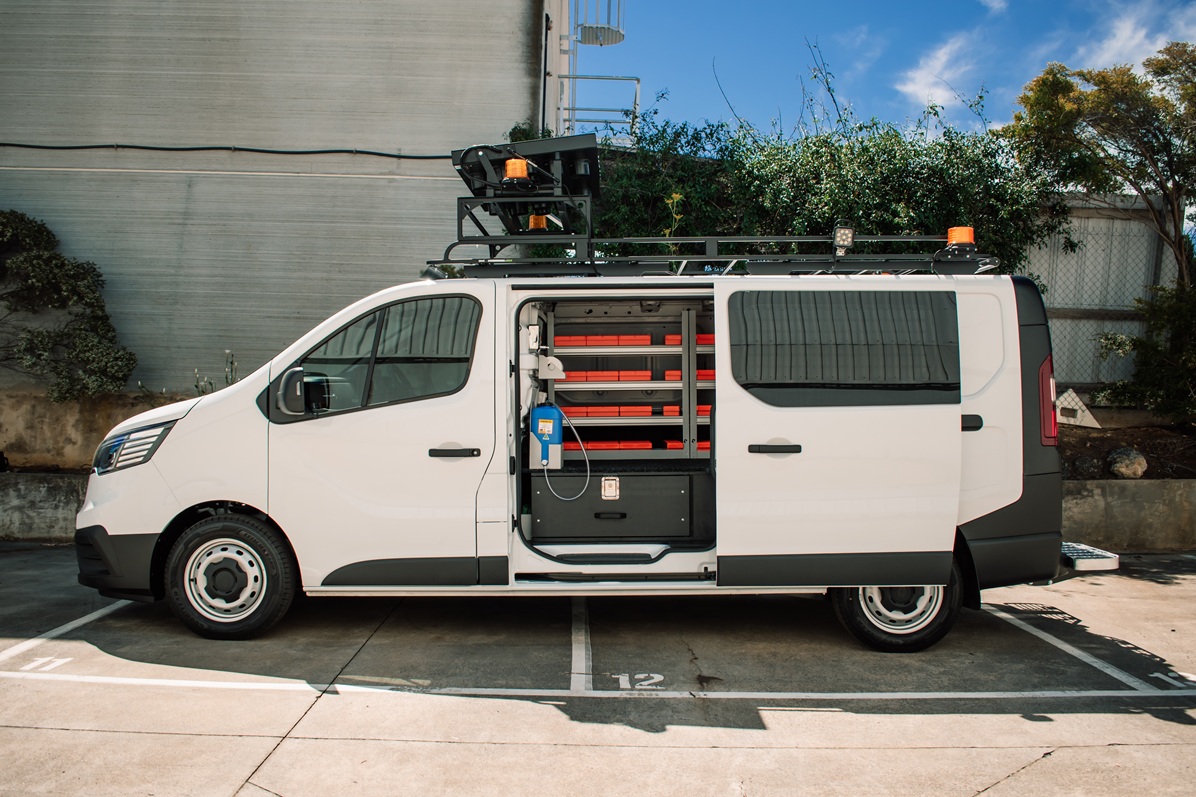
- LED mine-rated light bar
• Rotating or flashing amber beacon
• Reversing buzzer or alarm
These systems alert pedestrians and equipment operators to vehicle movement, particularly in low-visibility conditions or congested work areas.
Wheel Nut Indicators
Wheel nut indicators provide a visual check that wheel nuts have not loosened.
They are widely required on mine sites due to the consequences of wheel loss in heavy operating environments.
Their purpose is simple but critical. They provide a fast, visual pre-start inspection point that helps prevent serious incidents.
Sand or Whip Flag
Whip flags are commonly required for off-road and low-visibility areas.
They increase vehicle visibility over crests, through vegetation, and in uneven terrain.
Mine sites may specify:
- Minimum height
• Flag colour
• Mounting location
First Aid Kit and Snake Bite Kit
Remote operations require vehicles to carry appropriate emergency medical supplies.
Common requirements include:
- Site-approved first aid kit
• Snake bite kit, particularly in regional and remote areas
• Secure, accessible mounting
These kits must often meet specific standards and be regularly inspected.
Wheel Chocks
Wheel chocks are a simple but vital safety inclusion.
They are typically required when parking on uneven ground or during maintenance tasks.
Mine sites may specify:
- Size and material
• Number of chocks
• Dedicated storage location
Emergency or Safety Triangles
Emergency warning triangles provide advance notice to other vehicles in the event of a breakdown or incident.
They are often required to be reflective, compliant with Australian standards, and securely stored.
Suspension and GVM Upgrades
Service bodies, tools, consumables, and accessories add significant weight to a ute.
Suspension and GVM upgrades are often required to:
- Maintain legal compliance
• Improve vehicle stability
• Reduce component wear
• Enhance safety under load
Any upgrade must be engineered, certified, and matched to the final fitout weight.
Off-Road All-Terrain Tyres
Tyre selection plays a major role in vehicle safety and performance on mine sites.
All-terrain tyres are commonly specified to provide:
- Improved traction on loose surfaces
• Increased puncture resistance
• Better durability in harsh conditions
Tyre specifications are often dictated by site policy.
Bull Bar
Bull bars are frequently required to protect vehicles from animal strikes and debris.
Mine site requirements may specify:
- Steel or alloy construction
• ADR compliance
• Compatibility with airbags and sensors
Driving Lights
Additional driving lights improve visibility during early morning, night, or low-light operations.
These are often specified alongside standard headlights, particularly for regional and remote sites.
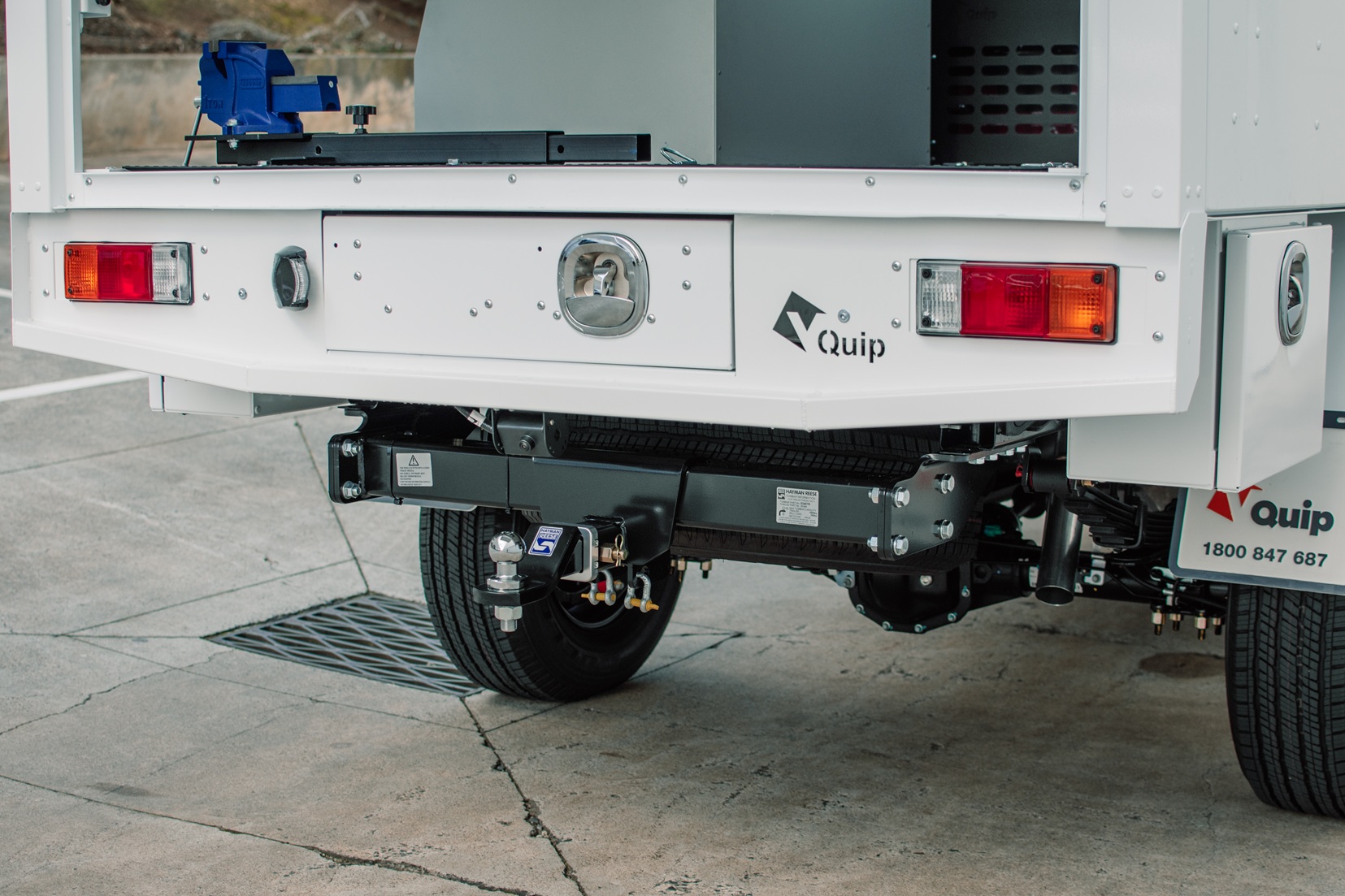
Tow Bar
Tow bars are commonly required for trailers, plant, or equipment.
Mine sites may specify:
- Rating requirements
• Safety chain configurations
• Electrical connection standards
Designing a Mine Spec Fitout the Right Way
The most important takeaway is this.
Mine spec is not a fixed list of accessories.
Every mine site has its own rules, risk profile, and expectations. A compliant, fit-for-purpose fitout starts with understanding those requirements before design and installation begins.
At VQuip, this means working with fleet managers, project teams, and site representatives to confirm:
- Site-specific mine spec documents
• Access and operational requirements
• Payload and GVM considerations
• Long-term durability needs
The result is a ute fitout that is compliant, practical, and ready for the realities of mining work.
Because when it comes to mine spec vehicles, getting it right is not just about ticking boxes. It is about safety, reliability, and keeping people and operations moving.