The Hidden Link Between Van Fitout Design and First-Time Fix Rates
Feb 21, 2026
In mechanical services fleets, first-time fix rate is one of the most important performance indicators.
When a technician can complete a job in a single visit, everything works better:
- Labour efficiency improves
- Travel time reduces
- SLAs are protected
- Customers stay confident
- Technicians finish the day ahead, not behind
When a job needs to be rebooked because a small fitting, connector or component wasn’t on board, the cost is rarely “just one extra part”. It’s lost time, additional admin, vehicle wear, and reputational risk.
What’s often overlooked is this:
Van fitout design plays a direct role in first-time fix performance.
The Real Cost of a Missed Part
In mechanical services work — HVAC, refrigeration, controls, machine servicing — jobs often hinge on relatively small components:
- Electrical connectors
- Pipe fittings
- Mounting hardware
- Isolation switches
- Control modules
- Consumables and fasteners
If one critical item is missing, the technician may have no option but to return to site.
Multiply that across a fleet of 20 or 50 technicians and even one avoidable rebooking per week becomes significant.
Improving first-time fix rates isn’t only about training or scheduling. It’s also about how effectively each vehicle operates as a mobile warehouse.
Why Parts Go Missing in Service Vans
Most repeat visits aren’t caused by carelessness. They’re usually caused by poor storage design.
Common issues we see in mechanical services fleets include:
- Deep shelves where fittings get buried
- Mixed storage of tools and consumables
- No defined restocking zones
- Poor visibility of stock levels
- Heavy equipment limiting how much stock can be carried
- Vans overloaded beyond practical payload
When storage is disorganised, technicians either can’t see what they have — or they avoid carrying a full range of consumables because there simply isn’t space.
The result? Increased dependency on depot visits and mid-day supply runs.
Designing Vans for First-Time Fix Performance
A well-designed van fitout supports higher first-time fix rates in several key ways.
- Defined Consumables Zones
Clear, dedicated areas for commonly used parts allow technicians to quickly locate and replenish stock.
Separating:
- Electrical components
- Plumbing and pipe fittings
- Refrigeration parts
- Fasteners and anchors
reduces cross-contamination of storage and makes stock checks faster and more reliable.
When every part has a home, it’s easier to notice what’s missing.
- High-Visibility Storage Systems
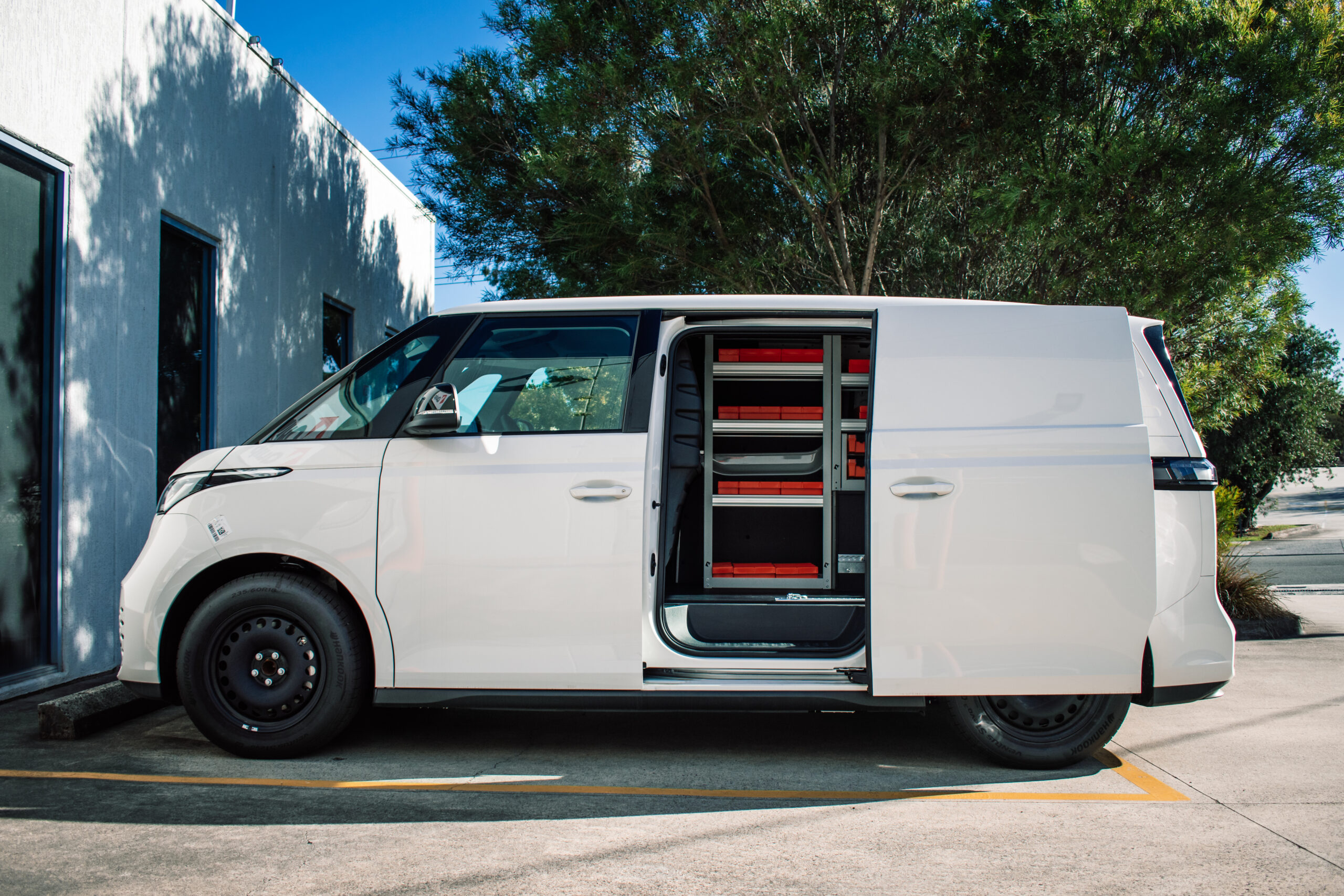
Modular bin systems with clear fronts allow technicians to visually confirm stock levels at a glance.
This:
- Reduces guesswork
- Supports quicker pre-start checks
- Encourages proactive restocking
When bins are labelled and standardised across the fleet, technicians can move between vehicles without losing efficiency.
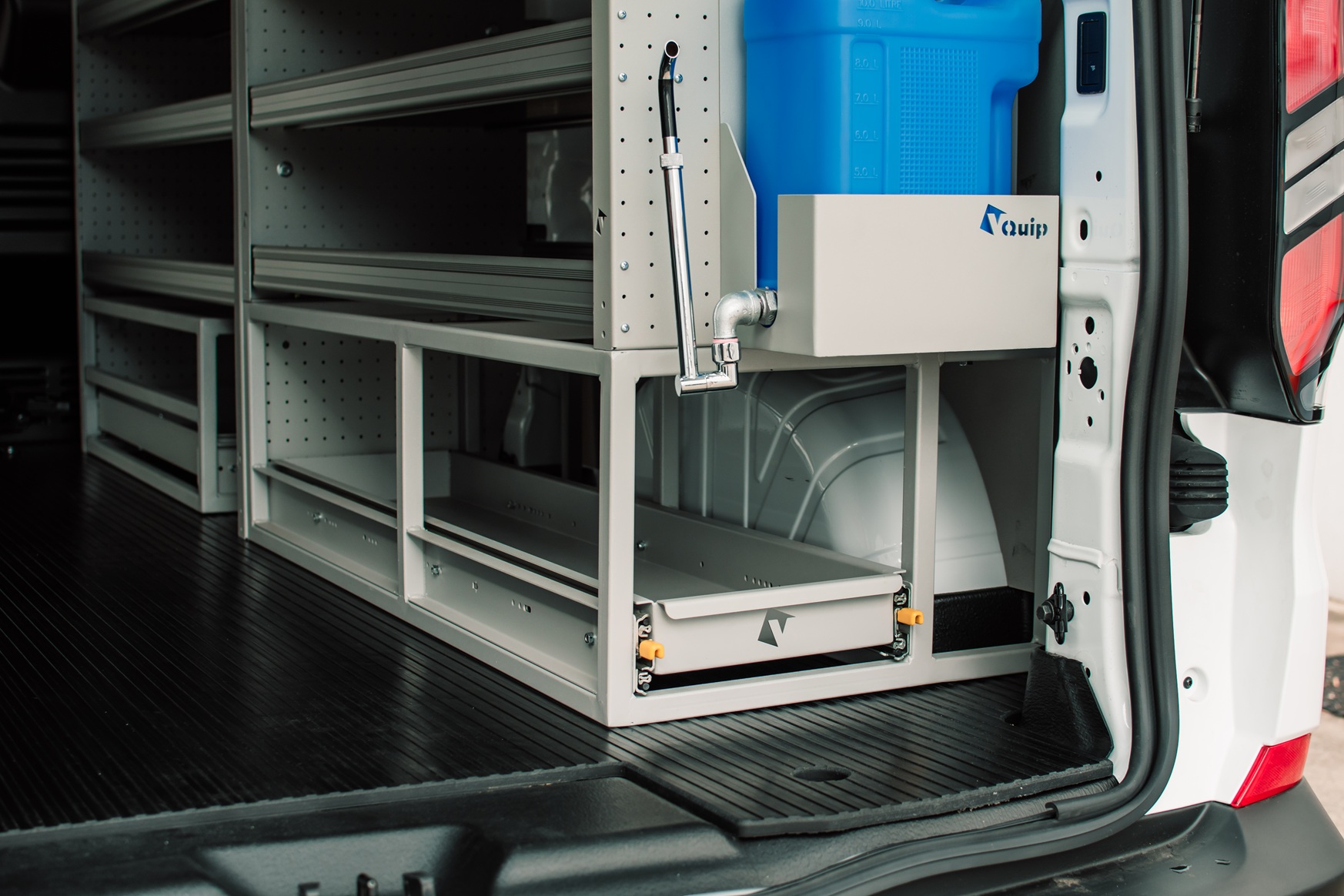
- Weight-Optimised Fitouts
Carrying more essential parts only works if the vehicle remains compliant and safe.
Lightweight shelving systems help preserve available payload, allowing technicians to carry:
- Additional consumables
- Backup components
- Emergency parts
without exceeding GVM limits.
Weight management is not just a compliance issue — it directly impacts how much stock a technician can safely keep on board.
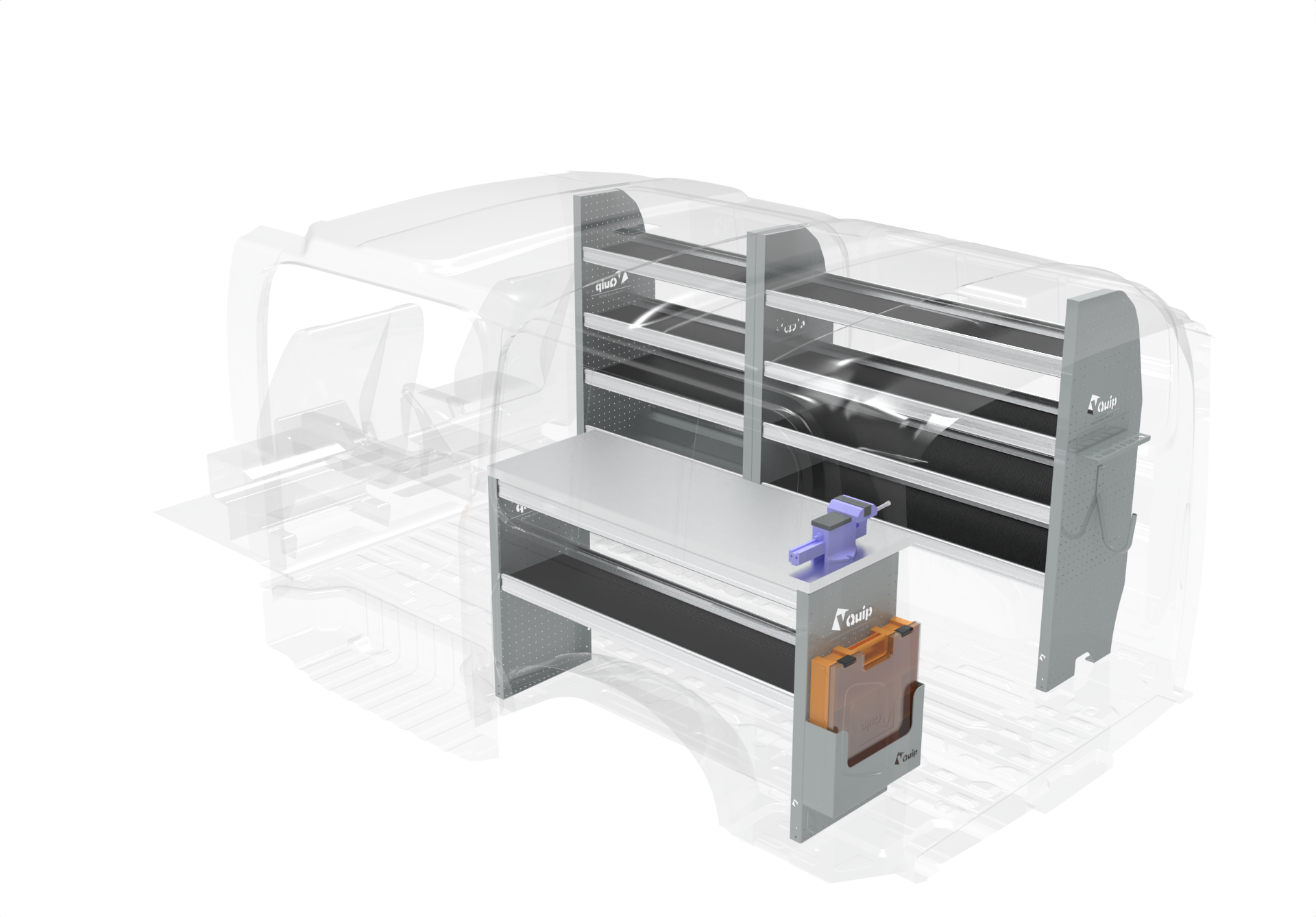
- Workflow-Based Layout
Frequency of use should dictate storage position.
High-frequency items belong:
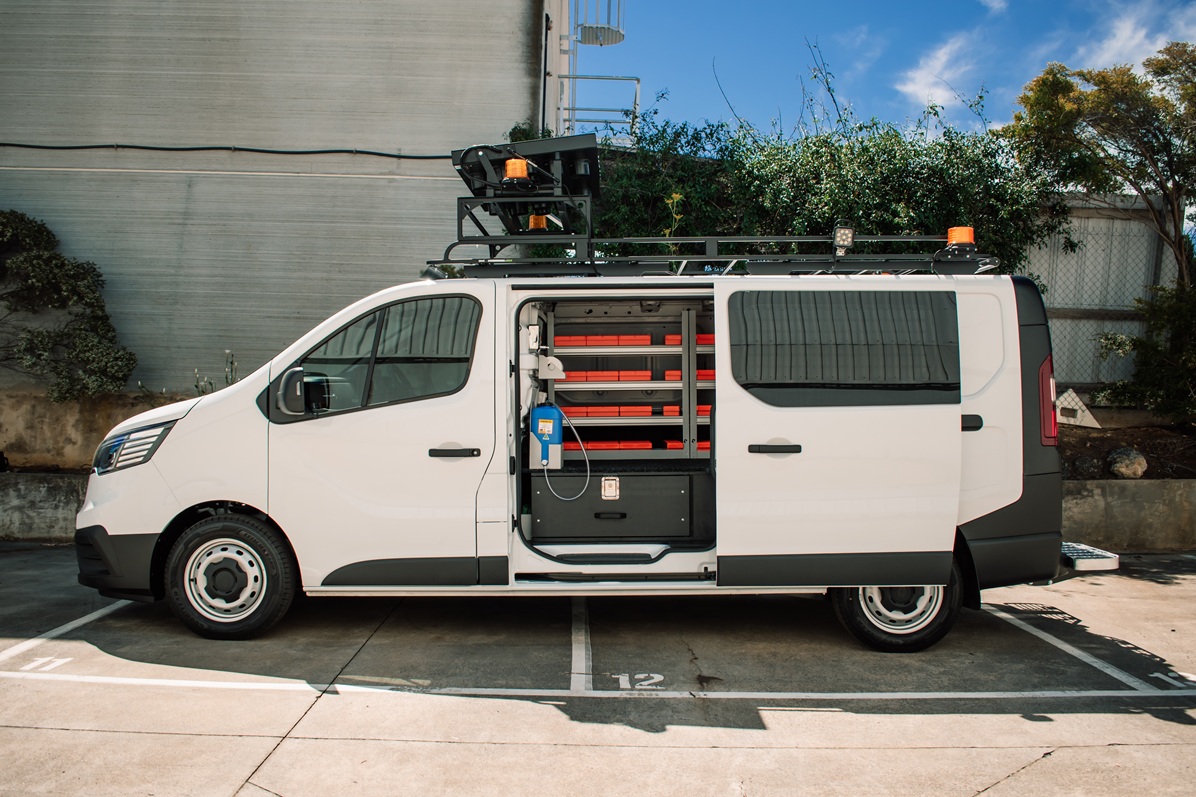
- At waist height
- Within easy reach
- Near side-door access
Heavy equipment such as vacuum pumps or recovery units should be mounted low and forward for both safety and ergonomics.
When technicians can access common parts without climbing, kneeling excessively, or shifting equipment, jobs are completed faster and with less fatigue.
Layout Influences Behaviour
An often-overlooked factor in fleet performance is technician behaviour.
If restocking is difficult, it won’t happen consistently.
If parts are hard to see, low levels go unnoticed.
If storage is chaotic, technicians develop workarounds.
Good design reduces reliance on discipline alone.
When layout is intuitive and structured:
- Stock checks become habitual
- Vans stay organised
- Parts are replenished more consistently
That consistency supports stronger first-time fix performance across the fleet.
The Role of Standardisation
For larger mechanical services fleets, standardised fitouts amplify the benefit.
When every van includes:
- The same consumables layout
- The same bin labelling
- The same restock checklist
- The same equipment mounting locations
…variation reduces.
Service quality becomes more predictable.
Technician onboarding becomes faster.
Fleet managers gain better control over inventory planning.
Standardisation is not about restricting technicians — it’s about removing friction.
First-Time Fix Rates Start Before the Job Begins
Fleet performance is often viewed through the lens of scheduling software, technician training, and KPI dashboards.
But the physical design of each vehicle is just as important.
A mechanical services van that is thoughtfully designed:
- Carries the right range of parts
- Keeps stock visible and accessible
- Maintains payload compliance
- Supports safe, efficient workflows
directly contributes to fewer repeat visits.
A Van Is More Than Transport
In mechanical services fleets, a van is not just a vehicle. It is:
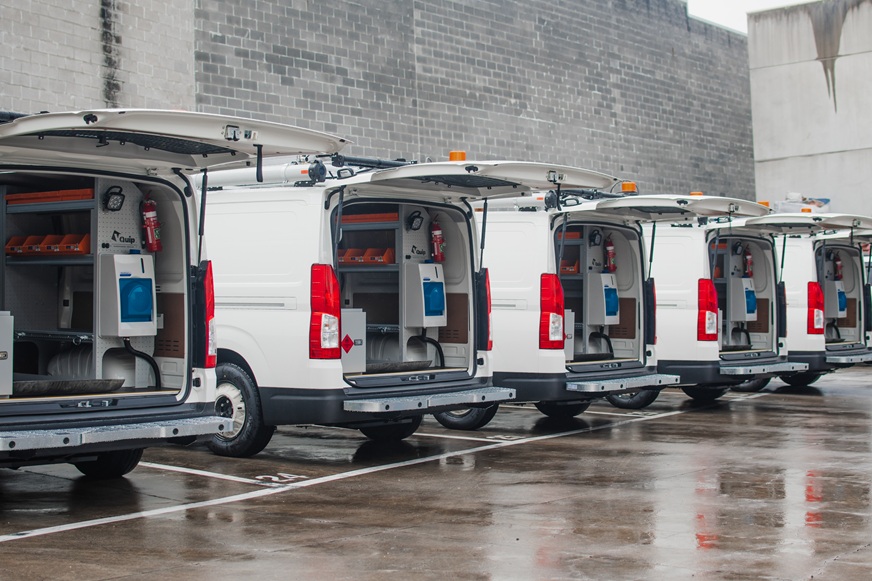
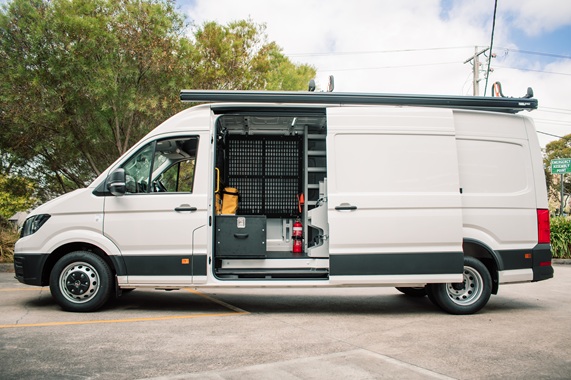
- A mobile storeroom
- A mobile workshop
- A mobile compliance environment
When that mobile workspace is designed properly, technicians are better equipped to resolve issues in a single visit.
And when first-time fix rates improve, the impact flows through the entire business — from reduced operational cost to stronger client relationships.
The hidden link is simple:
Well-designed van fitouts don’t just look organised. They drive measurable performance.