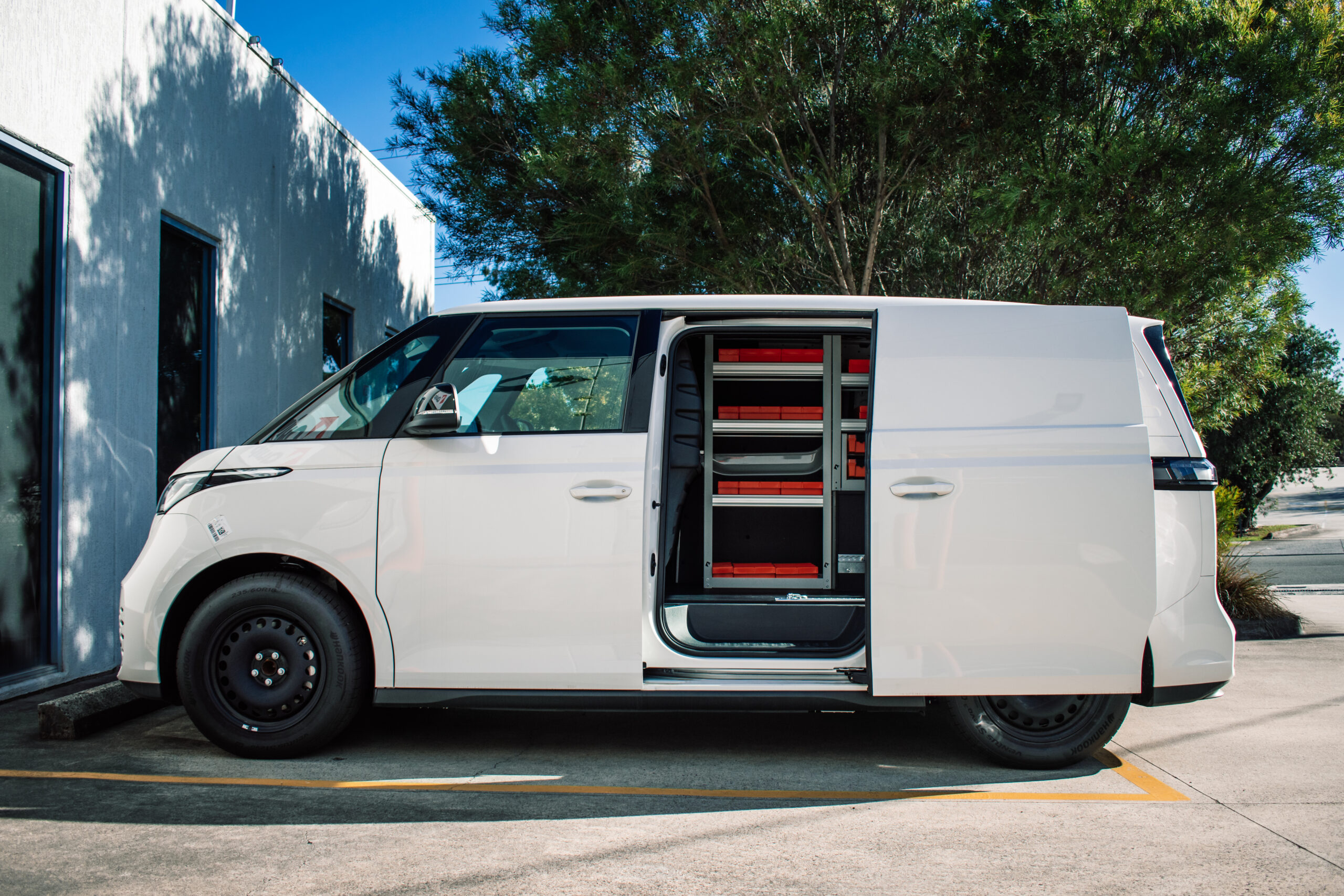

When More Storage Actually Makes Vans Less Productive
Feb 3, 2026
More storage is often seen as an automatic upgrade in a van fitout. Extra shelves, deeper drawers, more compartments. On paper, it looks efficient. In practice, it can quietly make a van harder to work from.
Productivity inside a service van is not about how much gear you can carry. It is about how quickly and safely technicians can access what they actually use.
Storage Density vs Usability
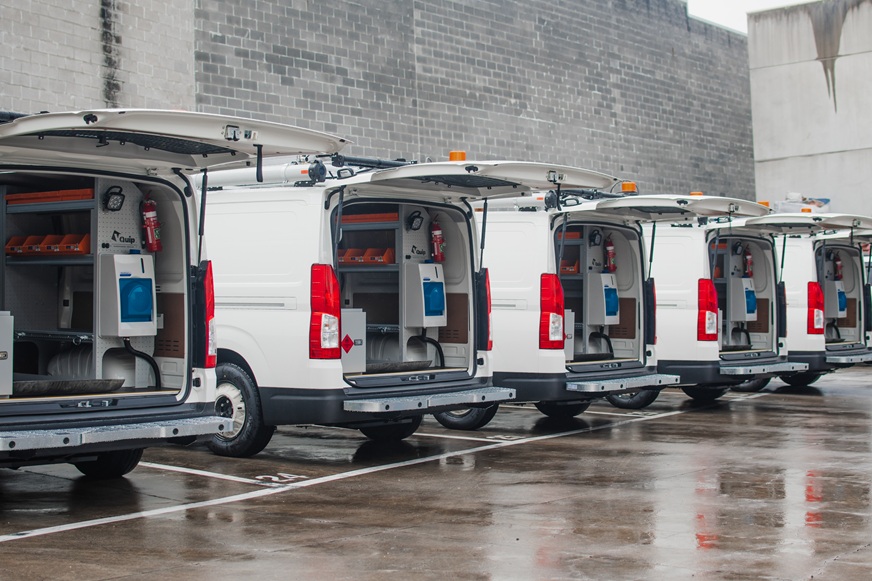
One of the most common mistakes in van design is over-densifying storage. When shelving is packed floor to ceiling, technicians are forced to reach higher, bend lower, or dig deeper to access everyday tools and consumables. These extra movements add up across a day.
What looks like better organisation often results in slower job completion, more fatigue, and higher injury risk.
The Hidden Cost of Overfilling Vans
Excess storage also encourages excess carrying. Vans slowly accumulate rarely used parts “just in case”. This increases vehicle weight, reduces available payload, and can affect braking, handling, and fuel consumption.
In fleet environments, this weight creep is rarely tracked but it directly impacts safety and whole-of-life costs.
Congestion Kills Workflow
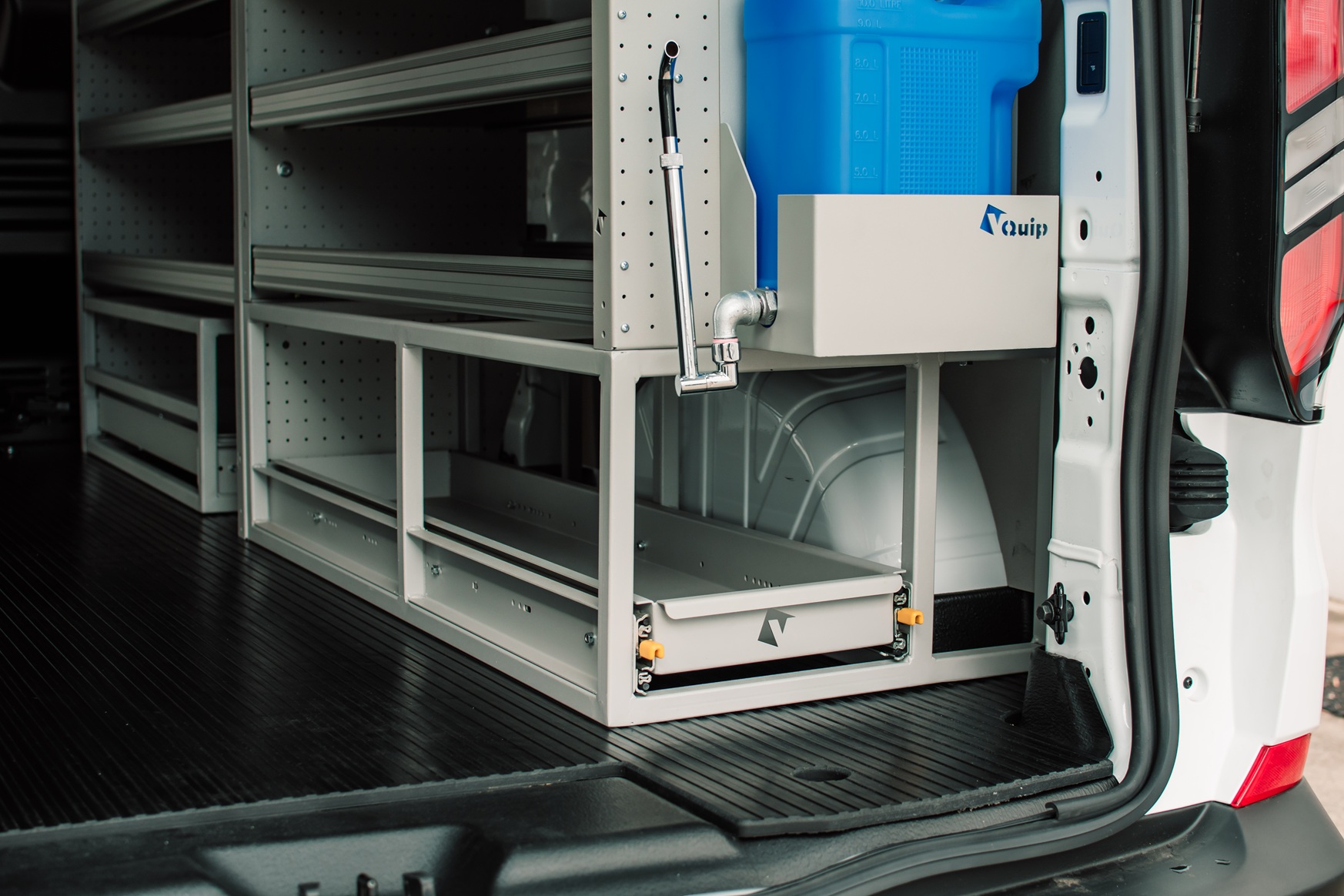
More storage usually means more doors, drawers, and compartments competing for the same physical space. Technicians end up opening multiple sections to reach one item, blocking access paths or working around open drawers.
Instead of supporting workflow, the van becomes congested and inefficient.
Better Storage Is About Priority, Not Volume
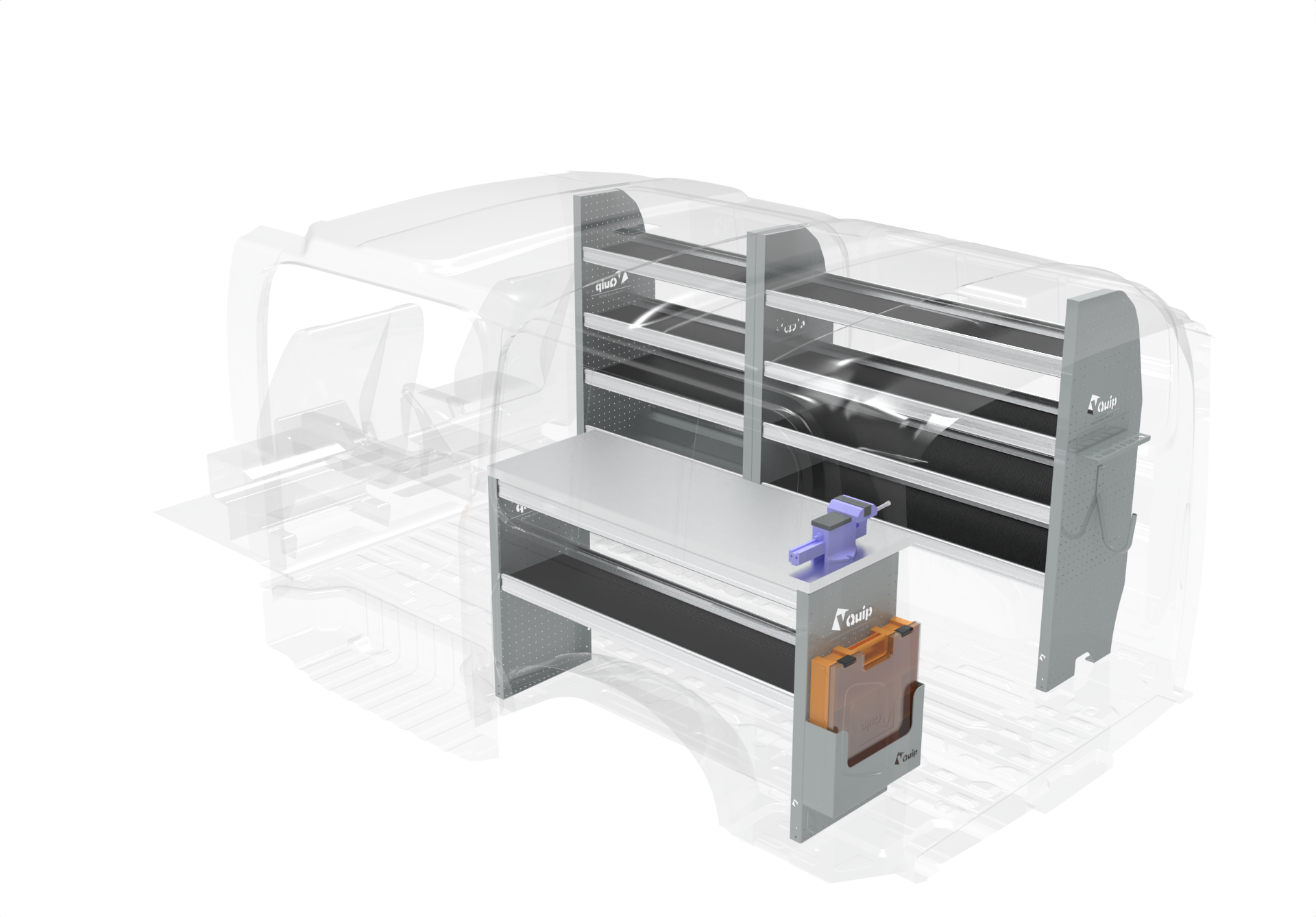
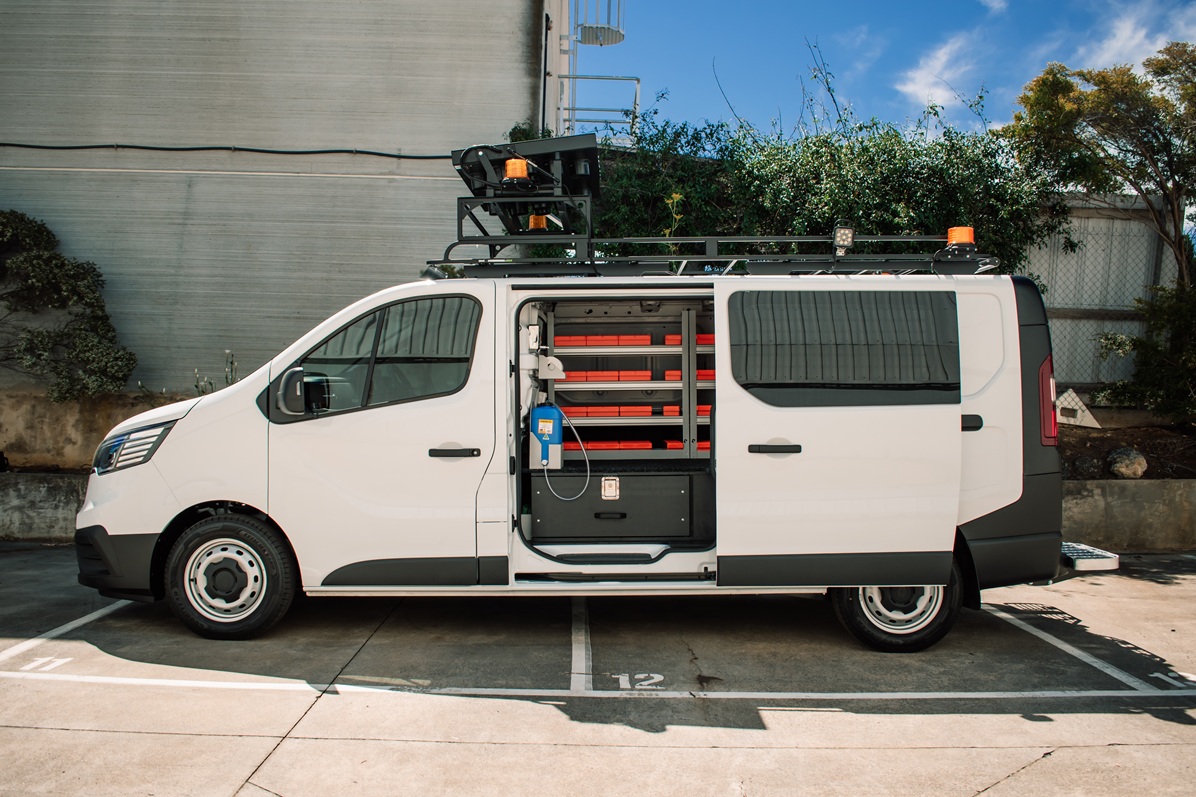
Well-designed storage focuses on what is used most often and places those items within easy, low-reach zones. Less frequently used equipment is stored higher or deeper, or removed from the vehicle entirely if it is not genuinely required.
The most productive vans are not the ones with the most storage. They are the ones designed around real work patterns.
Designing for Productivity
A productive van fitout starts by asking better questions. What tools are used daily? What is accessed at every job? What only comes out once a month?
When storage is designed around actual use rather than maximum capacity, technicians move less, work faster, and finish the day with less fatigue.
Sometimes, less storage is exactly what makes a van work better.