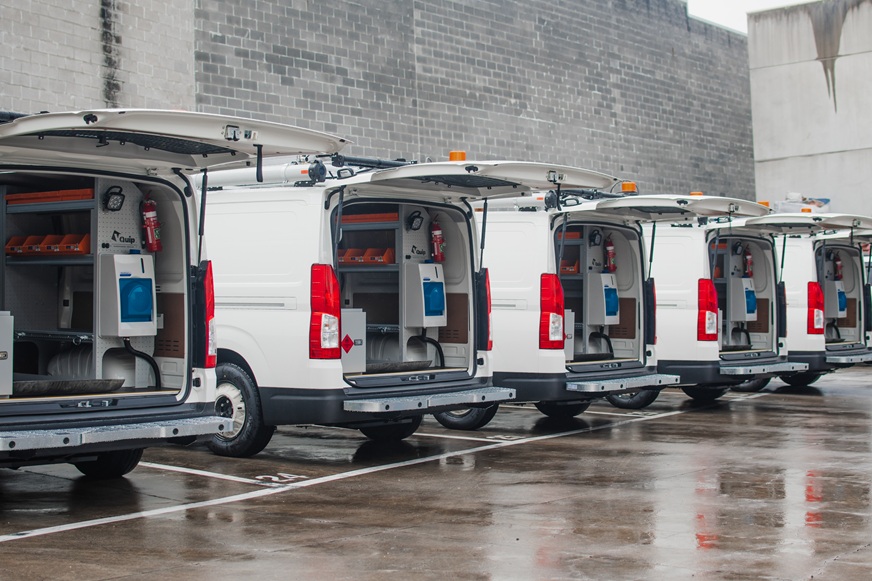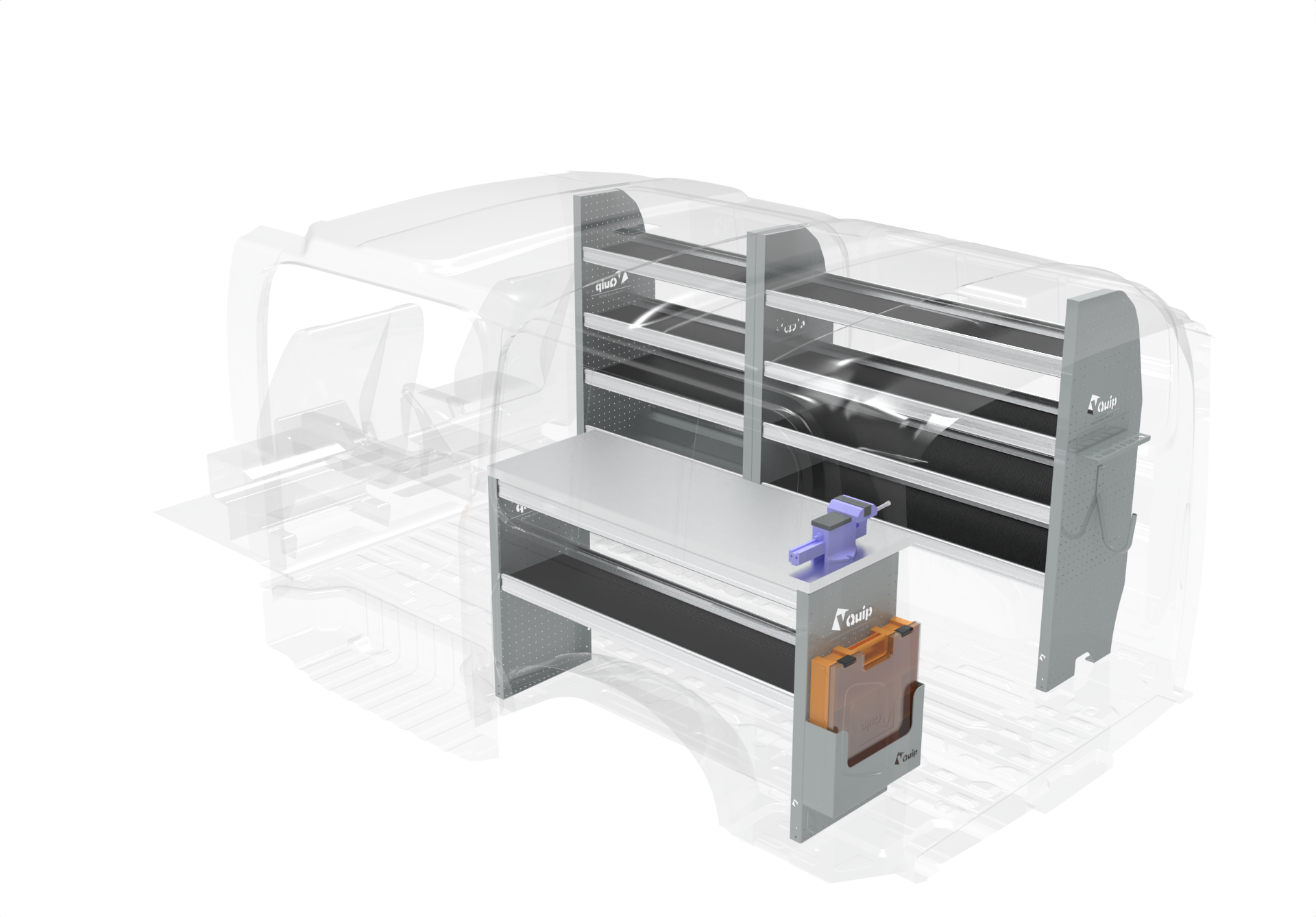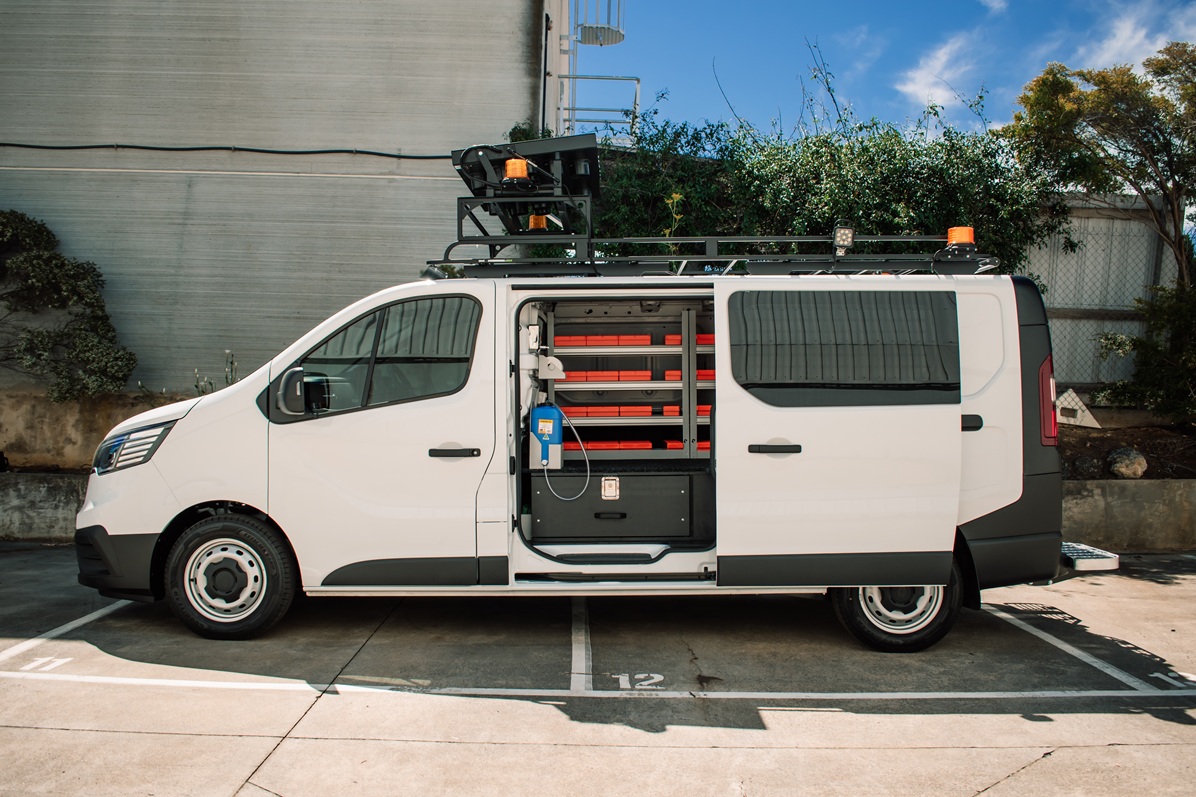
Why a Handwash Station Should Be a Standard Feature in Modern Van Fitouts
Jan 27, 2026
When people think about vehicle fitouts, the focus is usually on storage, payload, power systems, or tool access. Clean-up is often treated as an afterthought.
For many technicians, contractors, and service crews, the ability to wash hands properly during the day is not a nice-to-have. It is a basic operational requirement.
Including a handwash station or water storage tank in a van fitout is one of the simplest inclusions that delivers real benefits for hygiene, safety, compliance, and professionalism. It supports better work practices, protects technicians, and improves how a business is perceived on site.
Here is why clean-up infrastructure deserves a permanent place in modern fleet vehicles.
The Reality of Mobile Work
Many technicians do not have reliable access to clean facilities during the workday.
They may be working on construction sites, in plant rooms, in remote locations, or at customer premises where bathrooms are unavailable or not appropriate to use. Jobs often involve dirt, dust, oils, chemicals, sealants, adhesives, or biological contaminants.
Without a proper handwash solution, technicians are left with poor alternatives.
Wiping hands on rags
Using bottled water sparingly
Waiting until the end of the day to clean up
Handling tools, vehicle controls, food, and paperwork with contaminated hands
Over time, this becomes normalised, even though it introduces unnecessary risk.
Hygiene Is a Safety Issue, Not a Convenience
A handwash station is not just about comfort. It directly impacts health and safety.
Contaminants left on the skin increase the risk of dermatitis, irritation, and infection. Oils, solvents, and fine dust can remain on hands for hours. When technicians eat, drink, or touch their face, those substances transfer easily.
In shared fleet vehicles, poor hygiene also affects the next operator. Steering wheels, door handles, touchscreens, tools, and storage systems quickly become contamination points.
Providing a simple way to wash hands during the day significantly reduces these risks.
Supporting Workplace Health and Safety Obligations
From a fleet and employer perspective, clean-up infrastructure supports duty of care obligations.
While vans are not traditional workplaces, they are still work environments. Employers are expected to take reasonably practicable steps to reduce health risks where work is carried out.
A handwash station helps demonstrate that hygiene, safety, and technician wellbeing have been considered in the fitout design, not left to chance.
This is particularly relevant for fleets operating in:
- Construction and infrastructure
- Utilities and network services
- Mechanical servicing
- Facilities maintenance
- Plumbing, electrical, and trade services
In these environments, access to clean water is often limited, but the need for hygiene is constant.
Professionalism at the Customer Interface
First impressions matter, especially when technicians are working on customer sites.
Arriving in a well-organised vehicle sets the tone. Leaving a site clean and presentable reinforces it.
A handwash station allows technicians to clean up before entering customer spaces, handling documentation, or driving away. It shows respect for the site and the people using it.
For both commercial and residential customers, these small details influence how a business is judged.
Reducing Cross-Contamination Inside the Vehicle
Vehicles often become unintentional storage areas for contamination.
Concrete dust
Grease and oils
Chemical residues
Biological material from drainage or waste work
Without a clean-up point, contaminants are transferred from hands to tools, shelving, seats, dashboards, and storage systems.
A handwash station or water tank allows technicians to stop contamination at the source. Hands are cleaned before re-entering the vehicle, protecting both the fitout and the next job.
This also helps preserve the condition of shelving, drawers, and interior surfaces over the life of the vehicle.
What a Practical Handwash Setup Looks Like
A vehicle handwash solution does not need to be complex.
Common options include:
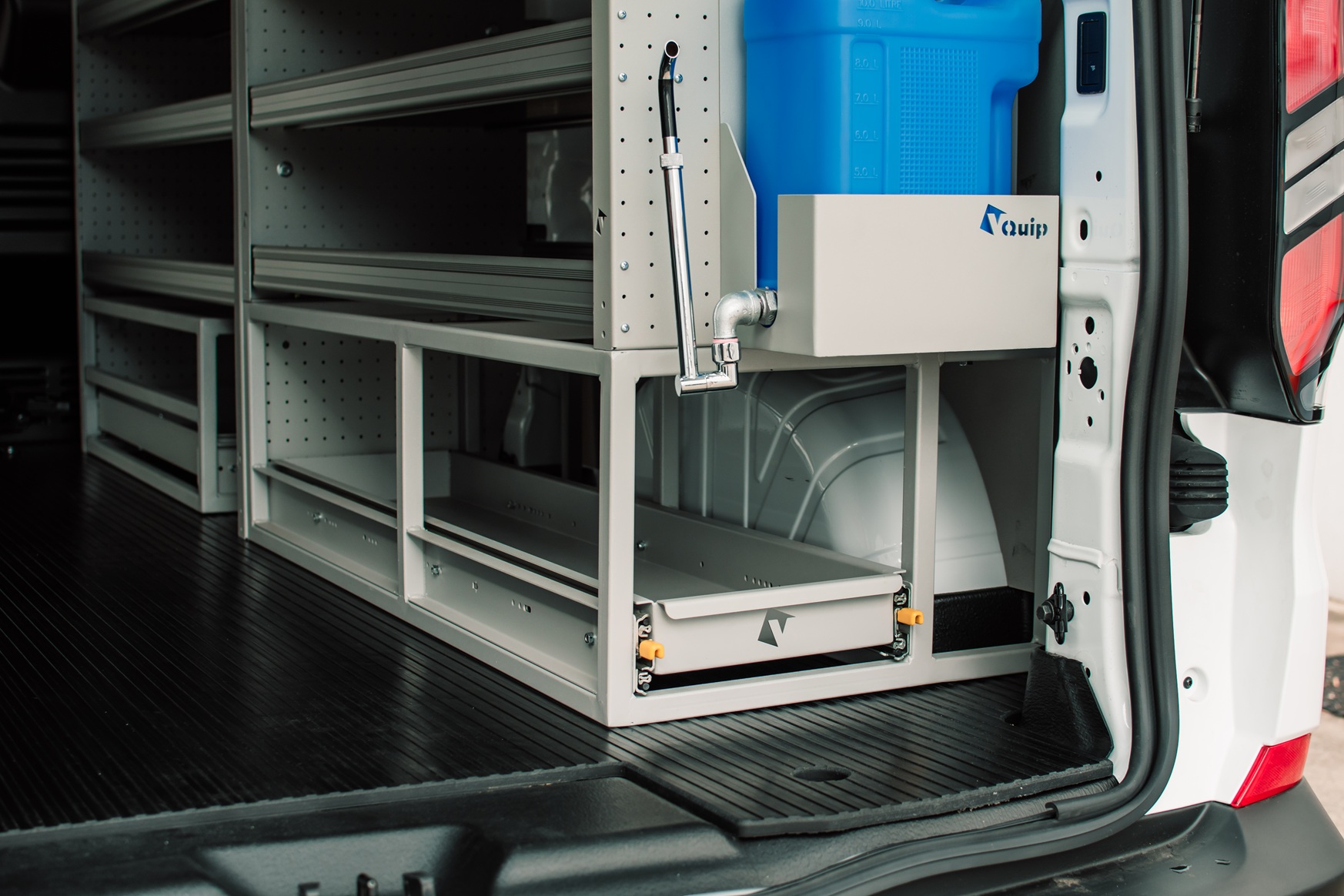
- Fixed or removable water storage tanks
- Gravity-fed or pump-assisted taps
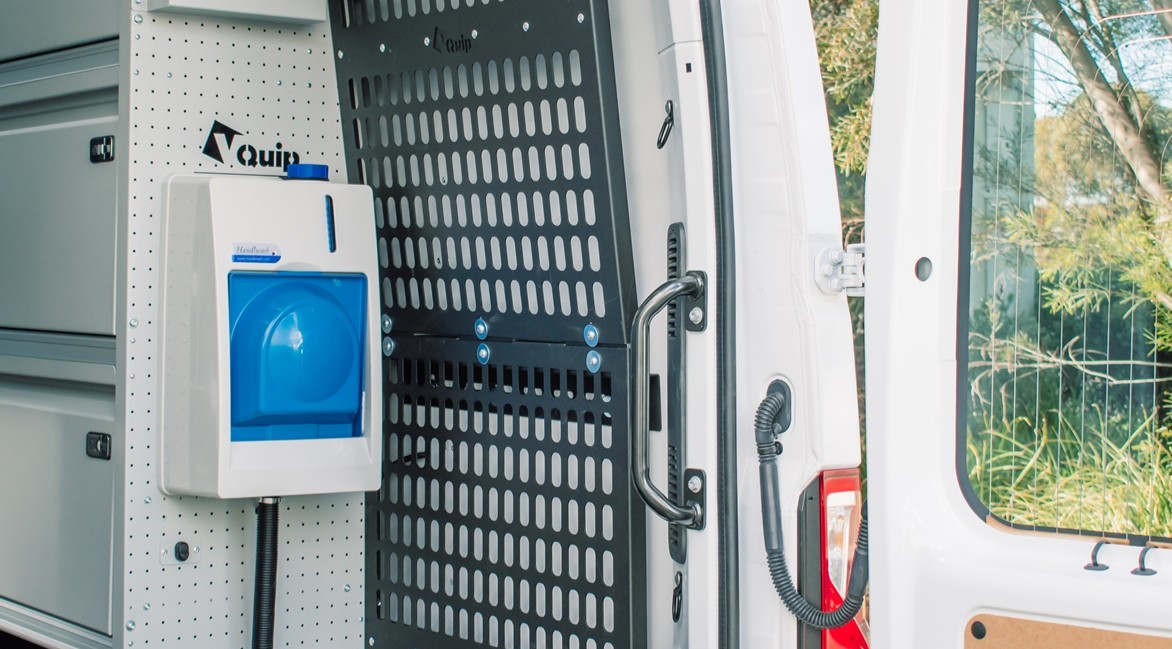
- Compact handwash units with integrated soap dispensers
- Hot and cold systems for specialist applications
- Portable wash units secured in dedicated holders
The most important factors are that the system is easy to use, securely mounted, and accessible without unpacking half the van.
When integrated properly into the fitout, it becomes part of the technician’s natural workflow rather than something that is ignored.
Beyond Handwashing: Supporting Broader Clean-Up Needs
Water storage in a van is not limited to washing hands.
It can also support:
- Cleaning tools and small components
- Rinsing spills or residue
- Supporting dustpan and brush use
- Managing minor clean-ups on site
- Emergency wash-downs when facilities are unavailable
When combined with other clean-up equipment such as spill kits, absorbent materials, and waste storage, water tanks help create a more controlled and responsible work environment.
Improving Technician Comfort and Morale
Small, practical improvements make a noticeable difference to day-to-day work.
Technicians notice when their needs are considered. Being able to wash hands properly during the day improves comfort, reduces frustration, and encourages better work habits.
Over time, these details contribute to improved morale, reduced fatigue, and greater care for both the vehicle and the equipment.
This is especially important for fleets operating long shifts or working in remote areas.
Clean-Up Should Be Designed, Not Improvised
Many fleets rely on improvised solutions.
Loose water bottles
Temporary containers
Unsecured wash units
Ad hoc storage
These approaches often lead to spills, wasted space, and inconsistent use.
Designing clean-up infrastructure into the fitout from the start ensures it is safe, secure, and actually used.
Just like storage systems, electrical layouts, and load restraint, hygiene solutions work best when they are planned as part of the overall vehicle design.
A Small Inclusion with Long-Term Benefits
A handwash station or water storage tank is one of the simplest additions to a van fitout, but its impact is significant.
It supports health and safety
Reduces contamination risk
Improves professionalism
Protects the vehicle interior
Enhances technician wellbeing
For fleets focused on safety, quality, and long-term performance, clean-up should not be optional.
It should be standard.