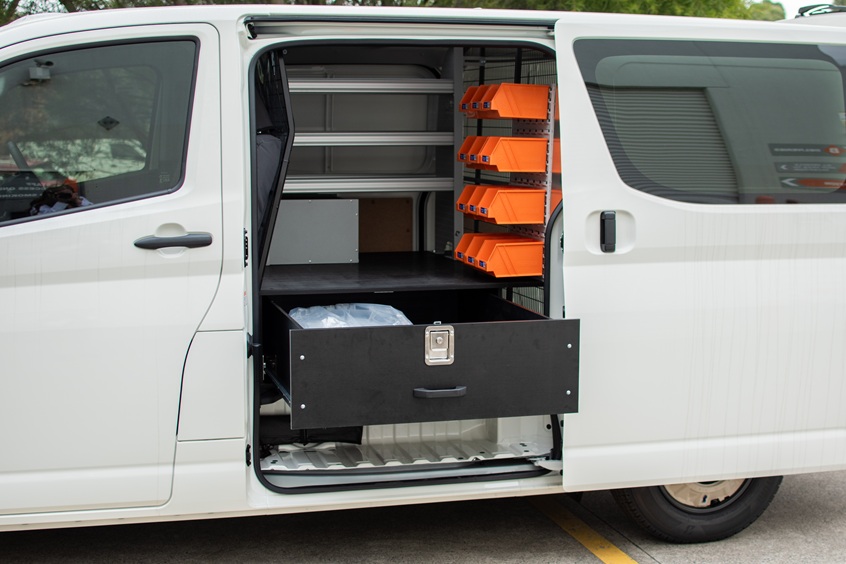

Why Fitout Weight Drift Happens and How Fleets Can Stop It
Jan 3, 2026
Most fleet vehicles leave production compliant, within GVM, and fit for purpose.
A year or two later, many are not.
This gradual shift is known as fitout weight drift. It is one of the most common and least visible risks in fleet operations, particularly for service and maintenance fleets where vehicles evolve over time.
Weight drift rarely comes from a single bad decision. It happens quietly, incrementally, and often with good intentions. Understanding how it occurs is the first step to preventing it.
What Is Fitout Weight Drift?
Fitout weight drift is the gradual increase in vehicle weight over its operational life due to untracked or unmanaged additions.
Unlike initial fitout weight, which is typically engineered and approved, drift occurs after handover. Accessories, tools, consumables, and modifications are added over time, often without reassessing total mass or axle loads.
Individually, these changes seem insignificant. Collectively, they can push vehicles beyond safe or legal limits.
How Weight Drift Commonly Happens
- Incremental Add-Ons That Are Never Reweighed
A common scenario looks like this:
- A van is delivered with compliant shelving and drawers
- Six months later, an inverter is added
- A second battery follows
- Extra drawers are installed
- A heavier tool replaces a lighter one
- A technician adds a personal toolbox
Each addition may weigh only 10 to 30 kilograms. Over time, that becomes 150 kilograms or more.
Because no single change triggered concern, the vehicle is never reweighed.
- Role Creep Over Time
Vehicles often start life assigned to a specific role. As operations change, the role expands.
For example:
- A facilities van begins carrying electrical test gear
- A service vehicle starts storing spare parts for multiple trades
- A response vehicle becomes a mobile workshop
The fitout does not change structurally, but what is carried inside it does. Weight accumulates without design intent.
- Consumables That Are Always Topped Up
Consumables are one of the biggest contributors to hidden weight.
Examples include:
- Boxes of fixings and fasteners
- Cabling and conduit
- Fluids, adhesives, and sealants
- Spare PPE and safety gear
Technicians often keep vehicles fully stocked to avoid downtime. Over time, vehicles carry far more consumables than originally planned.
Because these items move constantly, they are rarely included in formal weight checks.
- Technician Modifications Outside Fleet Control
When vehicles do not fully support how technicians work, they adapt.
This might include:
- Adding timber shelves
- Installing aftermarket toolboxes
- Mounting vices or benches
- Carrying duplicate tools “just in case”
These changes are usually practical responses to real needs. The problem is that they sit outside the fleet’s weight management process.
- Reusing Fitouts Without Reassessment
Reusing fitouts across vehicle replacements is common and often sensible. The risk appears when:
- Fitouts are transferred to a different vehicle variant
- Payload or axle ratings differ
- The original weight data is outdated
A fitout that was compliant in one vehicle may not be compliant in the next.
Why Weight Drift Is a Serious Fleet Risk
Weight drift is not just a compliance issue. It affects multiple areas of fleet performance.
Safety
Overweight vehicles have longer braking distances, reduced stability, and higher rollover risk. Load restraint systems may also be operating beyond their rated capacity.
Mechanical Wear
Suspension, brakes, tyres, and driveline components wear faster when vehicles operate above design weight.
Legal and Insurance Exposure
In the event of an incident, overweight vehicles can invalidate insurance and expose organisations to prosecution.
Inconsistent Fleet Performance
Two vehicles that look identical can handle very differently if one has drifted significantly in weight.
Why Weight Drift Often Goes Unnoticed
There are several reasons fleets miss it:
- Vehicles are weighed only at initial fitout
- Responsibility for weight is unclear
- Changes are spread across departments
- No trigger exists for reweighing
- Data is not centrally recorded
Without clear ownership and process, weight management becomes reactive rather than proactive.
How Fleets Can Stop Fitout Weight Drift
- Establish a Baseline Weight Record
Every fleet vehicle should have a documented baseline that includes:
- Vehicle tare weight
- Fitout weight
- Available payload
- Axle load limits
This record should be easily accessible and treated as a living document.
- Define Weight Ownership
Someone must own vehicle weight at a fleet level.
This role is often best placed with:
- Fleet management, or
- Safety and compliance
Clear ownership ensures changes are assessed consistently rather than ad hoc.
- Introduce Change Triggers
Not every change requires reweighing, but some should.
Common triggers include:
- Electrical system upgrades
- Addition of major equipment
- Role changes
- Fitout reconfiguration
- Vehicle redeployment
When a trigger occurs, weight is reviewed before approval.
- Design Fitouts With Weight Buffers
High-performing fleets rarely design to the maximum allowable payload.
Instead, they:
- Build in a safety margin
- Allocate weight budgets per zone
- Limit future accessory additions
This acknowledges that vehicles evolve over time.
- Standardise Accessories and Components
Standardised components reduce variation and make weight more predictable.
Benefits include:
- Known weights per drawer, shelf, or module
- Easier impact assessment for changes
- Reduced temptation for unapproved add-ons
Standardisation supports control without removing flexibility.
- Educate Technicians on Weight Awareness
Technicians do not need engineering detail, but they do need awareness.
Simple messaging helps:
- Why weight matters
- What changes require approval
- How overloading affects safety and vehicles
When technicians understand the impact, they are more likely to work within the system rather than around it.
- Review Weight at Key Lifecycle Points
Weight checks should be built into fleet processes such as:
- Annual inspections
- Role changes
- Vehicle redeployment
- Fitout refurbishment
This turns weight management into routine maintenance rather than a compliance scramble.
Final Thoughts
Fitout weight drift is rarely caused by negligence. It is the natural result of vehicles being used by real people in real conditions without a system to manage change.
The fleets that control weight best are not the ones with the strictest rules. They are the ones with clear baselines, defined ownership, and processes that evolve with the vehicle.
By treating fitout weight as a managed asset rather than a one-time calculation, fleets can protect safety, compliance, and long-term performance.