
Why Larger Vans Are Not Always the Right Answer
Jan 7, 2026
When fleets review vehicle selection, one assumption appears again and again:
Bigger van = better outcome.
More space, more payload, more flexibility. On paper, it makes sense. But in real-world fleet operations, larger vans are not always the most effective solution. In many cases, they introduce new constraints that quietly erode productivity, compliance, and operator satisfaction.
Choosing the right vehicle is not about maximising size. It is about matching the vehicle, fitout, and operating environment to how the job is actually done.
Here is why “going bigger” is not always the right answer.
1. Bigger Vans Do Not Automatically Deliver Better Payload Outcomes
One of the most common reasons fleets upsise is payload. Larger vans often advertise higher Gross Vehicle Mass (GVM), creating the impression that weight constraints disappear.
In practice, this is not always the case.
Larger vans:
-
Weigh more before fitout
-
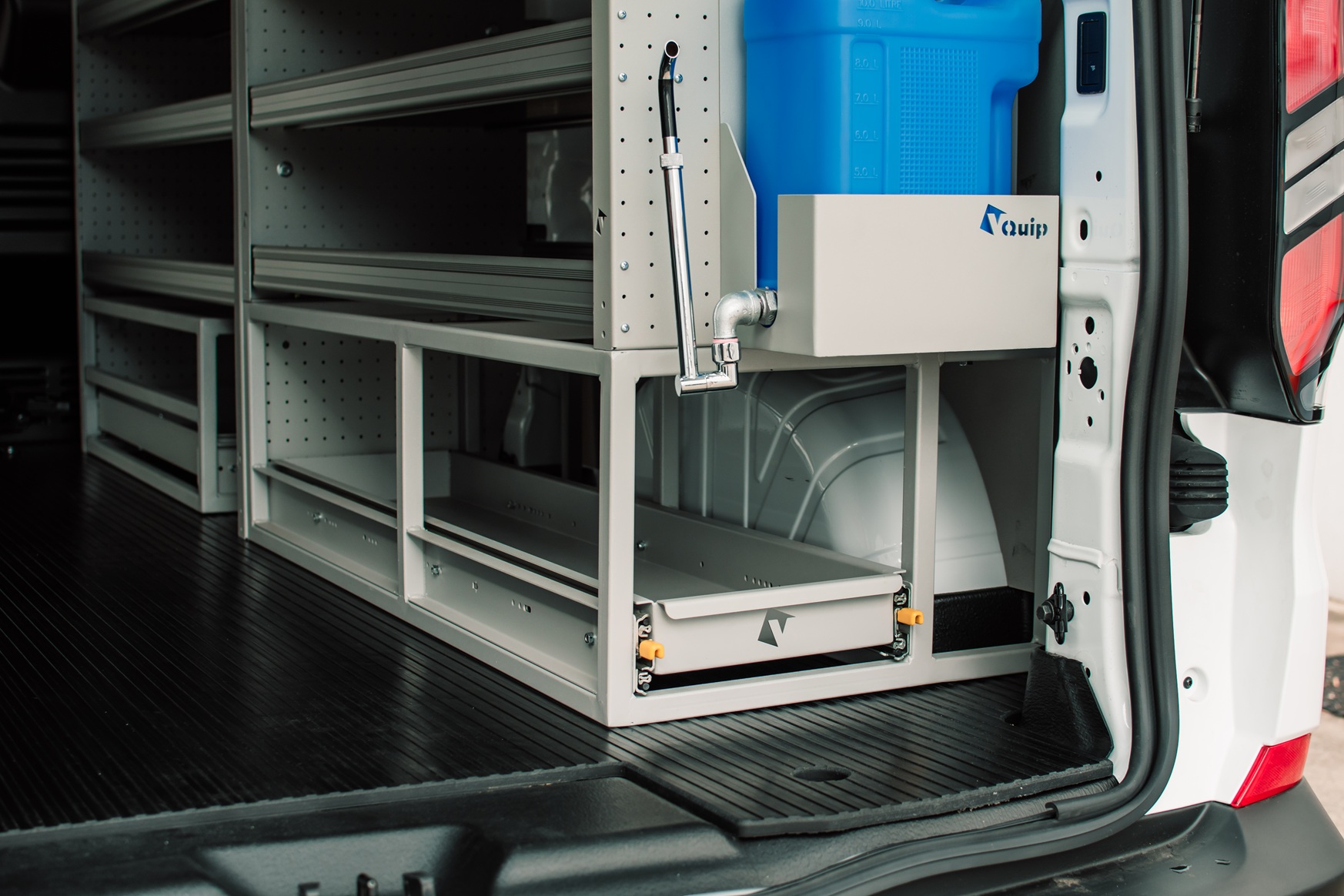
Require larger and heavier shelving, flooring, and restraints
-
Encourage more tools, stock, and “just-in-case” equipment
The result is often a false payload gain. While the GVM may be higher, the usable payload margin after fitout can be surprisingly similar to a well-specified medium van.
More importantly, weight distribution becomes harder to manage. Long rear overhangs and higher axle loads can create compliance risks that are not immediately obvious unless vehicles are properly assessed.
Bigger does not always mean safer or more compliant.
2. Access and Manoeuvrability Matter More Than Cubic Volume
Larger vans can struggle in environments where many service fleets actually operate:
-
Inner-city streets
-
Underground car parks
-
Shopping centres
-
Residential areas with tight access
-
Construction sites with restricted movement
Even when access is technically possible, it often comes at a cost:
-
Longer parking times
-
More walking between vehicle and job
-
Increased stress on drivers
-
Higher risk of minor damage
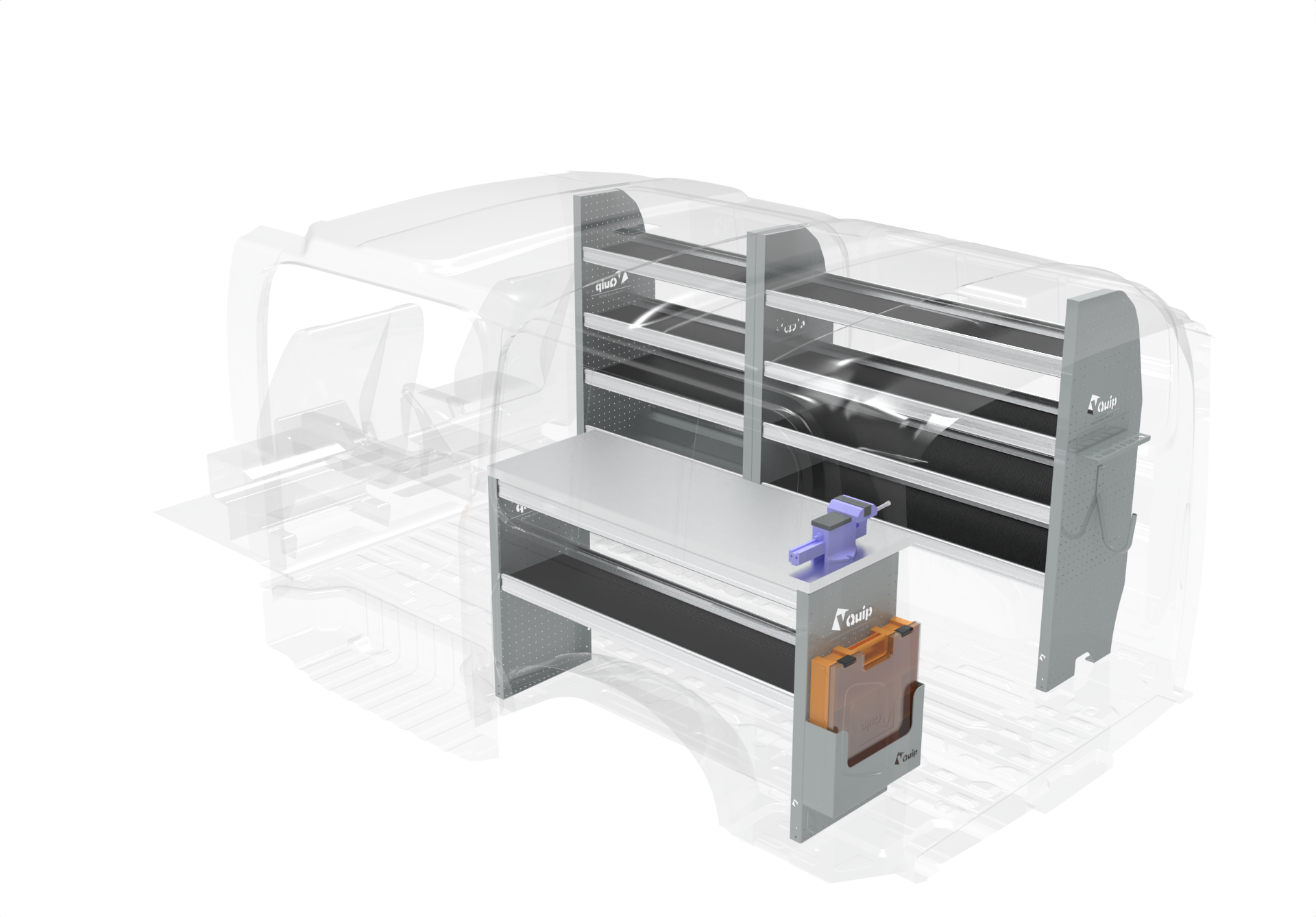
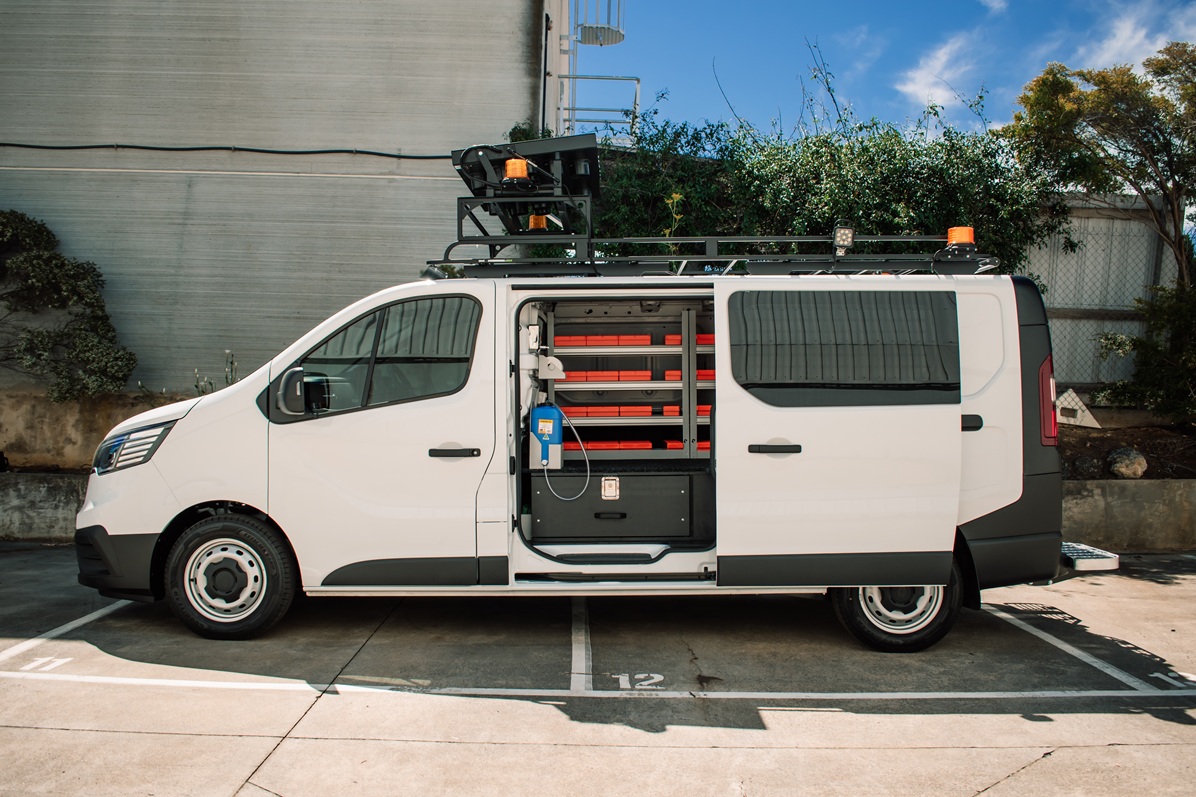
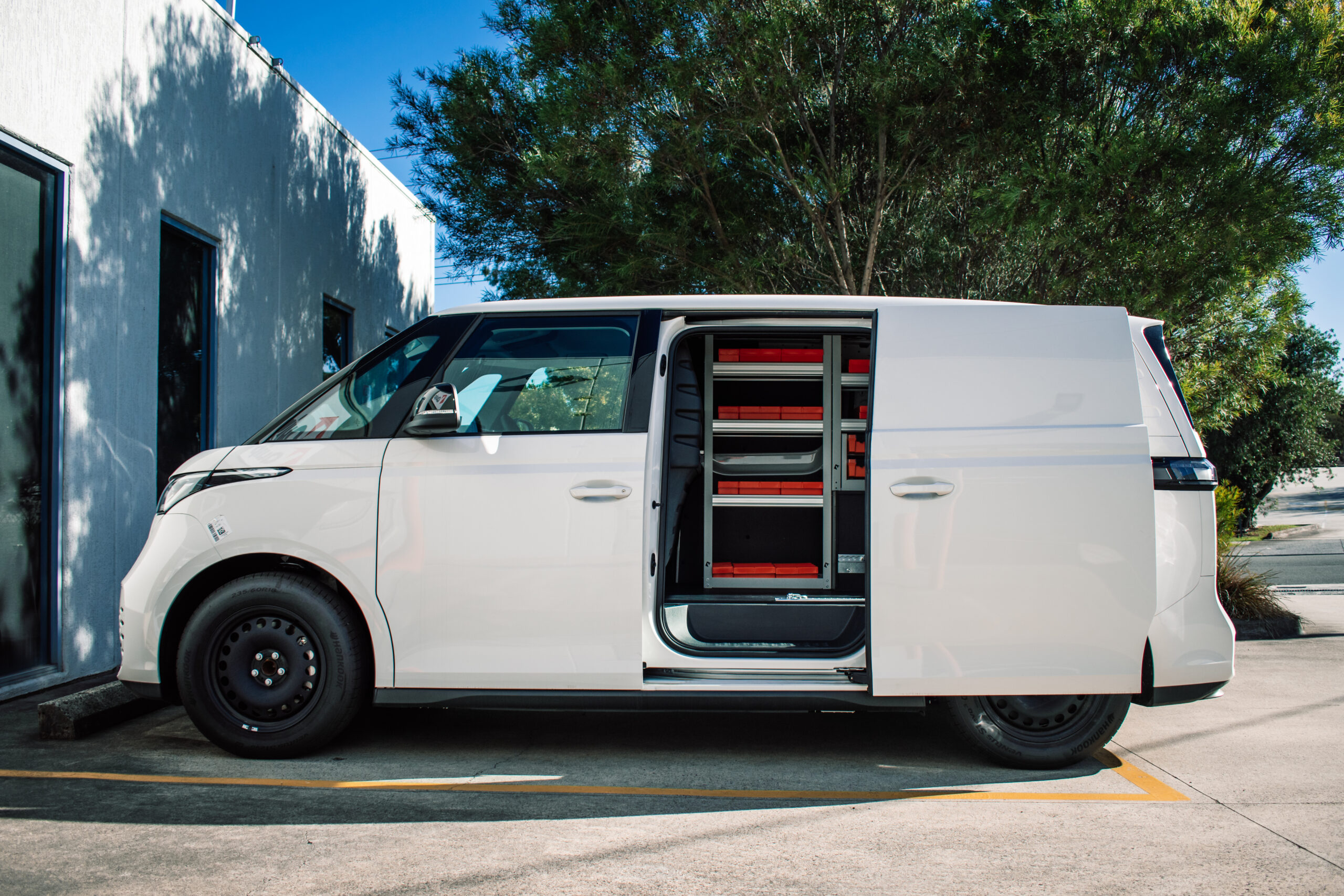
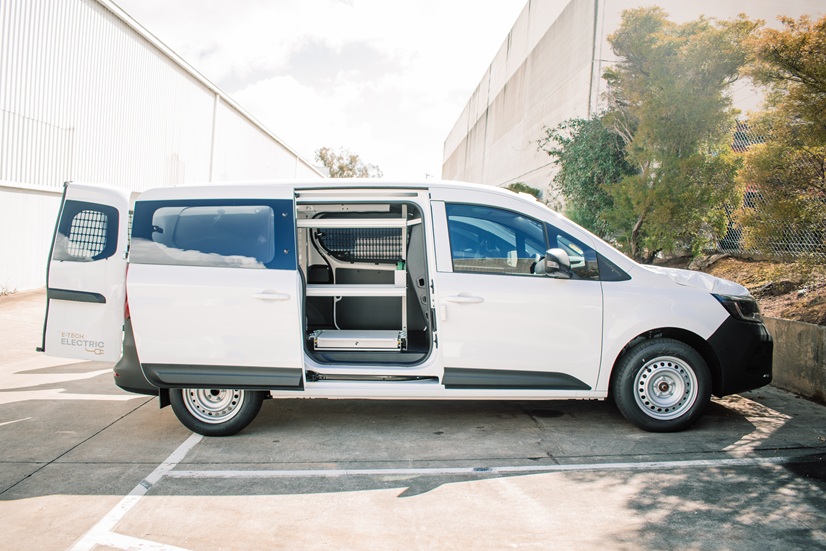
A medium van with good side access, dual sliding doors, or a walk-through layout can often outperform a larger van simply because it can get closer to where work happens.
When technicians spend their day stepping in and out of the vehicle, access efficiency often beats raw storage volume.
3. Larger Vans Can Increase Operator Fatigue
Fatigue is rarely discussed in vehicle selection, but it plays a major role in productivity and safety.
In larger vans:
-
Reach distances increase
-
Floor-to-roof height can require more overhead movement
-
Items are often stored further from access points
-
More walking occurs inside the vehicle
Over hundreds of movements per day, this adds up.
Medium vans with well-designed layouts often allow technicians to:
-
Reach tools faster
-
Work from a single side access point
-
Avoid unnecessary climbing or stretching
-
Maintain consistent working postures
Less movement does not just save time. It reduces physical strain, which directly impacts injury risk and long-term workforce sustainability.
4. Bigger Vans Often Mask Poor Layout Decisions
Extra space can hide inefficiencies.
When a vehicle is large, it becomes easier to:
-
Over-store tools
-
Duplicate equipment
-
Carry unused stock
-
Accept inefficient layouts because “there’s room”
This leads to cluttered vehicles that look spacious but function poorly.
Smaller or medium vans force better design discipline. Every drawer, shelf, and restraint must justify its place. This often results in:
-
Cleaner layouts
-
Better tool control
-
Faster daily workflows
-
Easier standardisation across fleets
In many cases, fleets that downsize vehicles improve efficiency because the layout improves, not because capability is lost.
5. Standardisation Becomes Harder as Vehicles Get Bigger
Large vans introduce more variation:
-
Multiple roof heights
-
Multiple wheelbases
-
Different axle constraints
-
Greater fitout customisation
This makes it harder to:
-
Standardise layouts
-
Control weight and compliance
-
Train technicians consistently
-
Manage spare parts and replacement vehicles
Medium vans often sit in a “sweet spot” where:
-
Variants are limited
-
Layouts can be standardised
-
Fitouts can be replicated reliably
-
Replacement vehicles are easier to source
For fleets focused on control, visibility, and repeatability, this matters far more than maximum volume.
6. Cost Is More Than the Purchase Price
Larger vans usually cost more across their lifecycle:
-
Higher purchase or lease costs
-
Increased fuel consumption
-
Higher tyre and brake wear
-
More expensive fitouts
-
Greater repair costs from minor damage
These costs rarely show up in isolation. They compound quietly across the fleet.
When medium vans can meet operational needs, they often deliver better total cost of ownership without compromising capability.
7. The Best Vehicle Is the One That Matches the Workflow
The most successful fleets start with questions like:
-
How many times per day does the technician enter the vehicle?
-
From which door?
-
What tools are used most frequently?
-
How far does the technician walk between vehicle and job?
-
What access constraints exist in the real world?
When these questions drive vehicle selection, the answer is often not “the biggest option available”.
It is the vehicle that allows:
-
The shortest reach
-
The least wasted movement
-
The safest weight distribution
-
The most consistent experience across the fleet
Choosing Smarter, Not Bigger
Larger vans absolutely have their place. Certain trades, payload requirements, or mobile workshops genuinely need the space.
But for many service and maintenance fleets, upsizing becomes a default rather than a decision. And defaults are rarely optimal.
The smarter approach is to:
-
Define the work first
-
Design the layout second
-
Select the vehicle last
When that happens, fleets often discover they do not need more van.
They need a better suited one.