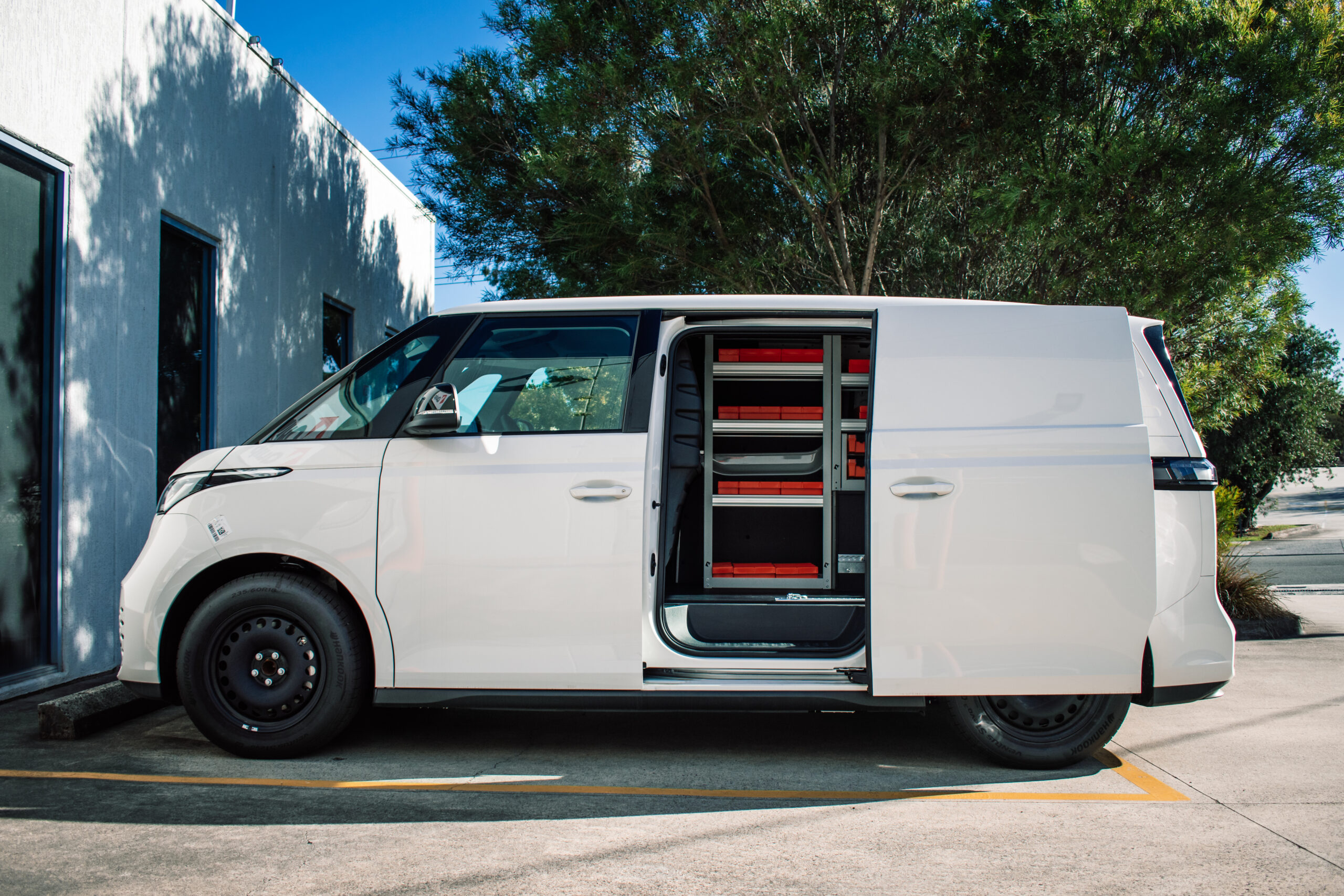
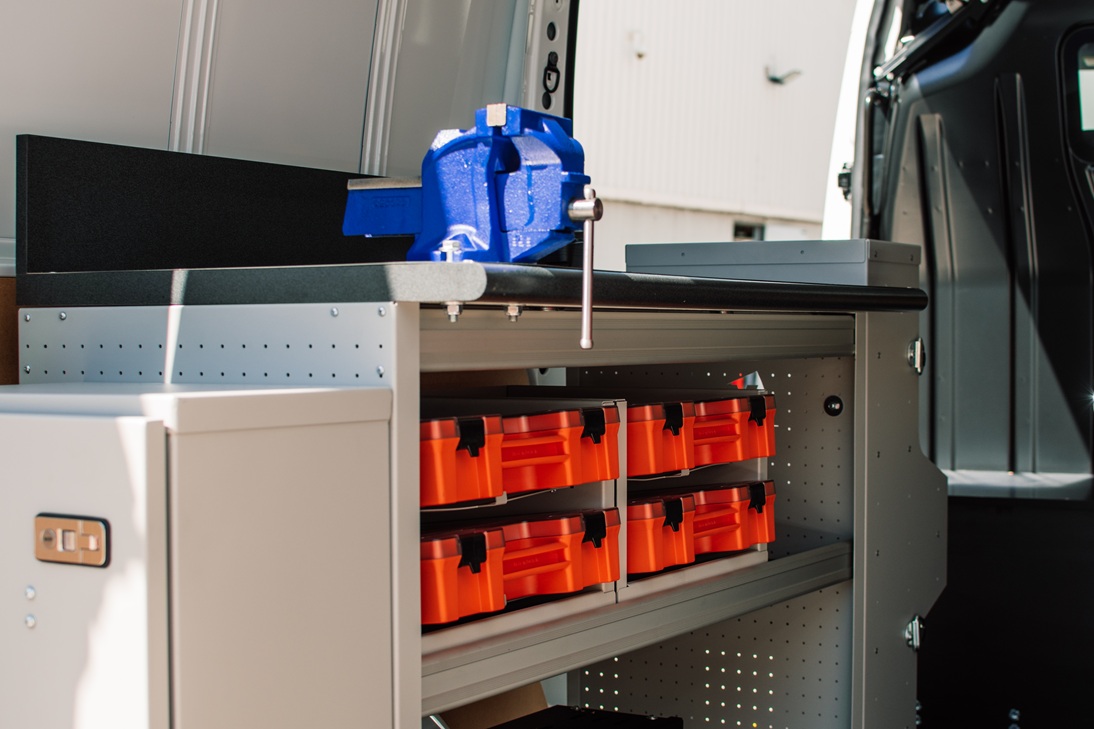
Why Technician Input Should Happen Before You Lock In a Fleet Spec
Feb 18, 2026
When organisations roll out 20, 50 or 200+ vehicles, the pressure to standardise is strong.
- Procurement wants consistency.
- Operations want speed.
- Finance wants predictability.
So the fleet specification gets locked in — vehicle model, shelving layout, accessories, electrical setup — and the rollout begins.
But there’s one critical question that often gets asked too late:
Have the technicians who will actually use these vehicles had input into the design?
In our experience at VQuip, the difference between a “compliant” fitout and a genuinely productive one often comes down to early technician involvement.
The Risk of Designing from the Office
Fleet specifications are commonly developed by:
- Fleet managers
- Procurement teams
- External consultants
- Senior operations leaders
All important stakeholders. But none of them spend eight hours a day inside the vehicle.
When technician input is missing, the result is usually not catastrophic — it’s just subtly inefficient.
That inefficiency compounds every single day.
Common examples include:
- Frequently used tools stored too high or too low
- Drawers that are too deep, causing searching and wasted time
- Insufficient space for consumables that are replenished daily
- Power outlets positioned in inconvenient locations
- Ladder storage that slows down deployment
None of these issues appear major in isolation. But across hundreds of jobs per week, they materially affect productivity.
What Technicians See That Management Often Doesn’t
Technicians operate in the real world:
- Tight access sites
- Poor weather
- Uneven ground
- Time pressure
- Fatigue
They know:
- What they reach for first
- What slows them down
- What causes frustration
- What creates safety risks
For example, the “first five minutes” of a job often determines how smoothly it will go. If critical tools aren’t immediately accessible, time is lost before work even begins.
Technicians understand workflow sequencing in a way that can’t be captured in a spreadsheet.
Safety and WHS Considerations
Technician input isn’t just about convenience — it’s about risk.
Improper layout decisions can lead to:
- Repetitive bending or climbing
- Poor weight distribution
- Overloaded drawers
- Improvised storage solutions
- Loose items that compromise load restraint
Even a crash-tested shelving system still needs to be used correctly. If technicians don’t feel the layout works for them, they may adapt it in ways that introduce risk.
Early engagement helps ensure:
- Ergonomic positioning
- Logical weight placement
- Proper restraint practices
- Compliance with relevant Australian standards
A fleet spec should reduce risk, not create workarounds.
Preventing “Spec Drift” Later
When technicians are excluded from the early design phase, feedback inevitably surfaces after rollout begins.
That’s when you start to see:
- One-off modification requests
- Aftermarket additions
- Field retrofits
- Inconsistent layouts across vehicles
This creates what many fleets experience as “spec drift” — gradual variation away from the approved master specification.
Spec drift leads to:
- Inventory complexity
- Training inconsistencies
- Higher maintenance costs
- Reduced resale value
- Administrative headaches
Capturing technician insight early significantly reduces this downstream variation.
What Meaningful Technician Input Actually Looks Like
Technician consultation doesn’t need to be complex.
Effective methods include:
- Ride-Alongs
Spend a day in the field observing real jobs.
Watch how tools are accessed and returned.
Notice where time is lost.
- Structured Workshops
Bring a small group of experienced technicians into a facilitated session.
Ask practical questions:
- What slows you down most?
- What do you access every job?
- What never gets used?
- What safety issues have you encountered?
- Prototype Testing
Build a pilot vehicle.
Deploy it to a small group.
Gather structured feedback before locking in the full rollout.
This approach is particularly valuable in national fleet programs.