How the Right Van Fitout Can Improve Productivity for Solar Installation Fleets
May 18, 2026
As demand for solar energy continues to grow across Australia, solar installation companies are under increasing pressure to complete jobs efficiently, safely, and professionally. Whether it’s residential rooftop installs, commercial systems, battery storage, or maintenance work, technicians rely heavily on their vehicles to keep projects moving.
For solar installers, a van is more than just transport — it’s a mobile workshop, storage solution, and operational hub all in one.
A well-designed van fitout can dramatically improve efficiency, reduce downtime, and help technicians stay organised on-site. Here’s what solar installation companies should consider when designing a service vehicle fitout.
Efficient Parts Organisation for Faster Installations
Solar installation work involves a large range of tools, components, fixings, and electrical accessories. Without proper organisation, technicians can waste valuable time searching for equipment or making unnecessary trips back to the warehouse.
A purpose-built van fitout helps keep everything organised and accessible, including:
- Electrical consumables
- Connectors and fittings
- MC4 components
- Mounting hardware
- Cable management accessories
- Test equipment
- Hand tools and power tools
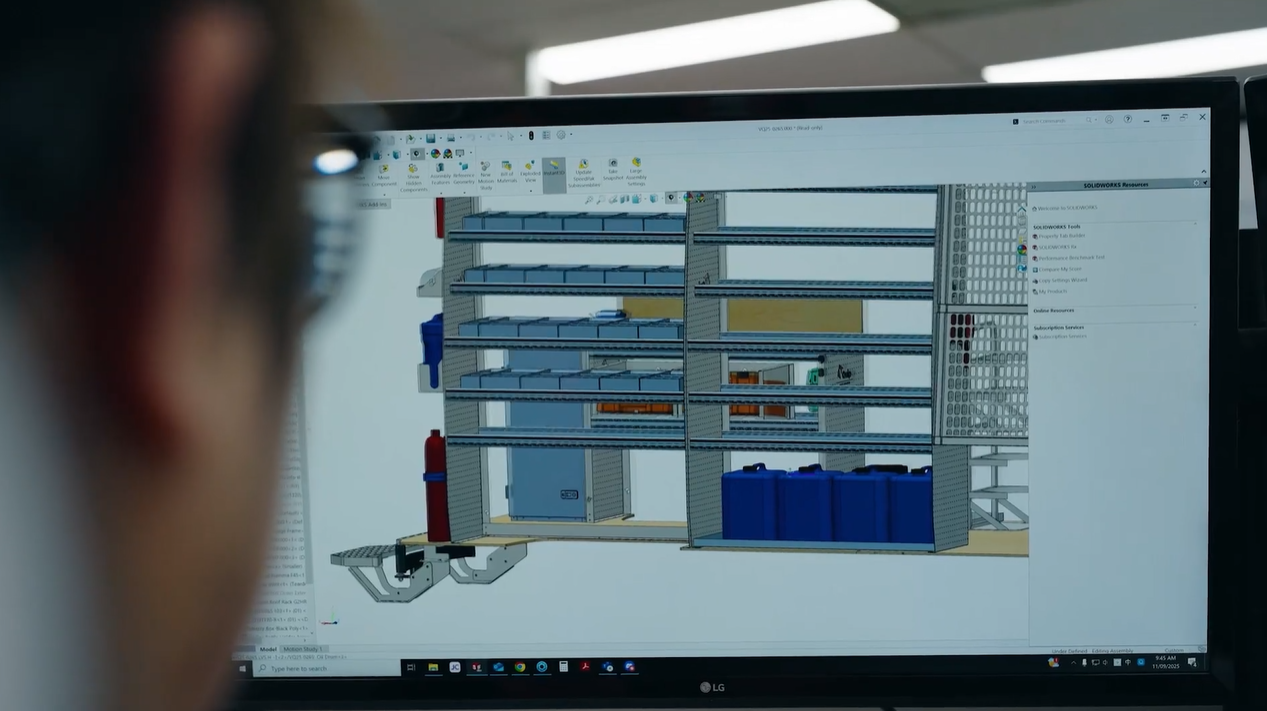
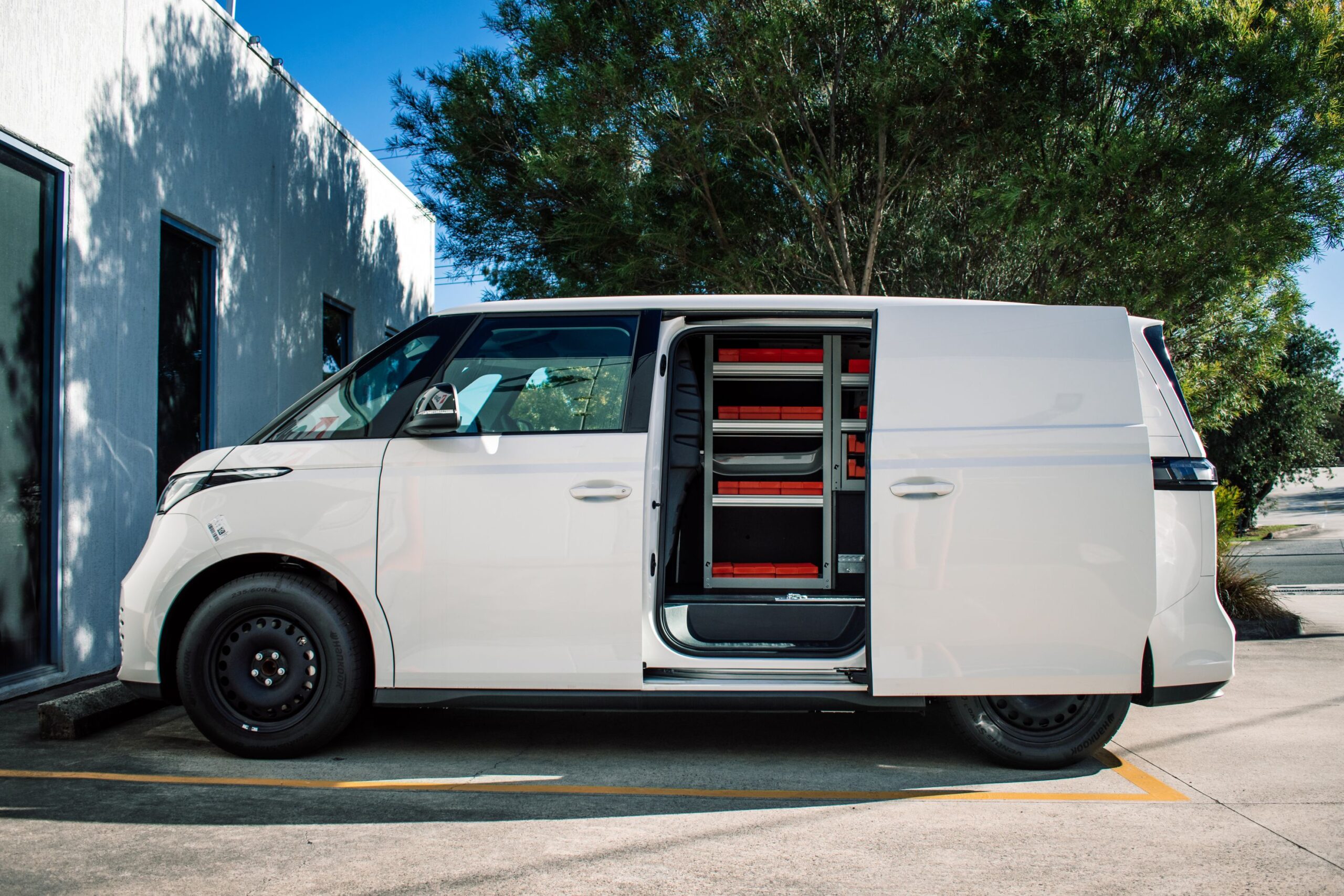
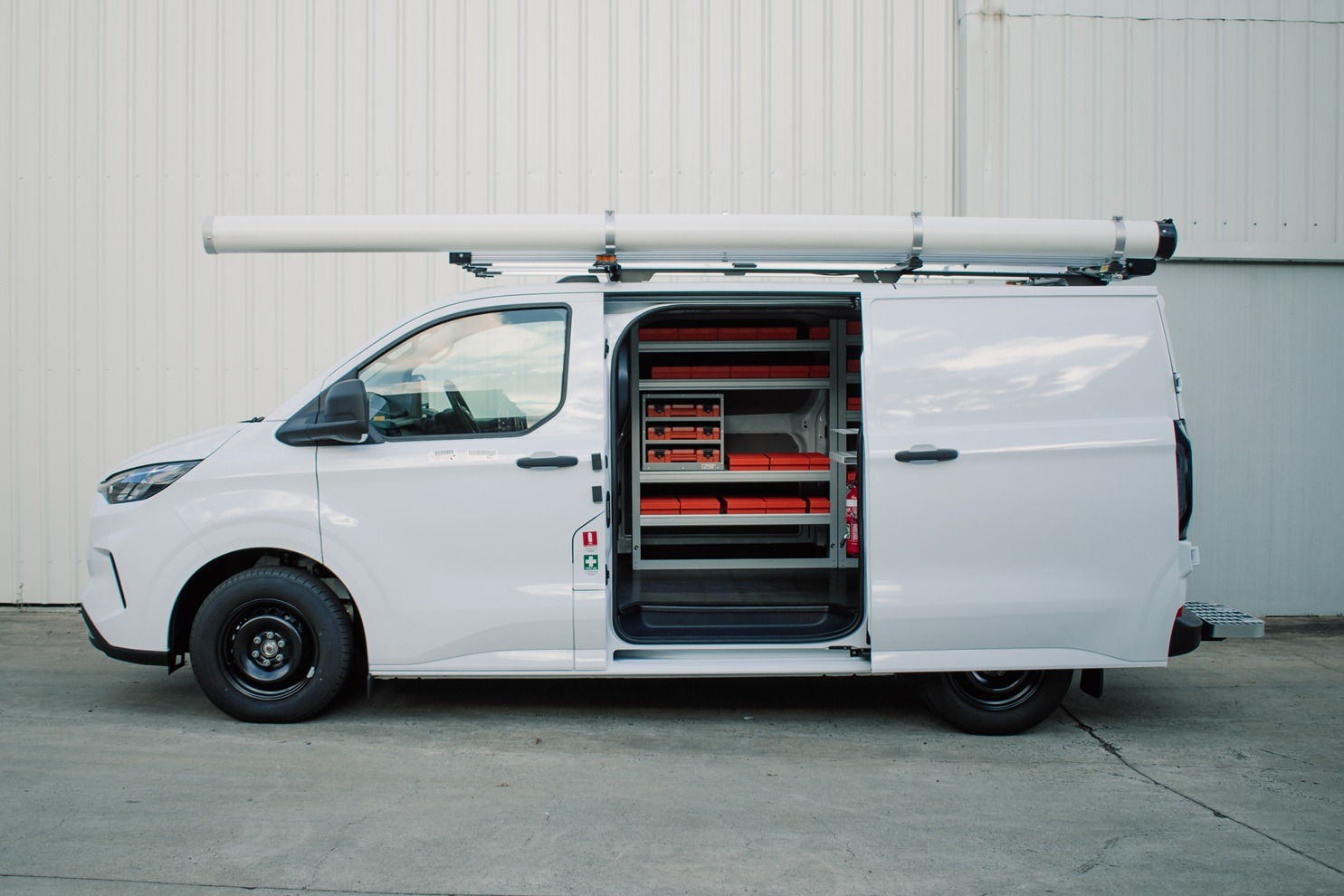
VQuip’s shelving systems can be configured with multiple shelf levels, parts bins, and carry case storage systems to help technicians quickly locate what they need on-site.
This level of organisation helps improve first-time fix efficiency and reduces installation delays.
Safe Storage for Expensive Equipment
Solar installers often carry expensive testing equipment, specialised tools, batteries, and power tools. Keeping these items secure is critical.
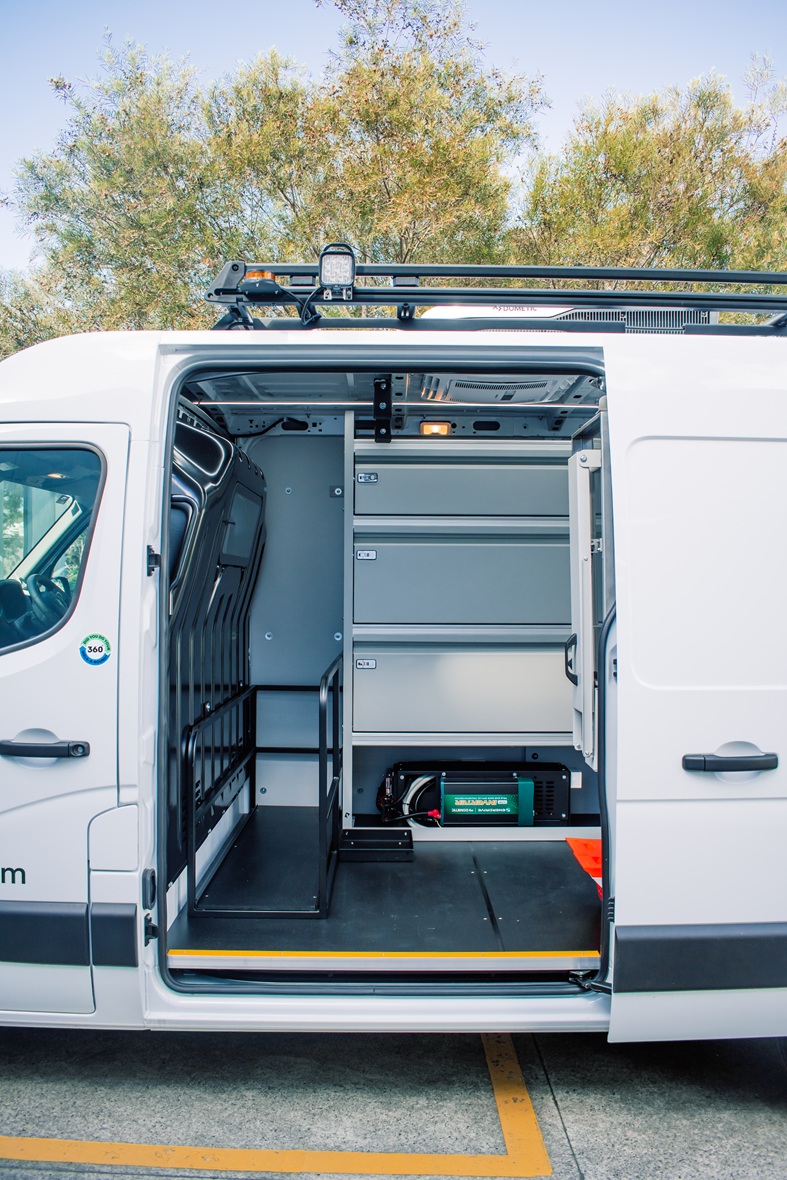
Lockable shelving systems, enclosed storage compartments, and hardwood ply drawer systems provide secure storage while protecting equipment from damage during transit, and are also ideal for:
- Electrical testing gear
- Battery commissioning tools
- PPE equipment
- Specialist installation kits
By giving every item a designated location, technicians can maintain a cleaner and more professional workspace inside the vehicle.
Roof Storage for Solar Installation Equipment
One of the biggest requirements for solar installation fleets is external roof storage.
Solar technicians frequently need to transport:
- Extension ladders
- Conduit
- Cable trays
- Mounting rails
- Long materials and pipework
Heavy-duty roof rack systems allow installers to safely transport bulky equipment while preserving valuable cargo space inside the van.
Rear rollers, ladder loading assists, and secure tie-down systems can also improve safety and reduce manual handling strain when loading equipment.
Dedicated Cable and Conduit Storage
Loose conduit, cable coils, and mounting rails can quickly create clutter inside a vehicle if not properly managed.
Purpose-designed fitouts can include:
- Cable trays integrated into shelving
- Conduit tubes
This helps prevent damage to materials while improving accessibility during installations.
Mobile Workspaces for On-Site Preparation
Solar installers often need space for:
- Preparing cable runs
- Assembling components
- Configuring inverters
- Completing commissioning paperwork
Fold-down workbenches and slide-out vice mounts can provide a practical mobile workspace directly from the rear or side of the vehicle.
This allows technicians to complete small assembly tasks and preparation work efficiently without needing additional tables or equipment on-site.
Electrical Systems to Support Field Work
Many solar installation vehicles also benefit from integrated electrical systems to support field operations.
Depending on requirements, fitouts can include:
- Auxiliary battery systems
- Inverters
- 240V charging capability
- LED work lighting
- External power outlets
These systems can help technicians charge batteries, operate tools, and work safely in low-light conditions.
Improving Safety and Compliance
Solar installation work often involves heavy equipment and large quantities of components. A poorly organised van can quickly become a safety risk.
A professionally designed fitout helps:
- Secure equipment during transport
- Reduce trip hazards
- Improve weight distribution
- Minimise manual handling risks
- Protect technicians and vehicle occupants
It’s also important to consider vehicle payload and GVM requirements when designing a fitout, particularly for fleets carrying ladders, batteries, tools, and mounting systems.
Creating a More Professional Fleet
For many solar companies, technicians spend most of their day at customer homes or commercial sites. A clean, organised vehicle creates a strong impression and reinforces professionalism.
Standardised fitouts across a fleet also help:
- Improve technician familiarity
- Streamline training
- Simplify stock management
- Maintain consistency across teams
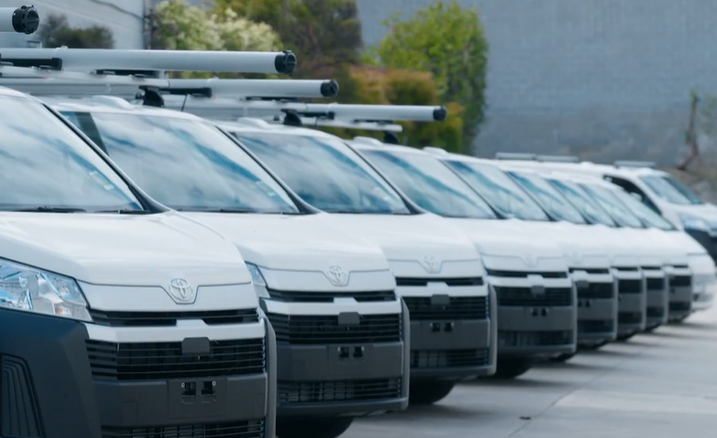
For growing solar businesses, consistency becomes increasingly important as fleets expand nationally.
Designed for Real-World Solar Operations
At VQuip, we work with businesses across Australia to design practical vehicle fitouts tailored to real-world fleet operations.
Our van fitouts can include:
- Crash-tested shelving systems
- Hardwood ply drawer systems
- Carry case storage solutions
- Roof rack systems
- Ladder storage
- Cable trays and conduit storage
- Electrical integration
- Mobile workbenches
- Custom fleet solutions
Whether you’re fitting out a single installation van or rolling out a national solar fleet, the right vehicle setup can help improve productivity, organisation, and safety across your operation.