The Future of Fleet Fitouts: Standardised, Configurable, or Fully Custom?
Apr 13, 2026
At first glance, vehicle fitouts might seem like a straightforward choice. Either build something fully custom to suit the job, or standardise everything for consistency.
In reality, fleet fitouts are entering a new phase. As fleets grow, timelines tighten, and operational pressure increases, the decision is no longer binary. The future sits somewhere in between.
Fleet managers are now weighing up three distinct approaches: fully custom, fully standardised, and a newer hybrid model built around configurable systems.
1. Fully Custom Fitouts: Maximum Flexibility, Maximum Complexity
Custom fitouts have traditionally been the go-to approach for specialised fleets.
They allow each vehicle to be designed around a specific technician, task, or piece of equipment. In theory, this delivers the best possible outcome for that individual user.
However, at a fleet level, this approach introduces significant challenges.
Every variation requires new drawings, new approvals, and often new parts. Procurement becomes more complex. Installation takes longer. Supporting the fleet over time becomes harder, especially when replacement parts or repairs are needed.
For small numbers of vehicles, this can work well. But as fleets scale, the inefficiencies become more visible.
2. Fully Standardised Fitouts: Consistency at Scale
Standardisation solves many of these problems.
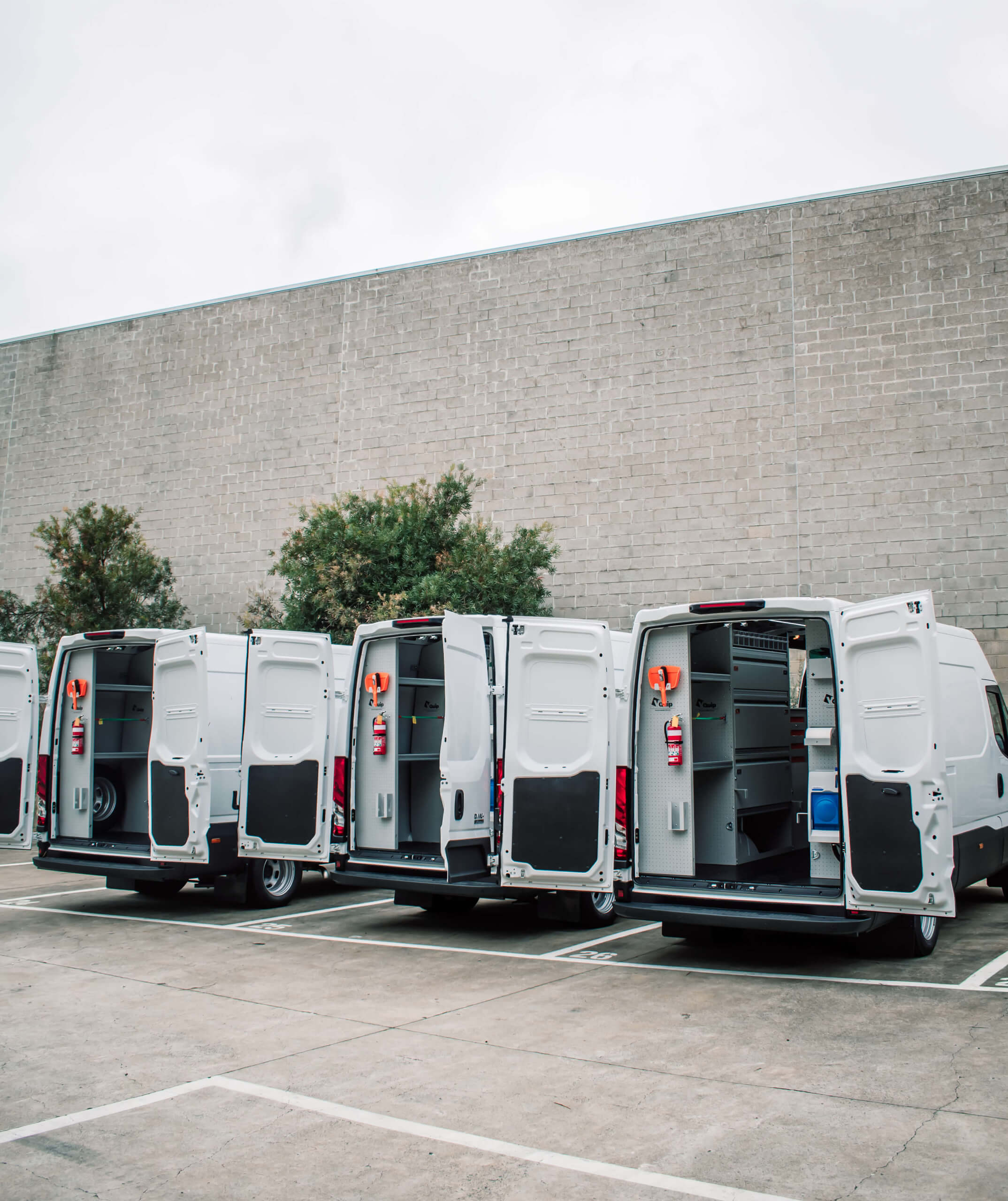
By rolling out identical fitouts across a fleet, organisations can achieve:
- Consistent layouts across all vehicles
- Faster production and installation
- Easier technician onboarding
- Simplified maintenance and parts replacement
For large national fleets, this model brings a level of control that is difficult to achieve with custom builds.
But there is a trade-off.
A fully standardised fitout assumes that all technicians perform their roles in exactly the same way. In reality, this is rarely the case. Even within the same business, there are differences in workflows, equipment needs, and service types.
Over-standardisation can lead to inefficiencies at the user level, where the fitout doesn’t quite match the job.
3. Configurable Fitouts: The Emerging Middle Ground
This is where the industry is shifting.
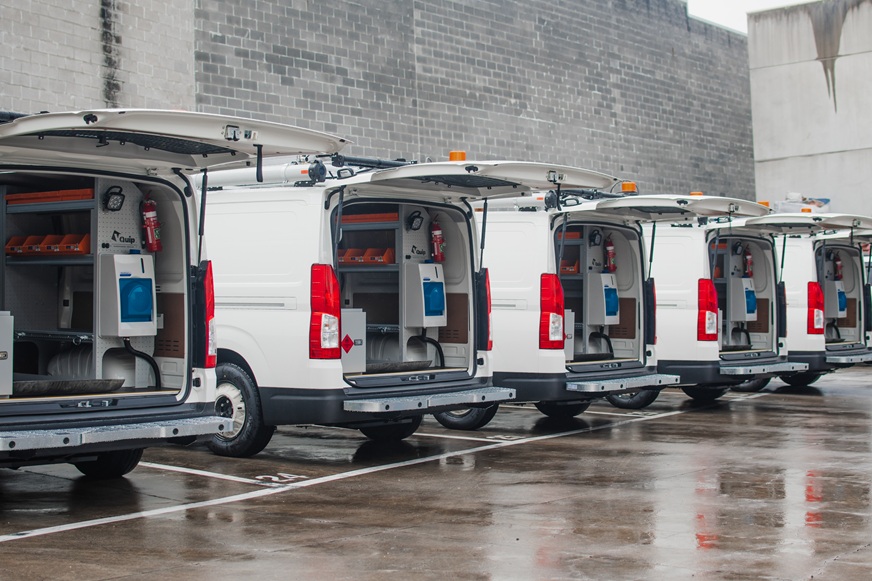
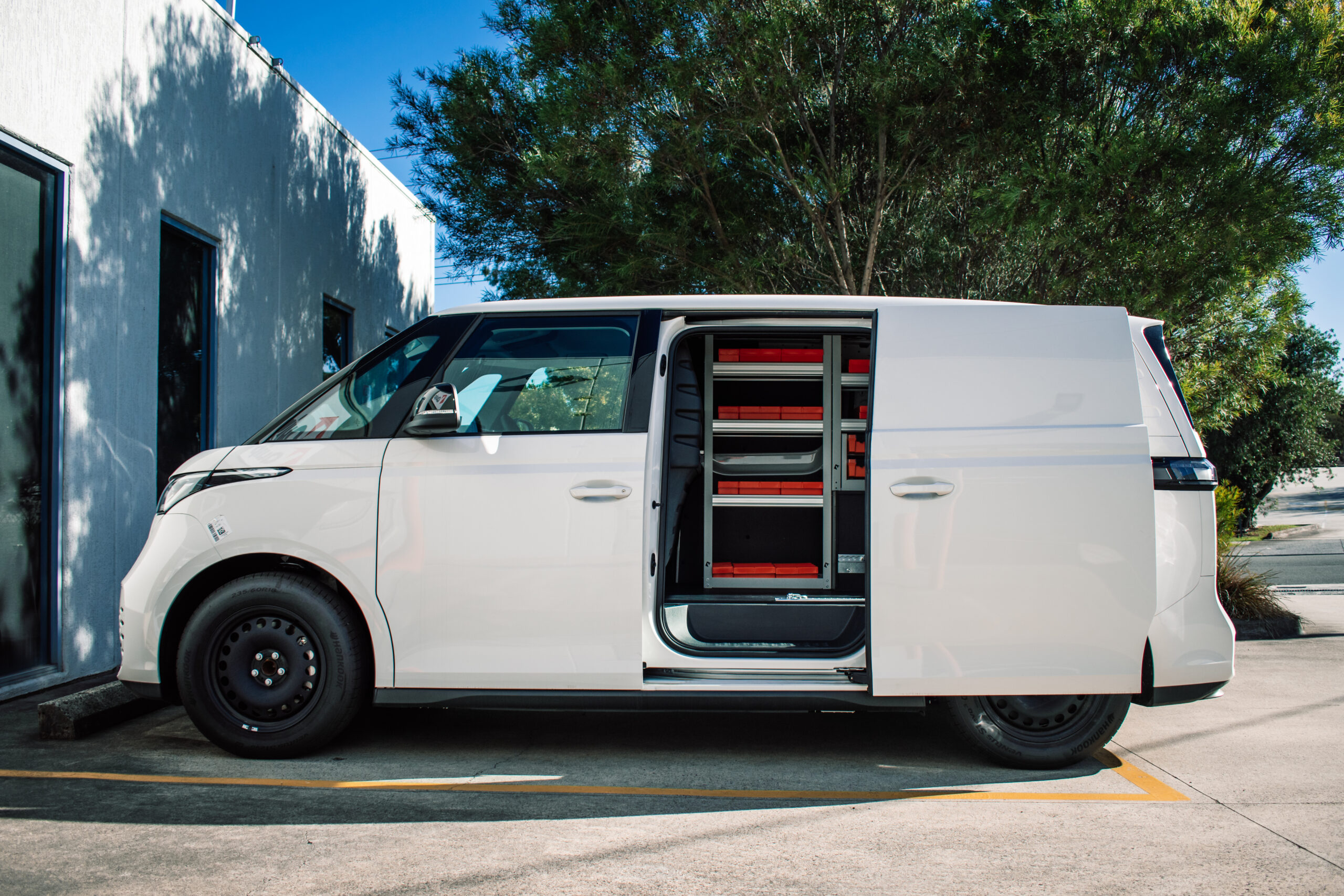
Configurable fitouts combine the consistency of standardisation with the flexibility of custom design. Instead of designing every vehicle from scratch, fleets work from a structured base layout that can be adjusted using predefined options.
Think of it as building blocks rather than one-off designs.
A configurable approach might include:
- Core shelving systems that remain consistent
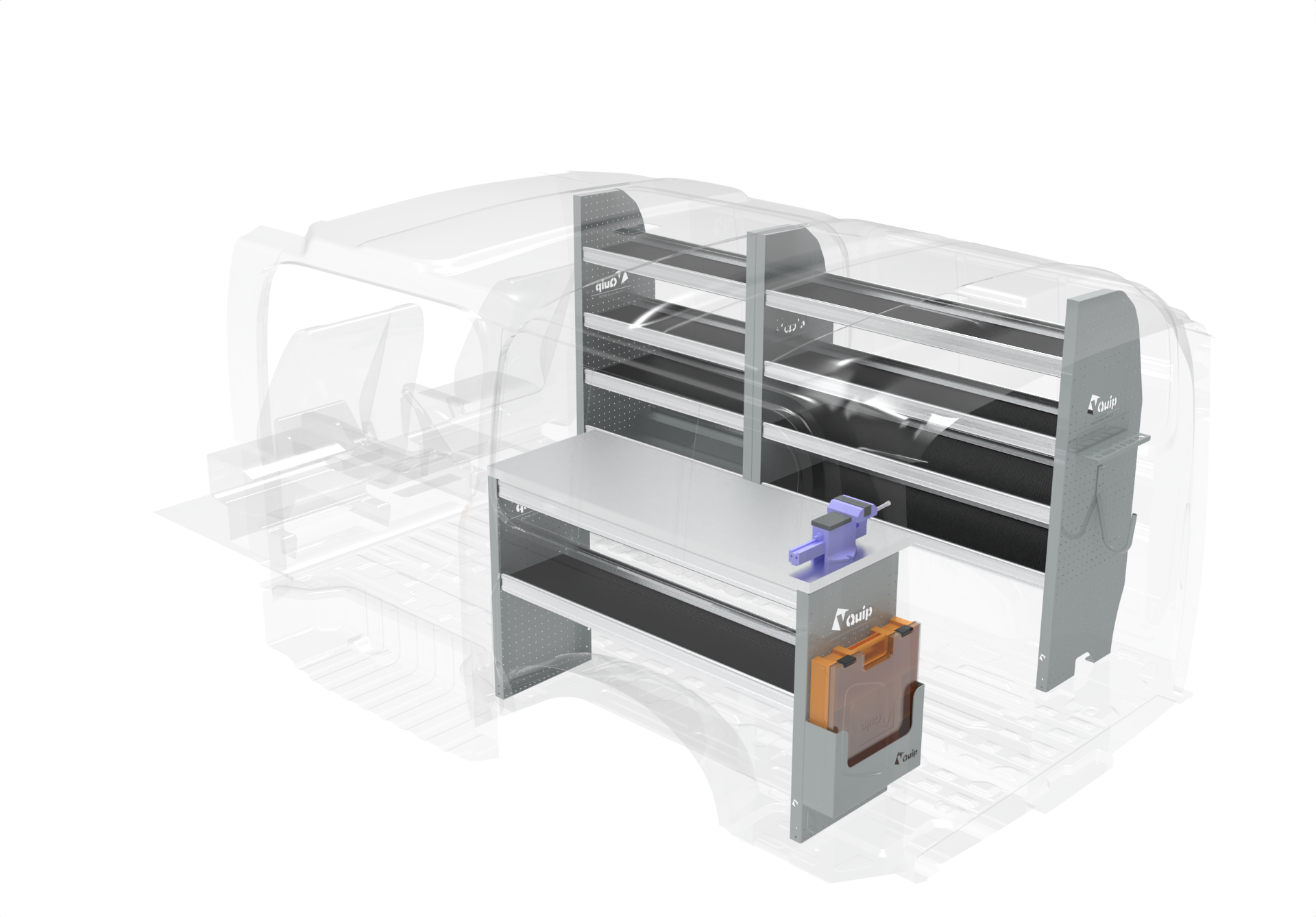
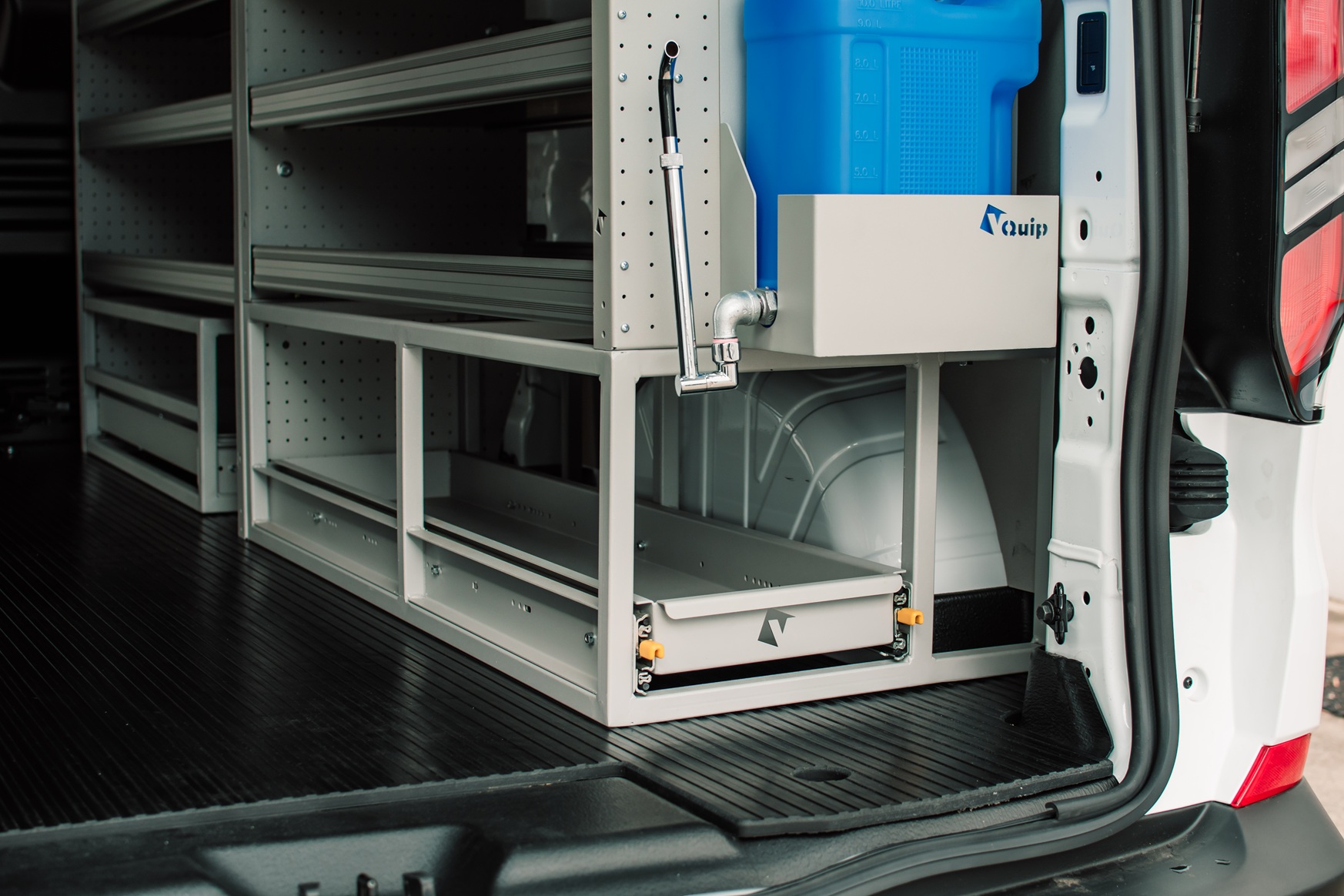
- Optional modules such as drawer units, slide-outs, or vice mounts
- Electrical packages that scale based on requirements
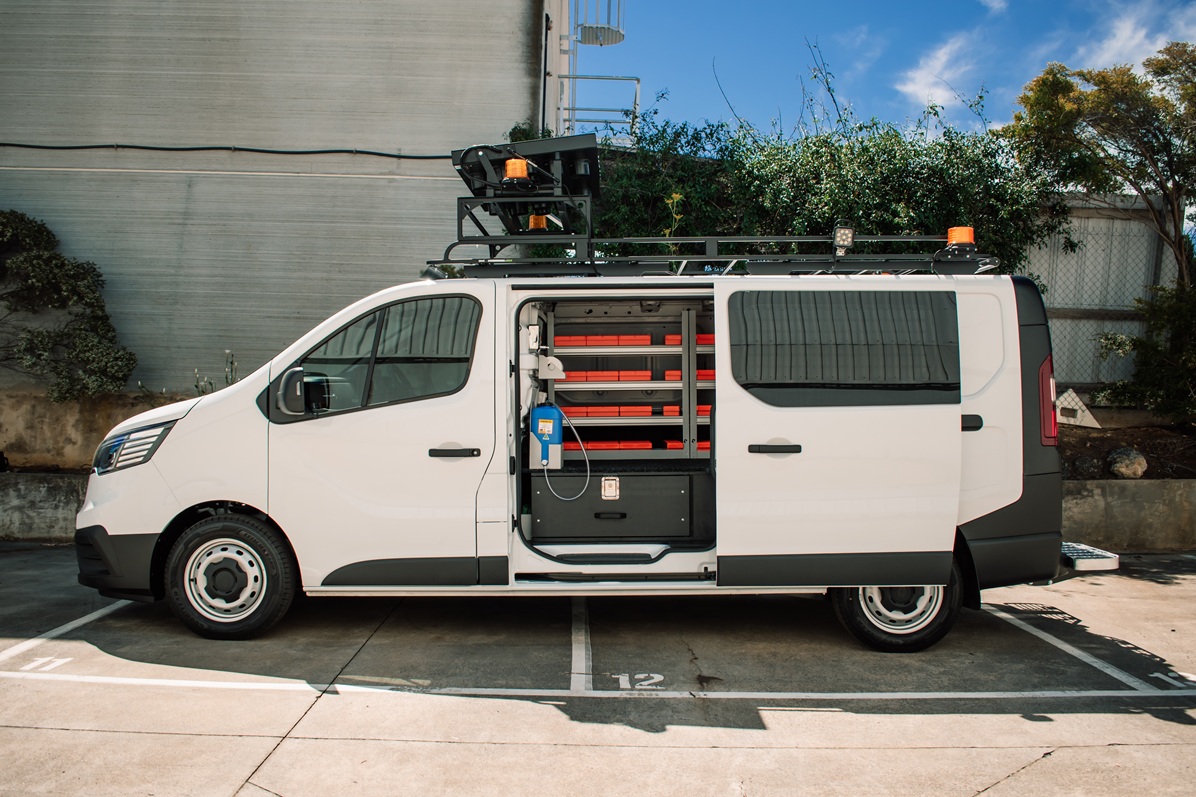
- Layout variations based on vehicle type or industry
This model allows fleets to maintain control and efficiency, while still tailoring vehicles to real-world use.
It also significantly reduces design time and speeds up quoting and rollout.
4. Why Configurable Models Are Gaining Momentum
There are several reasons why configurable fitouts are becoming more common across fleet programs.
Speed to Deployment
Fleet operators are under increasing pressure to get vehicles on the road faster. Configurable systems reduce design bottlenecks and allow quicker turnaround from order to installation.
Scalability
As fleets expand nationally, consistency becomes critical. A configurable system maintains a standard foundation while allowing controlled variation.
Improved Forecasting
With a defined set of components and layouts, procurement becomes more predictable. This helps reduce delays caused by part shortages or custom fabrication.
Better Use of Data
Fleet managers are starting to use real usage data to refine fitouts over time. Configurable systems make it easier to adjust future builds without starting from scratch.
5. The Role of Technology in the Future of Fitouts
Digital design tools, configurators, and platforms are changing how fitouts are planned and delivered.
Instead of relying on static drawings and manual processes, fleet managers can now:
- Visualise layouts before build using 3D renders
- Select fitout options through structured configurators
- Standardise specifications across multiple locations
- Track rollout progress in real time
This approach reduces uncertainty and improves decision-making at every stage of a fleet program.
It also enables closer alignment between design, production, and operations.
6. Where the Industry Is Heading
The future of fleet fitouts is unlikely to sit at either extreme.
Fully custom builds will still have a place for highly specialised applications. Fully standardised fitouts will continue to suit certain large-scale operations.
But for most fleets, the direction is clear.
Configurable, modular fitouts are becoming the preferred model. They provide the balance needed to manage large programs efficiently, without losing sight of the technician’s day-to-day requirements.
As fleets continue to evolve, the organisations that adopt this approach will be better positioned to scale, adapt, and maintain consistency across their operations.
Final Thought
Choosing the right fitout approach is no longer just a design decision. It is a strategic one.
The most effective fleets are moving away from one-size-fits-all thinking and towards structured flexibility. By combining standardisation with controlled configuration, they are building vehicles that are not only consistent, but genuinely fit for purpose.
That shift is shaping the future of fleet fitouts.