What Fleet Managers Can Learn From Lean Manufacturing
Jul 17, 2026
Reducing Waste Doesn’t Just Happen on the Factory Floor
When people hear the term lean manufacturing, they often think of production lines, factories and automotive assembly plants.
But the principles behind lean thinking apply just as well to service fleets.
In fact, every technician, every service vehicle and every job completed throughout the day is part of a production process. The end product simply isn’t a manufactured item—it’s a completed customer job.
For fleet managers, adopting lean principles can lead to significant improvements in productivity, consistency and operating costs without necessarily increasing fleet size or headcount.
What Is Lean Manufacturing?
Lean manufacturing is a philosophy focused on delivering more value to the customer while eliminating activities that don’t add value.
In simple terms, it’s about working smarter rather than harder.
Lean organisations continually look for opportunities to reduce waste, simplify processes and improve consistency.
For service fleets, many of the same opportunities exist every day.
Identifying Waste in a Service Fleet
One of the foundations of lean manufacturing is recognising waste.
While every fleet is different, common examples include:
- Technicians searching for tools or parts.
- Returning to the depot because equipment was forgotten.
- Waiting for replacement stock.
- Carrying unnecessary equipment that adds weight but is rarely used.
- Multiple technicians using different vehicle layouts for the same role.
- Vehicles spending extended periods off the road for repairs or modifications.
None of these activities create value for the customer, yet they consume valuable time and resources.
Standardisation Drives Consistency
One of the biggest lessons from lean manufacturing is the value of standardisation.
Manufacturing businesses rely on repeatable processes because consistency improves quality, reduces errors and makes continuous improvement easier.
The same applies to fleet vehicles.
When technicians performing the same role work from a consistent vehicle layout:
- Training becomes simpler.
- Equipment is easier to locate.
- Vehicles can be swapped with minimal disruption.
- Inventory management becomes more efficient.
- New staff become productive sooner.
Standardisation doesn’t remove flexibility. It simply provides a proven foundation that delivers consistent results.
Design Around the Workflow
Lean manufacturing focuses on improving the flow of work.
Rather than asking workers to adapt to inefficient processes, lean organisations redesign the process to remove unnecessary steps.
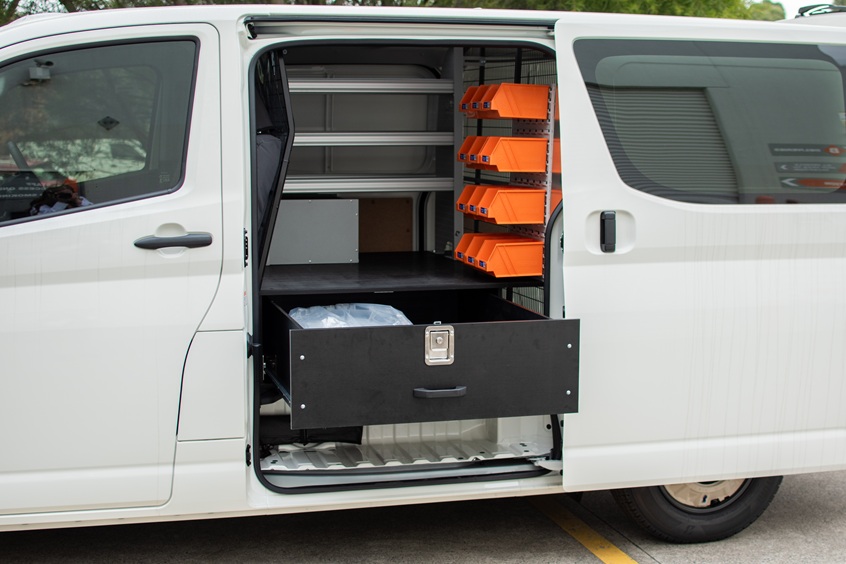
Fleet managers can apply exactly the same thinking to vehicle fitouts.
Questions worth asking include:
- Are frequently used tools easy to access?
- Are technicians walking around the vehicle more than necessary?
- Is equipment positioned to match the order in which it’s used?
- Are heavy items stored safely and ergonomically?
- Can common tasks be completed with fewer movements?
Small improvements in vehicle layout can remove dozens of unnecessary actions every day.
Continuous Improvement Never Stops
One of the defining characteristics of lean organisations is that they never assume a process is perfect.
Instead, they continually gather feedback, measure performance and make incremental improvements.
Fleet managers can take the same approach by regularly asking technicians:
- What’s slowing you down?
- Which tools are hardest to access?
- What equipment do you rarely use?
- What would make your day easier?
The people using the vehicles every day often provide the most valuable ideas for improvement.
Measure More Than Vehicle Costs
Fleet performance is often measured using metrics such as fuel consumption, maintenance costs and vehicle utilisation.
While these are important, lean thinking encourages organisations to look beyond financial measures alone.
Additional performance indicators might include:
- First-time fix rates
- Average job completion time
- Technician satisfaction
- Vehicle downtime
- Warranty claims
- Safety incidents
- Time spent searching for equipment
These measures provide a more complete picture of how effectively a fleet supports its workforce.
Build Quality In From the Beginning
Lean manufacturing places a strong emphasis on preventing problems rather than fixing them later.
For fleet projects, this starts well before the first vehicle enters production.
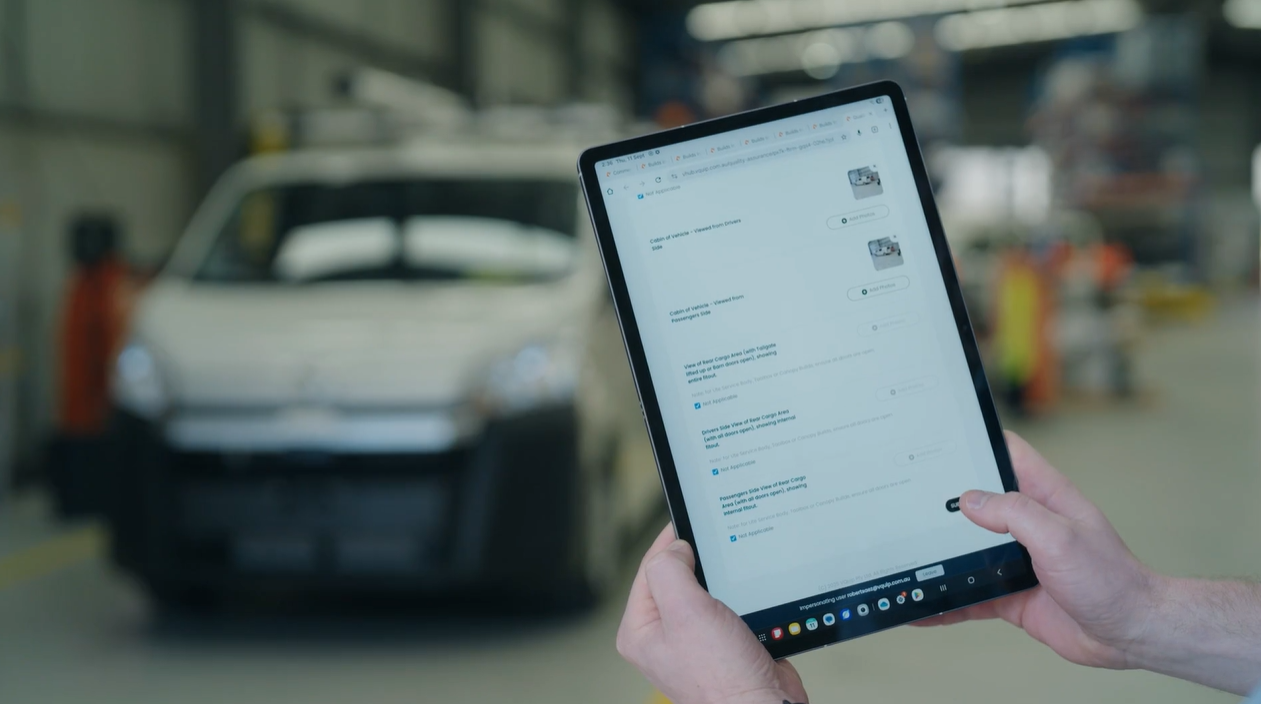
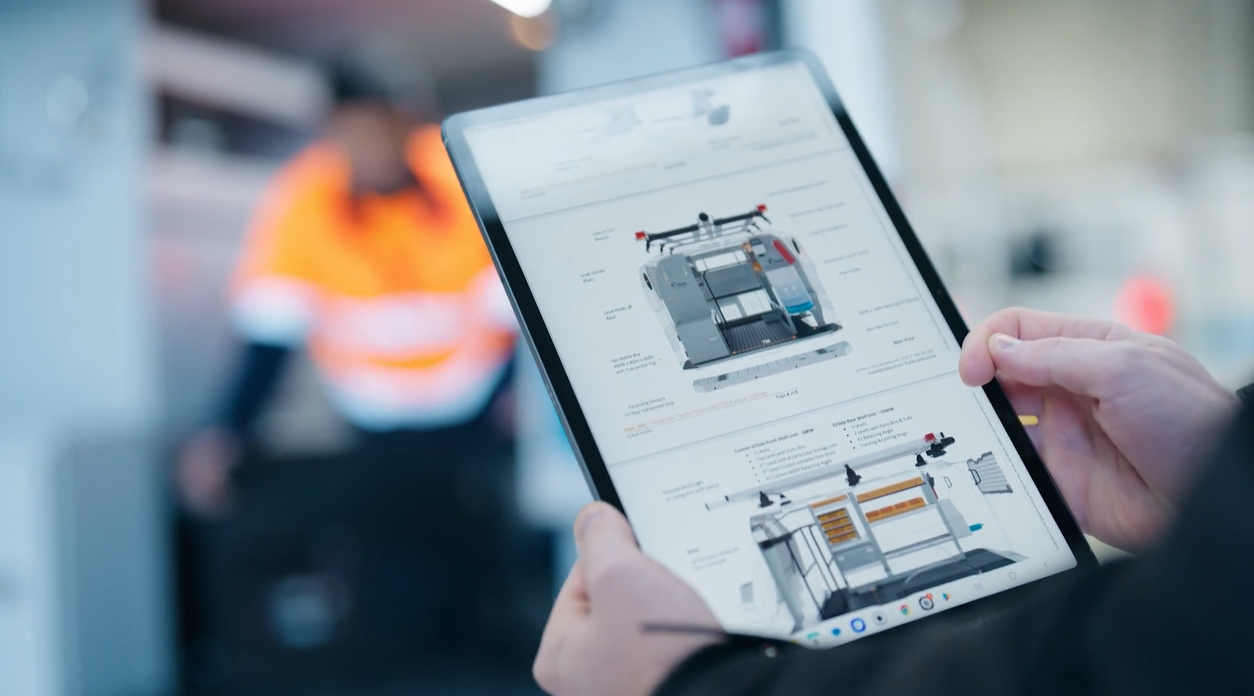
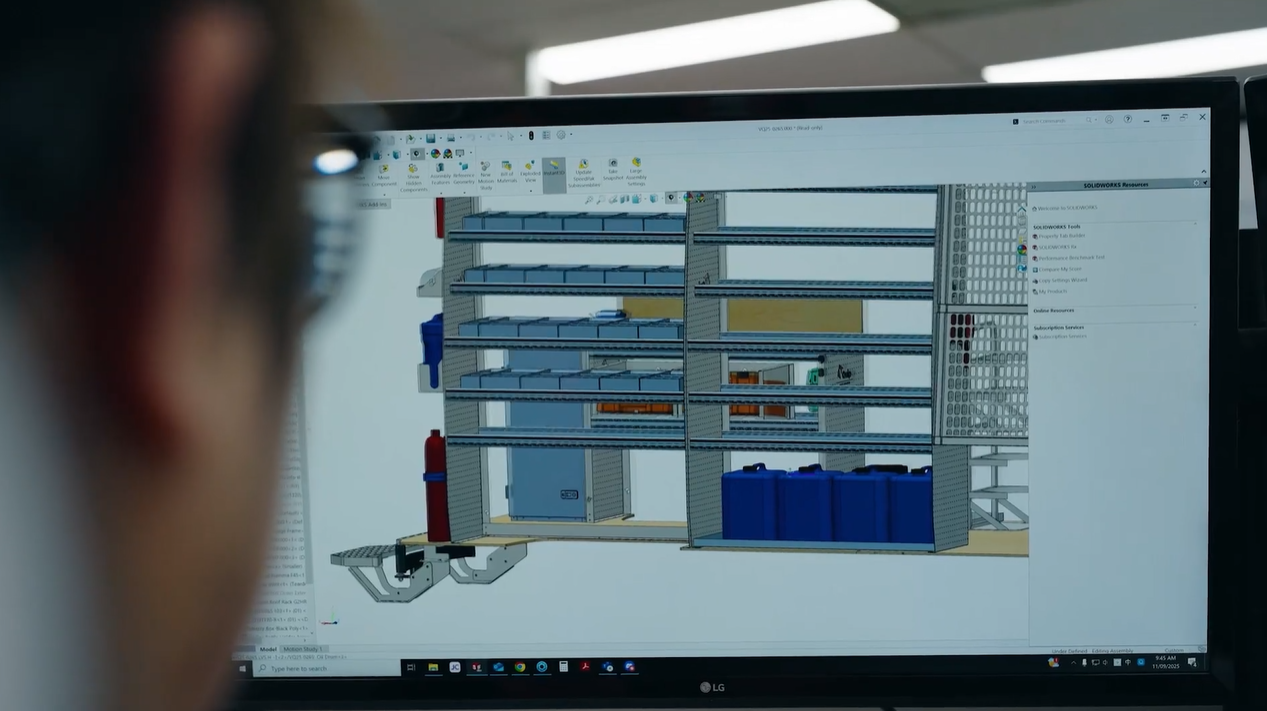
Taking the time to understand technician workflows, prototype layouts and validate designs before a full rollout can prevent costly changes once dozens—or even hundreds—of vehicles are on the road.
Investing time upfront often saves far more time and money later.
Small Improvements Create Big Results
One of the biggest misconceptions about lean thinking is that it requires major organisational change.
In reality, lean is often about making dozens of small improvements that compound over time.
Relocating a frequently used tool, improving drawer accessibility, simplifying stock storage or standardising vehicle layouts may seem like minor changes individually.
Together, however, they can save countless hours across an entire fleet over the life of the vehicles.
The Bottom Line
Lean manufacturing isn’t just for factories.
Its principles can help fleet managers build service vehicles that are easier to work from, simpler to maintain and more productive throughout their lifecycle.
By reducing unnecessary movement, standardising layouts, listening to technicians and continually refining the way vehicles support daily work, organisations can create fleets that don’t just transport people and equipment—they actively improve operational performance.
In today’s competitive environment, that’s where the real advantage lies.