Daily Vehicle Safety Checklists: The 5 Minutes That Could Prevent Hours of Downtime
Jul 8, 2026
For many businesses, work vehicles are among their most valuable assets. Whether it’s a service van, ute or specialist fleet vehicle, every vehicle needs to be safe, reliable and ready for the day ahead.
Yet one of the simplest ways to improve vehicle safety is often overlooked: completing a daily vehicle safety checklist before leaving the depot.
A quick inspection takes only a few minutes, but it can help identify issues before they become costly breakdowns, workplace incidents or compliance problems.
Why Daily Vehicle Checks Matter
Drivers are the people who spend the most time with their vehicles. They’re often the first to notice when something isn’t quite right.
A structured daily inspection helps identify small issues before they become major problems, including:
- Under-inflated or damaged tyres
- Broken lights or indicators
- Windscreen damage
- Fluid leaks
- Damaged mirrors
- Faulty safety equipment
- Loose cargo or unsecured tools
Finding these issues before the vehicle heads onto the road helps reduce the likelihood of accidents, mechanical failures and unexpected downtime.
Protecting Your People
Every employer has a responsibility to provide a safe workplace, and that includes company vehicles.
A vehicle with worn tyres, faulty brakes or damaged lighting can place both the driver and other road users at risk.
By implementing a simple pre-start inspection, businesses create another layer of protection that encourages drivers to actively think about vehicle safety every day.
Just as importantly, regular inspections help build a stronger safety culture throughout the organisation.
Reducing Expensive Downtime
Minor issues are usually inexpensive to fix.
Major failures rarely are.
A slow puncture identified during a morning inspection might only require a tyre repair. Left unnoticed, it could result in a roadside breakdown, missed customer appointments and an expensive replacement tyre.
The same applies to leaking fluids, worn wiper blades or loose components that could quickly develop into larger mechanical problems.
Preventative inspections help keep vehicles on the road and technicians where they belong—serving customers.
Improving Fleet Presentation
For many businesses, service vehicles are rolling advertisements.
A clean, well-maintained vehicle presents a professional image every time it arrives at a customer’s premises.
Daily inspections encourage drivers to identify:
- Body damage
- Broken lights
- Missing trims
- Dirty windows
- Damaged signage
- Untidy cargo areas
Small improvements in presentation can make a significant difference to how customers perceive your business.
Ensuring Equipment is Safe and Secure
Vehicle inspections shouldn’t stop at the vehicle itself.
Drivers should also check that:
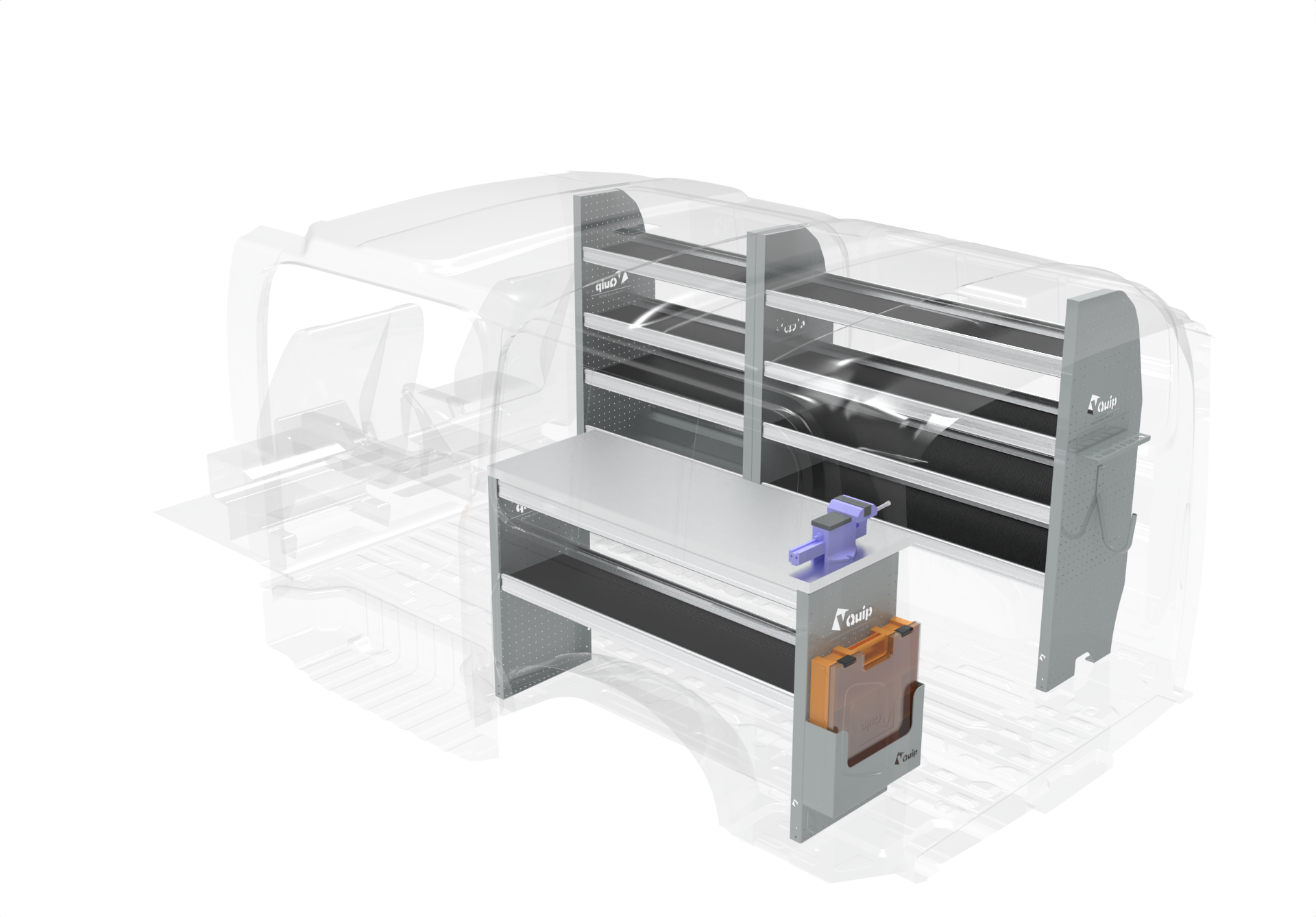
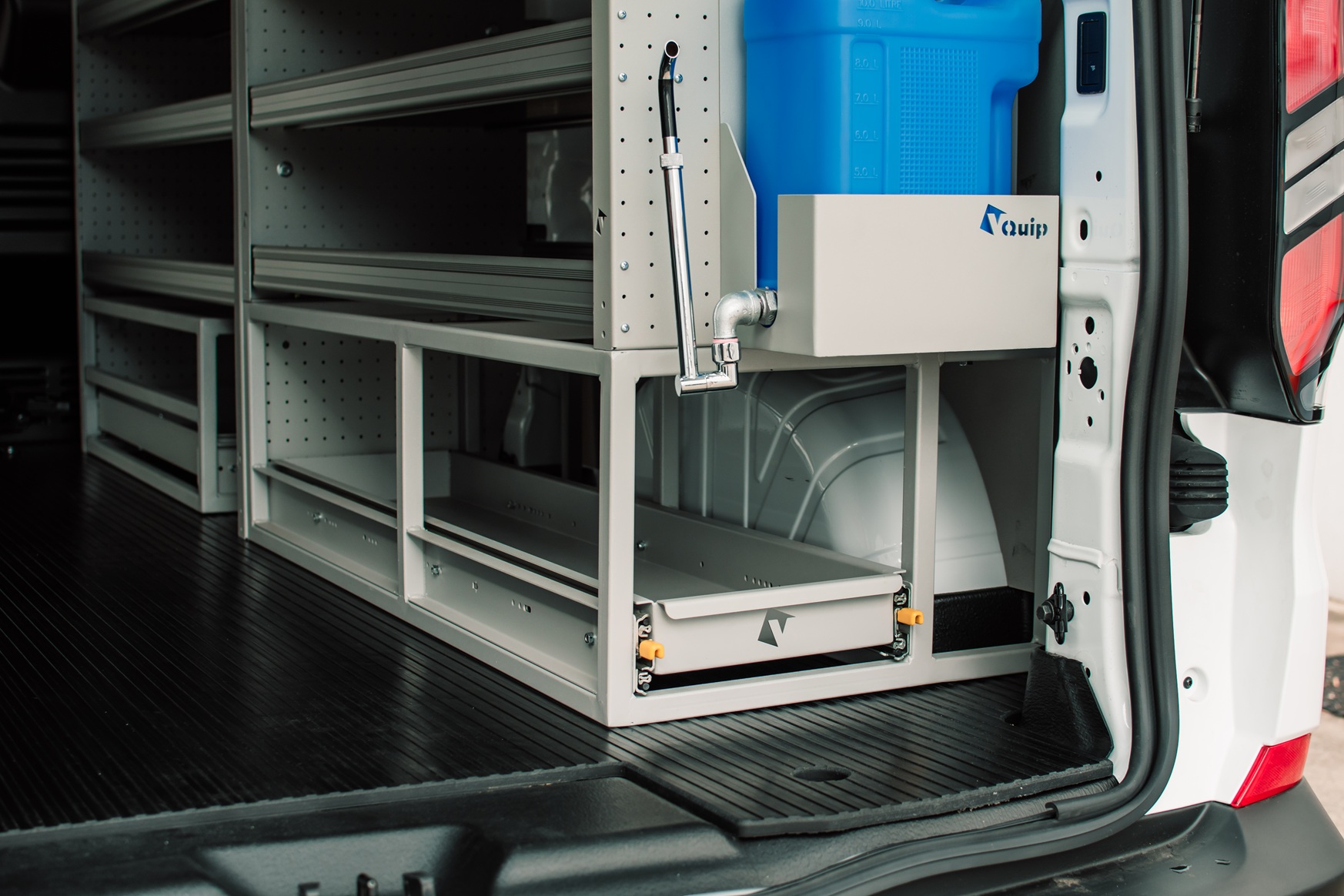
- Shelving remains securely fastened
- Drawers lock correctly
- Roof racks are secure
- Ladders are properly restrained
- Loads are safely secured
- Fire extinguishers and first aid kits are present and in date
- Emergency equipment is available
Loose equipment inside a work vehicle can become a serious hazard during sudden braking or an accident.
Creating Accountability
Using a documented checklist provides a clear record that inspections have been completed.
This helps businesses:
- Demonstrate due diligence
- Support workplace safety systems
- Track recurring vehicle issues
- Schedule preventative maintenance
- Improve fleet reliability over time
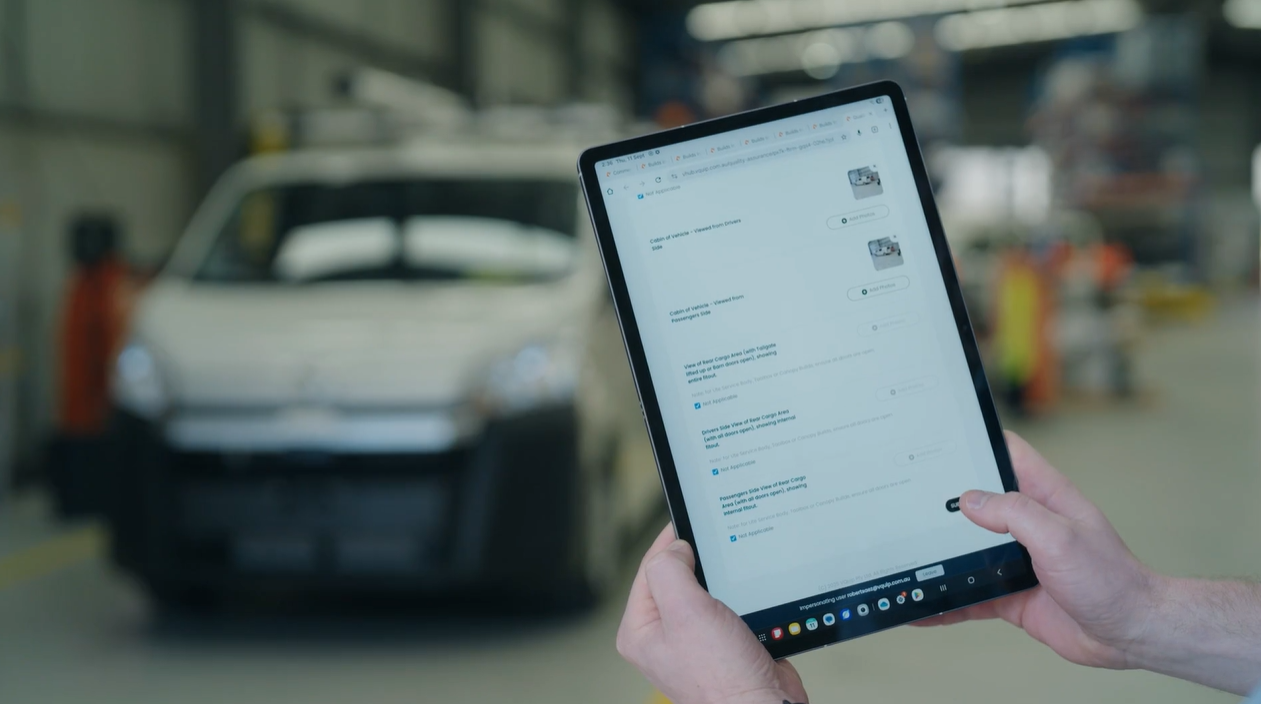
Digital checklists can make this process even easier by allowing drivers to complete inspections on their phone and instantly notify fleet managers of any defects.
What Should a Daily Vehicle Safety Checklist Include?
While every fleet is different, most daily inspections should cover:
Exterior
- Tyres and tyre pressures (visual inspection)
- Lights and indicators
- Mirrors
- Windscreen and windows
- Number plates
- Body damage
- Fluid leaks underneath the vehicle
Interior
- Seatbelts
- Horn
- Dashboard warning lights
- Windscreen washers and wipers
- Air conditioning
- Steering and brakes (during initial drive)
Cargo Area
- Secure shelving
- Locked drawers
- Load restraint
- Roof rack equipment
- Ladder restraints
- Tool security
Safety Equipment
- Fire extinguisher
- First aid kit
- Warning triangle (where applicable)
- Spill kit (if required)
- PPE
Make Safety Part of the Daily Routine
A daily vehicle inspection doesn’t need to be complicated.
Five minutes at the start of each day can prevent costly repairs, reduce downtime, improve compliance and, most importantly, help keep drivers safe.
For businesses operating multiple vehicles, a standardised vehicle safety checklist is one of the simplest and most effective ways to improve fleet safety while protecting both people and assets.
At VQuip, we believe a safe vehicle is a productive vehicle. While a well-designed fitout helps technicians work more efficiently, regular inspections help ensure every vehicle remains safe, compliant and ready for whatever the day brings.