What Technician Modifications Reveal About a Fitout
Jul 29, 2026
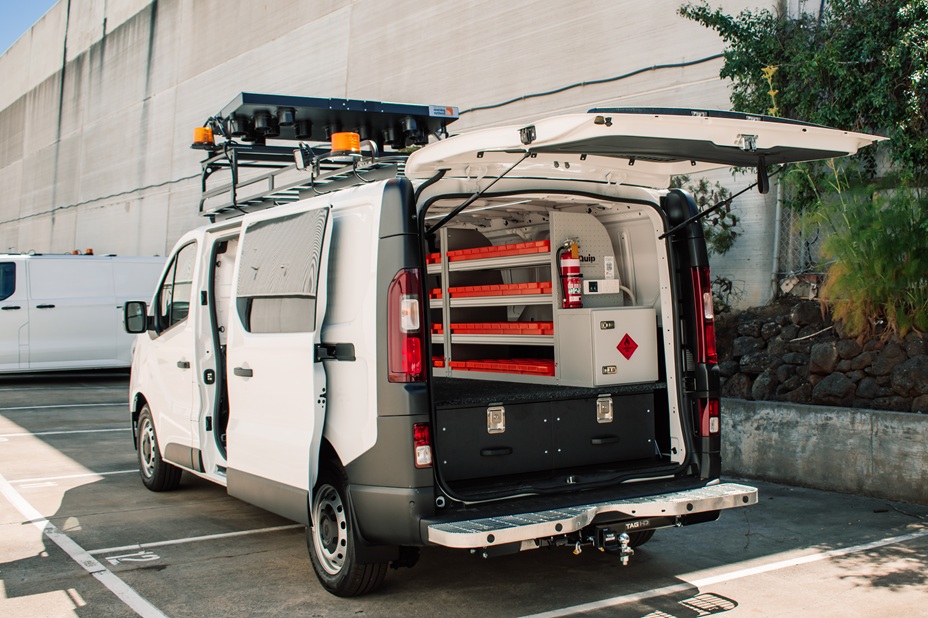
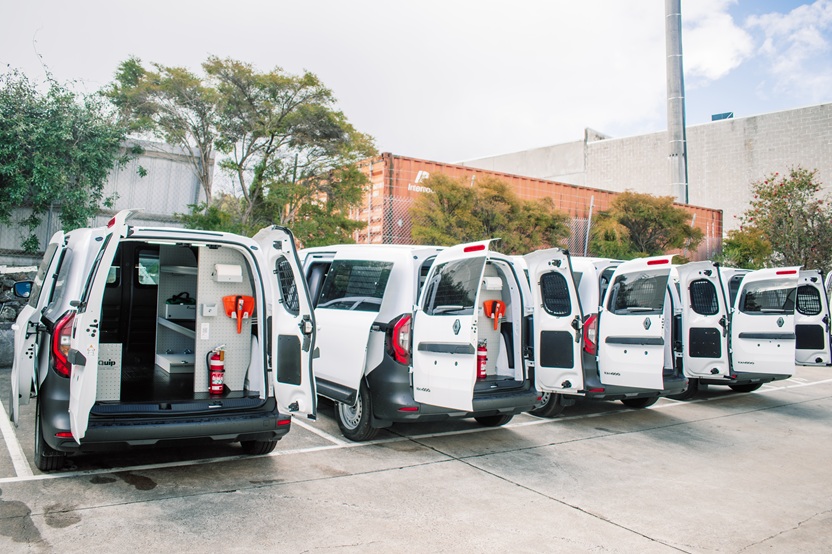
Open the back of a service vehicle that has been working in the field for a year or two, and you may notice that it no longer looks exactly as it did on delivery.
A technician may have added a hook near the rear doors, installed makeshift shelf dividers, relocated a tool case or created an informal storage area for frequently used parts. Sometimes equipment that once had a designated position is now stored somewhere completely different.
These changes are easy to dismiss as untidiness or personal preference. However, they can provide valuable information about how well the vehicle supports the work being performed.
Technician modifications often reveal the difference between how a fitout was expected to be used and how it is actually used in the field.
Modifications are a form of operational feedback
Technicians naturally adapt their work environment to make everyday tasks faster or easier. If the same type of modification appears across several vehicles, it may indicate that the current fleet standard is not fully aligned with the technicians’ workflow.
For example, an added hook near the rear doors may show that a frequently used item needs a more accessible position. Homemade shelf dividers could indicate that smaller parts are moving around or becoming mixed together. Equipment stored on the floor rather than in its assigned location may suggest that the original storage area is difficult to access.
The modification itself is only part of the story. The more useful question is: what problem was the technician trying to solve?
Frequently used equipment may be in the wrong place
One of the clearest patterns to look for is the relocation of commonly used tools and equipment.
If technicians repeatedly move an item from deep inside the vehicle to a position near a side or rear door, this can indicate that the original layout did not reflect how frequently the item would be needed.
This matters because small movements are repeated throughout the working day. Reaching across shelving, climbing into the cargo area or moving other equipment out of the way may only take a few seconds each time, but the inconvenience quickly adds up.
When reviewing a fitout, fleets should consider not only what the vehicle carries, but also:
- How frequently each item is used
- Which door the technician normally works from
- Whether the item can be reached from outside the vehicle
- Whether other equipment must be moved first
- How heavy or awkward the item is to handle
The most valuable storage positions should generally be reserved for equipment used most often.
Homemade dividers can reveal an organisation problem
Cable ties, plastic containers, timber dividers and handwritten labels are common examples of technician-added organisation.
These changes may indicate that the vehicle has enough overall storage capacity, but not the right type of storage for the items being carried.
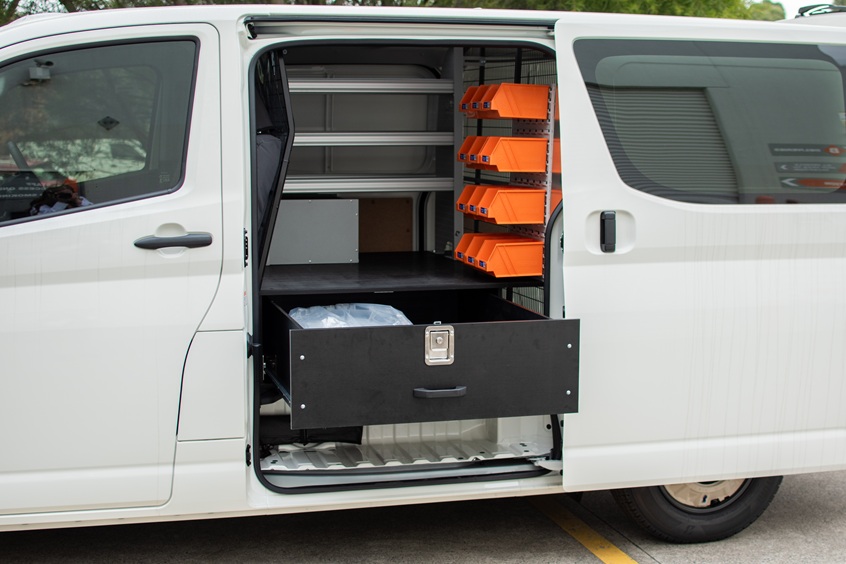
A large shelf can hold a significant amount of equipment, but it may not work particularly well for small fittings, consumables or components that need to remain separated. In these situations, adjustable dividers, parts bins, cases or drawers may provide better organisation than simply adding more shelving.
It is also worth examining whether technicians can identify when stock is running low. A storage system that hides small parts at the back of a shelf may make replenishment more difficult, even if the vehicle appears tidy.
Unused storage may be just as revealing
Modifications are not always additions. Empty shelves, unused holders and abandoned compartments can also provide useful feedback.
A designated storage position may remain unused because it is:
- Difficult to reach
- Too small for the intended item
- Blocked when other equipment is loaded
- Located on the wrong side of the vehicle
- Slower to use than an alternative position
- No longer relevant to the technician’s role
Unused storage should not automatically be considered wasted. Some spare capacity can be valuable for changing equipment or temporary loads. However, if a component remains unused across multiple vehicles, it may be worth reconsidering in the next fitout specification.
Removing or redesigning an unnecessary component could free up payload, improve access or create space for something technicians genuinely need.
Added restraints may identify movement or noise
Technicians will often use straps, foam, rubber matting or other improvised solutions to stop equipment from moving or rattling while the vehicle is in transit.
This may reveal that an item does not have an appropriate storage position or that its retention method is not well suited to real operating conditions.
Equipment can vary in size, particularly when stock levels change throughout the week. A storage area that works when full may allow excessive movement when partially empty. Similarly, a tool case may technically fit within a shelf but still move during braking, cornering or travel over uneven roads.
These modifications should be reviewed carefully. Technician-installed restraints are not necessarily designed or positioned with vehicle safety, load security or access requirements in mind. A properly considered solution may involve adjustable dividers, positive retention, purpose-designed holders or a different storage location.
Changes may show that the role has evolved
Not every modification indicates a weakness in the original specification. Sometimes the work itself has changed.
Technicians may now carry different equipment, service additional products or complete tasks that were not part of the original vehicle brief. New tools, batteries, chargers and electronic equipment may also introduce storage and power requirements that did not exist when the fitout was designed.
This is why an older fitout should not be copied automatically into a new vehicle. It may still provide a strong starting point, but the specification should be reviewed against the technician’s current role.
The modifications made over the vehicle’s life can help identify exactly where those requirements have changed.
Look for patterns across the fleet
A single modification may reflect one technician’s personal preference. The same modification appearing across multiple vehicles is more likely to indicate a broader operational need.
When reviewing a fleet, it can be helpful to record:
- Common technician-added accessories
- Equipment that has been relocated
- Storage areas that are consistently unused
- Homemade restraints or dividers
- Signs of repeated wear or damage
- Differences between roles, branches or regions
- Requests technicians make when replacement vehicles are ordered
Photos can be particularly useful. They allow fleet managers, operations teams and fitout designers to compare vehicles and identify recurring patterns before the next specification is developed.
Turn field modifications into better specifications
Technician modifications should not simply be copied into the next fitout. An improvised solution may address an immediate problem without considering payload, strength, safety, manufacturability or consistency across the fleet.
Instead, the underlying need should be understood and translated into a properly considered design solution.
This may involve repositioning equipment, changing the type of storage, adding adjustable components or creating role-specific variations within a broader fleet standard. In some cases, the best response may be to provide technicians with a controlled range of approved accessories rather than allowing unrestricted modifications.
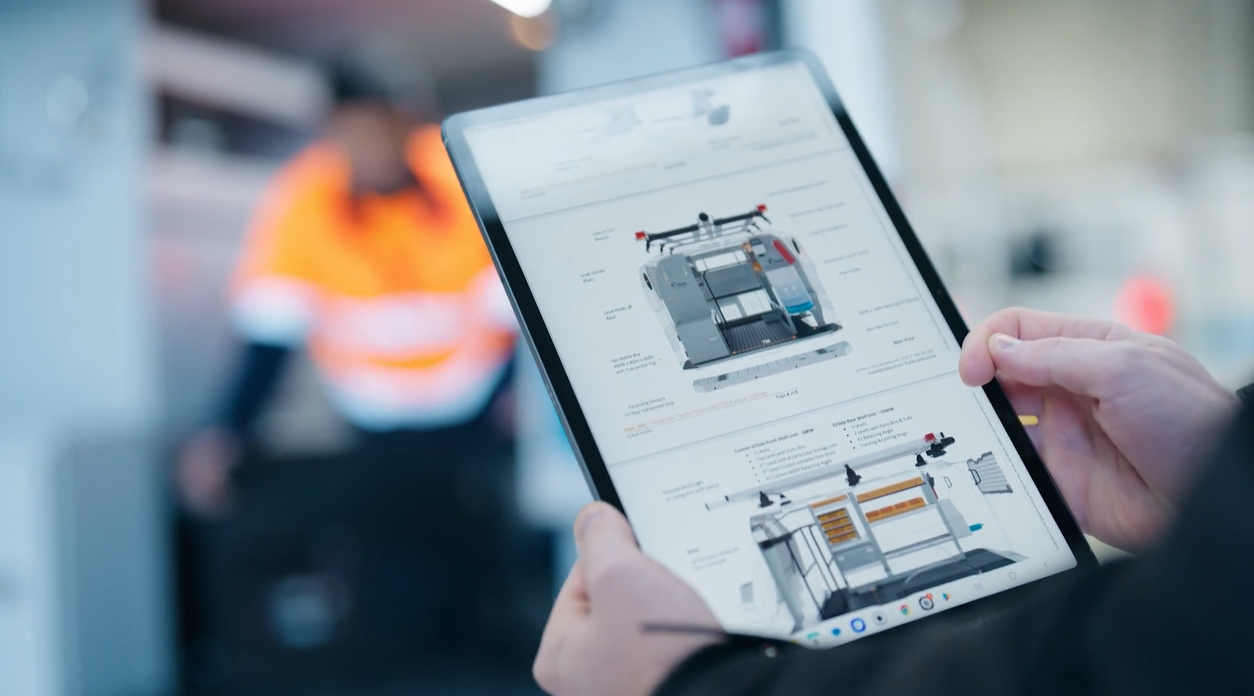
A discovery workshop or fitout review provides an opportunity to combine technician experience with fleet requirements and engineering considerations.
Your existing vehicles are a valuable source of information
A fitout should not only be reviewed when something breaks or when a replacement vehicle is due.
Periodic inspections of vehicles already in service can reveal how the fleet is genuinely being used, which components are delivering value and where technicians have needed to develop their own solutions.
Those cable ties, handwritten labels and relocated tool cases are not necessarily signs of failure. They are evidence. Used properly, they can help fleet managers create a more practical, efficient and relevant specification for the next generation of vehicles.
If you are planning a fleet replacement or reviewing an existing fitout standard, VQuip can help examine how your current vehicles are being used and translate those findings into a considered fitout solution.