National Fleet Rollouts: Lessons Learned from Large Multi-State Programs
Jun 10, 2026
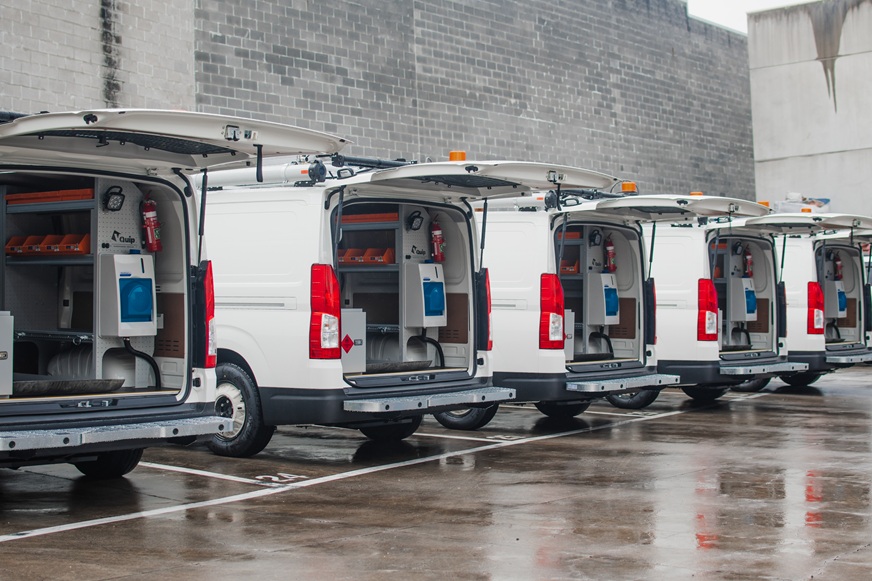
Rolling out a fleet of vehicles across multiple states sounds straightforward on paper. In reality, national fleet programs can quickly become complex projects involving vehicle procurement, logistics, scheduling, stakeholder management, installation consistency, quality assurance and ongoing communication.
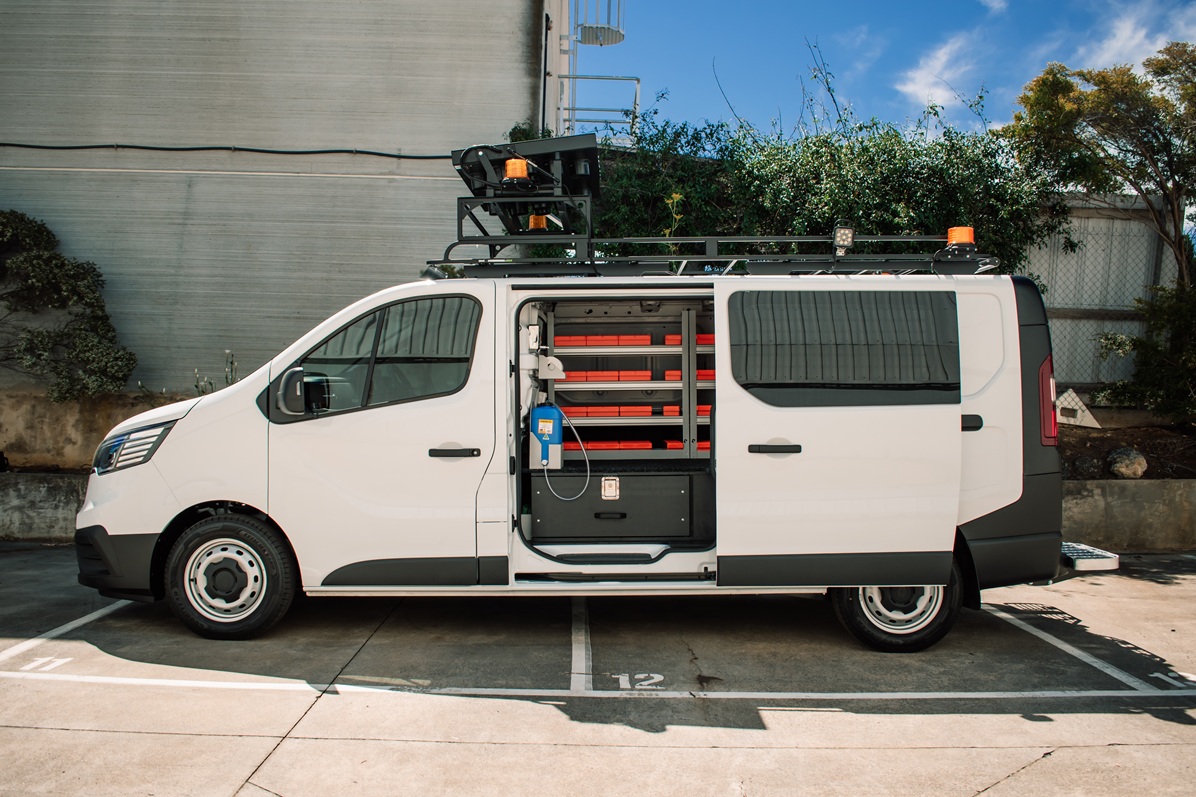
For fleet managers, the challenge is not simply fitting out vehicles. It’s ensuring every vehicle is delivered to the same standard, in the right location, at the right time, while minimising disruption to operations.
Having delivered vehicle fitout programs for fleet operators across Australia, we’ve learned that successful national rollouts depend on far more than the fitout itself.
Start with Standardisation
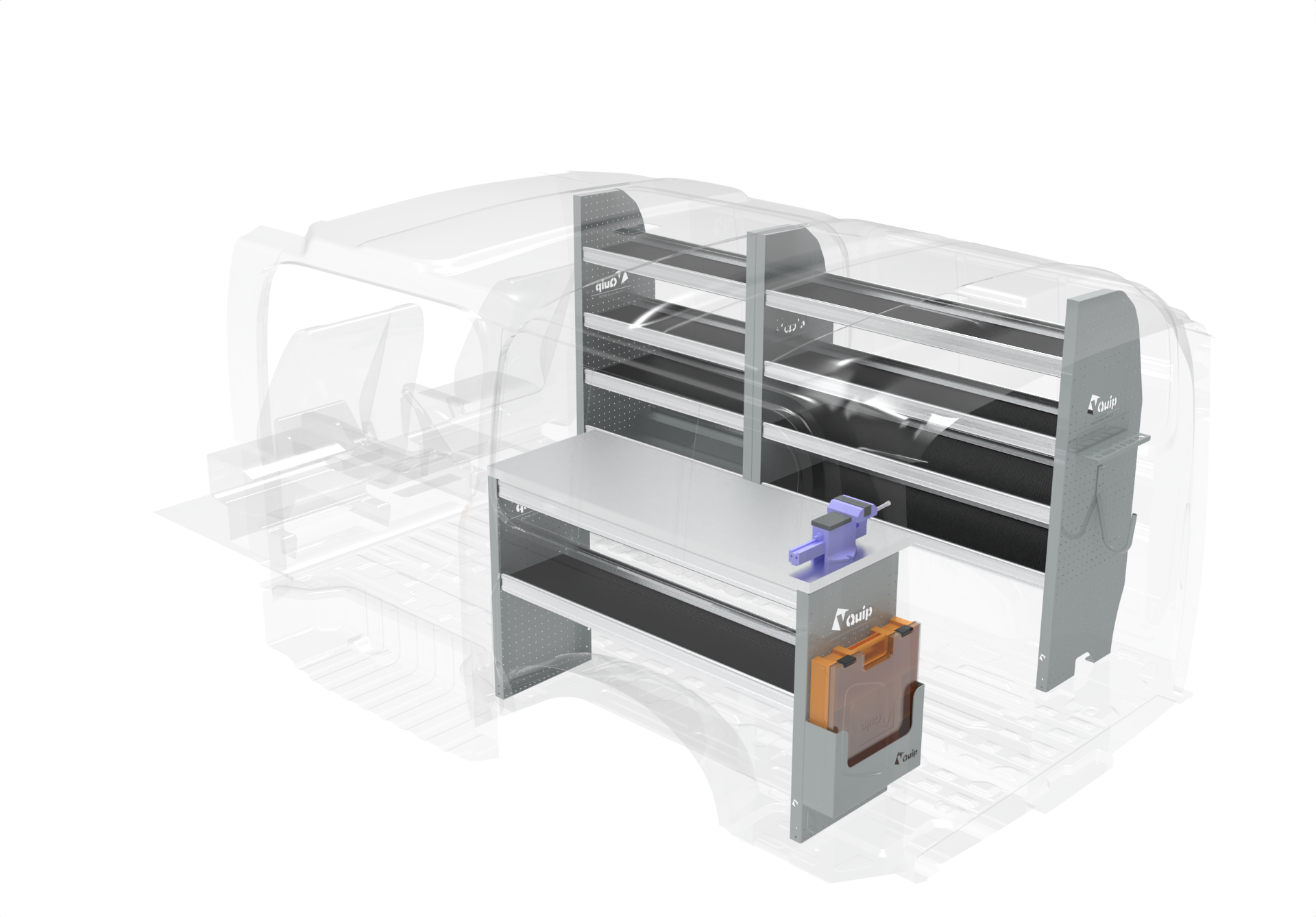
One of the most important decisions in any fleet rollout is establishing a clear and repeatable vehicle specification from the outset.
While individual regions or technicians may have different preferences, excessive variation can create significant challenges during procurement, installation, maintenance and future fleet replacement cycles.
Standardised fitout designs help to:
- Reduce design and engineering time
- Simplify procurement and inventory management
- Improve installation consistency
- Reduce training requirements for technicians
- Support easier maintenance and repairs
That doesn’t necessarily mean every vehicle must be identical. However, having a well-defined baseline specification creates a strong foundation for a successful rollout.
Invest in the Prototype Stage
A common mistake in large fleet programs is rushing into production before validating the design in the field.
A prototype vehicle allows fleet managers, technicians and stakeholders to review the layout, storage systems, workflow and functionality before committing to a larger rollout.
The feedback gathered during this stage often uncovers small but important improvements that can significantly enhance technician productivity, safety and user acceptance.
Changes made during a prototype stage are typically inexpensive. Changes made after dozens of vehicles have already been delivered can be significantly more costly and disruptive.
Communication is Critical
National fleet programs often involve multiple stakeholders, including:
- Fleet managers
- Procurement teams
- Operations managers
- Regional supervisors
- End users
- Vehicle dealerships
- Leasing companies
- Fitout providers
Without clear communication, even well-planned projects can quickly encounter delays.
Regular project updates, milestone tracking and clear escalation pathways help ensure all parties remain aligned throughout the rollout process.
This becomes particularly important when vehicles are being delivered across multiple states and locations simultaneously.
Visibility Drives Better Fleet Outcomes
One of the biggest frustrations for fleet managers during a large vehicle rollout is a lack of visibility.
Once vehicles are handed over to various suppliers, it can become difficult to answer seemingly simple questions:
- Where is each vehicle currently located?
- Has the fitout commenced?
- Is the build on schedule?
- Have quality checks been completed?
- When will the vehicle be ready for delivery?
Traditionally, obtaining this information often required multiple phone calls, emails and manual updates from various stakeholders.
Increasingly, fleet operators are looking for digital project visibility through online portals that provide real-time access to rollout progress.
By giving fleet managers access to live vehicle status updates, production milestones, quality assurance records and estimated completion dates, digital platforms can significantly reduce project administration while providing greater confidence that the rollout is progressing as planned.
This level of transparency becomes particularly valuable when managing dozens, or even hundreds, of vehicles across multiple states and installation locations.
Rather than chasing updates, fleet managers can focus on coordinating vehicle deployment, technician onboarding and operational readiness.
In large-scale fleet programs, visibility is no longer a nice-to-have feature. It has become an important part of successful project delivery.
Expect Vehicle Supply Challenges
Vehicle availability continues to be one of the biggest variables affecting fleet projects.
Production delays, shipping disruptions and changing manufacturer lead times can all impact rollout schedules.
Successful fleet programs are built with flexibility in mind.
Rather than relying on all vehicles arriving at the same time, many fleet operators achieve better outcomes by adopting staged rollout plans that can adapt to changing vehicle delivery schedules.
This approach helps maintain momentum while reducing the risk of project-wide delays.
Consistency Matters
When vehicles are being fitted out across multiple locations, maintaining consistency becomes a major consideration.
Fleet operators expect a technician in Perth to receive the same quality vehicle as a technician in Brisbane, Melbourne or Sydney.
Achieving this requires:
- Detailed engineering documentation
- Standardised installation procedures
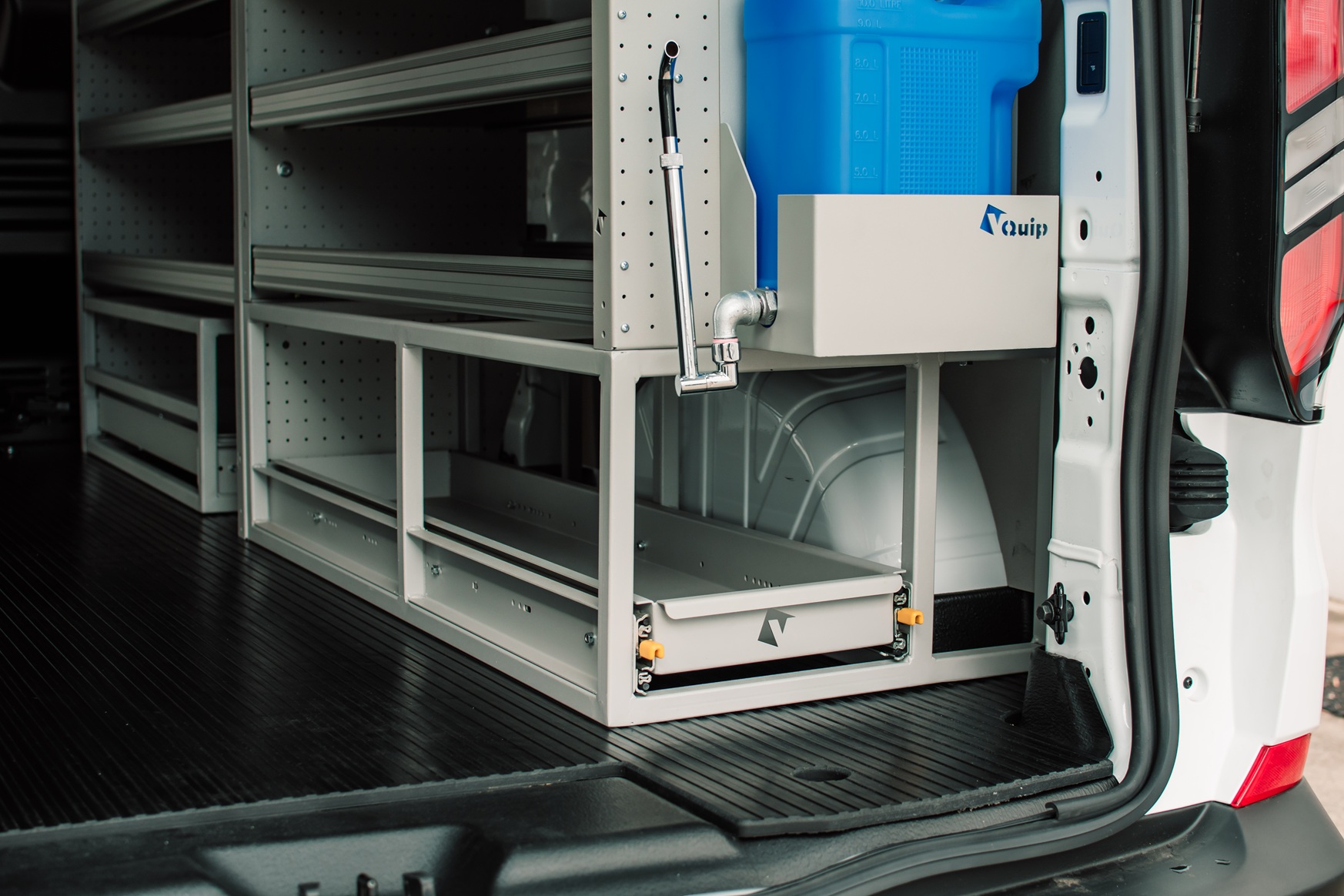
- Controlled product specifications
- Quality assurance processes
- Ongoing installer training
Without these controls, small variations can quickly emerge between vehicles and locations, creating long-term maintenance and operational challenges.
Quality Assurance Should Be Visible
Historically, fleet managers often had limited visibility into the quality of completed vehicle fitouts until the vehicle was delivered.
Modern fleet programs increasingly rely on digital quality assurance systems that provide documented evidence of completed work.
Photographic QA records, inspection checklists and digital sign-off processes help ensure every vehicle meets the required standard before handover.
They also provide valuable records that can be referenced throughout the life of the vehicle, supporting maintenance, warranty management and future fleet replacement programs.
Plan for Future Growth
A fleet rollout should not only solve today’s requirements. It should also consider future fleet expansion, replacement cycles and operational changes.
Questions worth considering include:
- Can the fitout design be easily replicated?
- Are components readily available?
- Can the specification evolve as technology changes?
- Will the design remain suitable as vehicle platforms change?
Taking a long-term view can significantly reduce future fleet management costs and complexity.
The Importance of Having the Right Partner
National fleet rollouts require more than a product supplier. They require a partner capable of managing logistics, engineering, quality control and stakeholder communication across multiple locations.
The ability to provide consistent installations, project visibility and scalable production capacity can often be the difference between a smooth rollout and a challenging one.
At VQuip, national fleet programs are supported through VHub, our customer portal that provides live build status updates, production milestone tracking, digital quality assurance documentation and project visibility throughout the rollout process. This helps fleet managers stay informed without the need for constant follow-up and provides confidence that vehicles are progressing as planned.
For fleet operators, choosing an experienced provider with proven national capability helps reduce risk and ensures vehicles are delivered ready to support frontline operations from day one.
Final Thoughts
Large fleet rollouts are complex projects with many moving parts. While every program is different, the most successful fleet operators tend to follow the same principles: standardise where possible, invest in prototyping, maintain clear communication, prioritise visibility, focus on quality assurance and plan for long-term scalability.
When these elements come together, national fleet programs can deliver consistent, productive and reliable vehicles that support operations across Australia for years to come.