Payload Is a Design Input, Not a Final Check
Aug 23, 2026
Payload is sometimes treated as something to verify at the end of a vehicle fitout project.
The vehicle is selected, the layout is approved, the equipment is installed and only then is the remaining payload considered.
By that point, however, many of the decisions affecting vehicle weight have already been made. If the completed vehicle is too close to its Gross Vehicle Mass (GVM), the available solutions may be limited, expensive or operationally disruptive.
Payload should therefore be treated as a design input from the beginning and monitored throughout vehicle selection, fitout design and equipment allocation.
What does vehicle payload include?
A vehicle’s stated payload is the difference between its GVM and its tare or kerb weight, depending on how the manufacturer presents its specifications.
That available payload must accommodate much more than the fitout itself. It may need to include:
- The driver and passengers
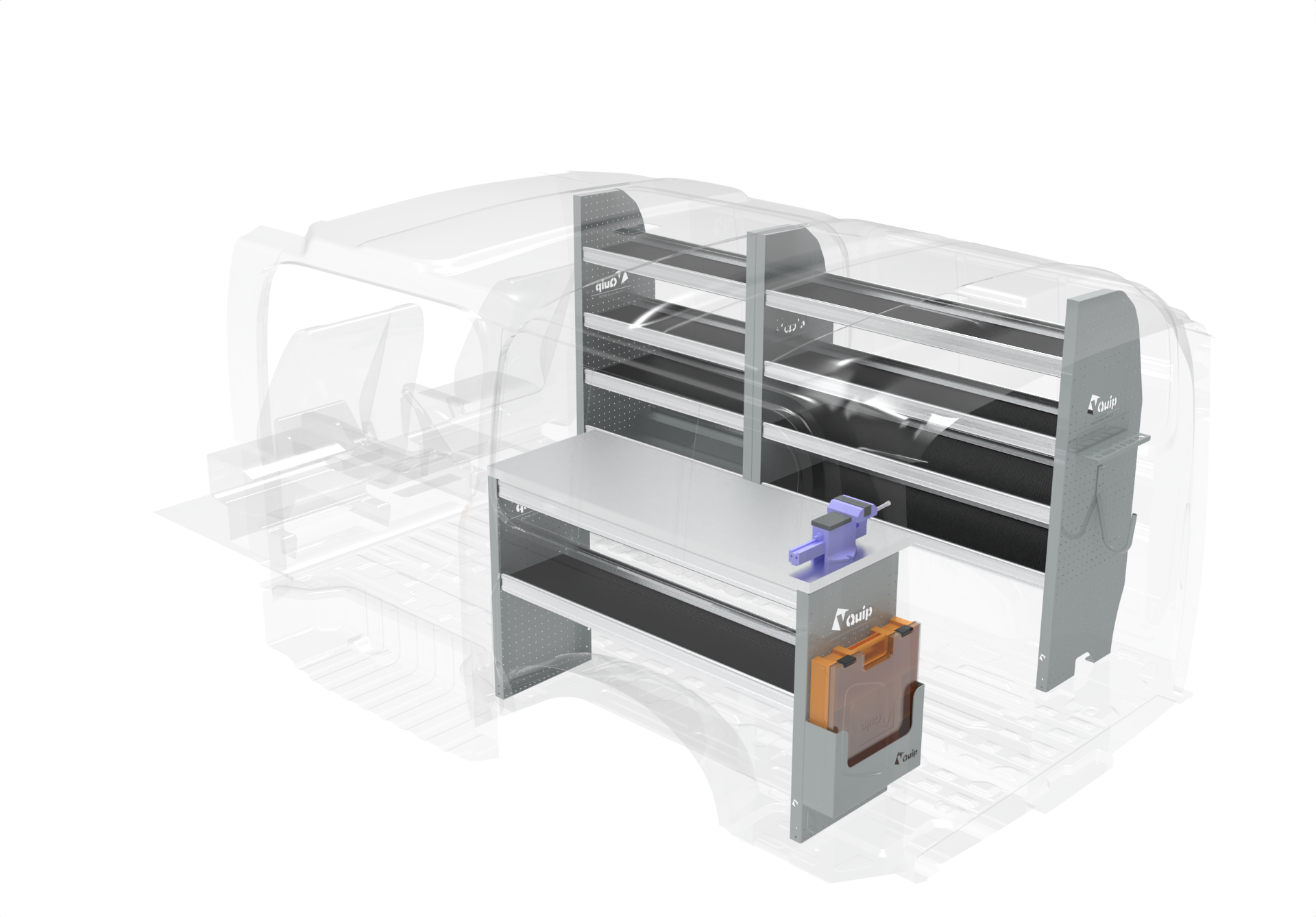
- Shelving, drawers and internal cabinetry
- Flooring, barriers and wall linings
- Roof racks, steps, towbars and external accessories
- Auxiliary batteries, inverters and electrical equipment
- Tools, spare parts and consumables
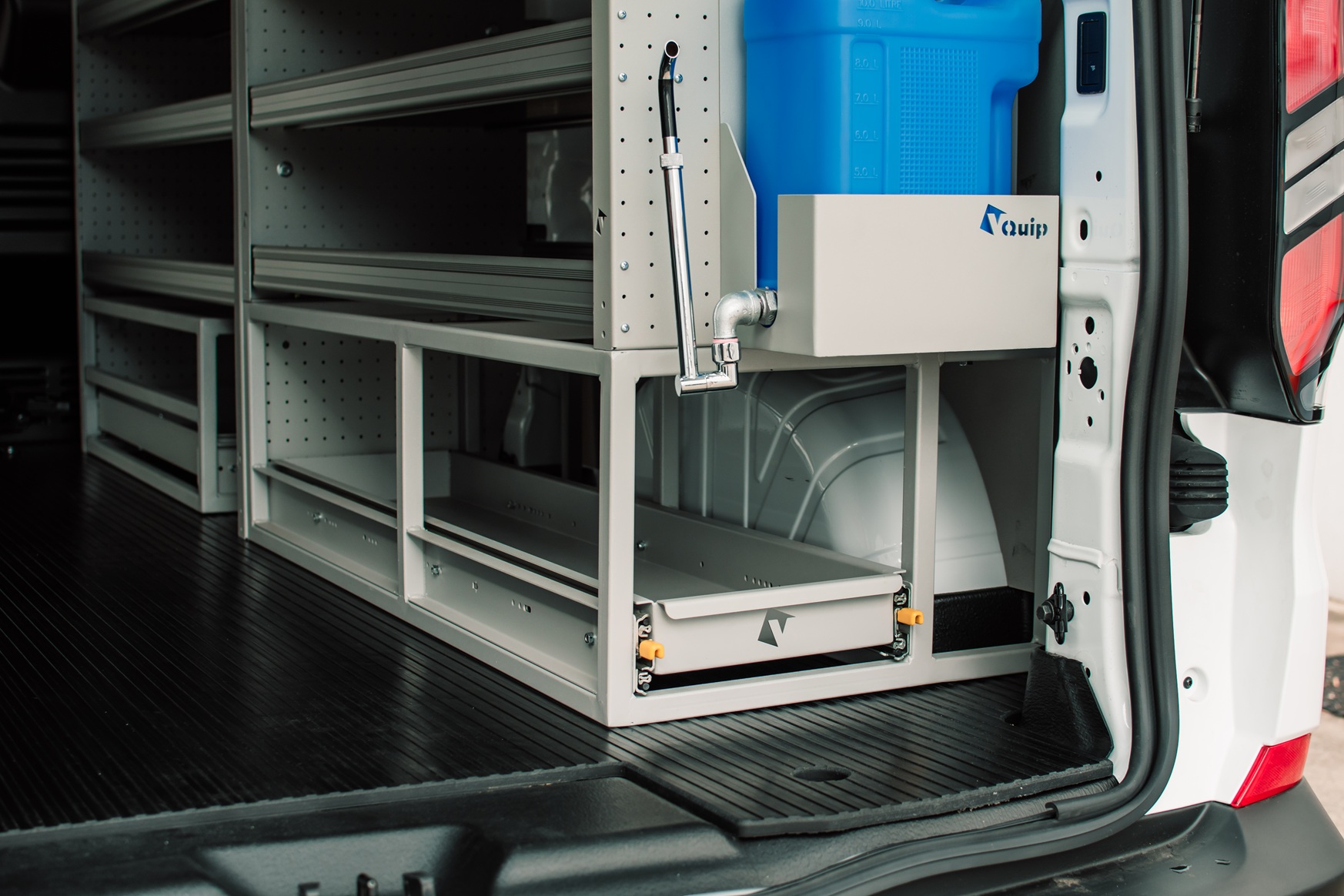
- Water tanks, compressors and specialist equipment
- Personal protective equipment
- Anything being collected, transported or returned during the day
Even smaller items can become significant when carried in quantity. A vehicle containing dozens of parts bins, tools, fixings and consumables can accumulate weight quickly.
The relevant question is not simply whether the empty fitout fits within the vehicle’s payload. It is whether the vehicle remains within its limits when loaded for a realistic working day.
Start during vehicle selection
Vehicle selection and fitout design should not be separate decisions.
Two vehicles with similar cargo dimensions can have significantly different payload capacities. Differences in body length, roof height, drivetrain, seating, doors and factory options can all affect the amount of weight available for the fitout and carried equipment.
Selecting the vehicle first, based primarily on price or cargo volume, can create compromises later. The design team may be asked to fit a large amount of equipment into a vehicle that does not have enough practical payload to carry it.
Before selecting a vehicle, fleet managers should develop an initial weight estimate covering:
- The proposed fitout
- Permanently installed accessories
- Typical tools and equipment
- Stock and consumables
- Driver and passenger allowance
- A suitable operational margin
This estimate does not need to be perfect at the concept stage. Its purpose is to identify whether the vehicle and proposed fitout are broadly compatible before commitments are made.
Monitor weight as the fitout develops
A concept layout can change considerably before it becomes a production-ready design.
Additional drawers may be requested. A larger inverter could be introduced. The technician consultation may identify another piece of specialist equipment. The business may decide to add a roof rack, rear step or towbar.
Each change might appear relatively minor, but their combined effect can materially reduce the available payload.
Weight should therefore be reviewed at key design stages, such as:
- Initial vehicle and fitout selection
- Concept design
- Detailed engineering
- Prototype completion
- Final equipment loading
This creates opportunities to address potential issues while the design is still flexible.
For example, a weight review during concept design may allow the layout to be simplified, materials to be reconsidered or unnecessary equipment to be removed. Discovering the same issue after a fleet prototype has been completed may require physical modifications and another approval process.
Equipment allocation matters as much as fitout weight
The fitout is only one part of the payload equation.
In many service fleets, the weight of tools, spare parts and consumables can equal or exceed the weight of the installed fitout. This is particularly relevant where vehicles carry batteries, pumps, cable, fluids, fittings or other dense equipment.
A payload review should therefore include an equipment allocation exercise.
Fleet managers can ask:
- Does every vehicle need to carry every item?
- Which equipment is used frequently?
- Which items are carried as a precaution but rarely used?
- Can bulky or heavy equipment be shared between teams?
- Are stock quantities based on actual usage?
- Do different technician roles require different allocations?
- Is equipment being added over time without anything being removed?
This process can reduce unnecessary weight while improving organisation. It can also reveal that a single standard fitout and inventory list may not suit every role within the fleet.
Standardisation remains valuable, but it should not require each vehicle to carry equipment its technician does not need.
Heavily equipped service vehicles require closer attention
Payload management becomes particularly important in vehicles with substantial fixed equipment.
Examples can include:
- Large battery and inverter systems
- Compressors and water tanks
- Refrigeration or auxiliary air-conditioning systems
- Heavy-duty drawer units
- Extensive spare-parts storage
- Roof-mounted equipment
- Towing accessories
- Mobile workshops and specialist machinery
These vehicles can consume a significant portion of their available payload before tools, stock, passengers or collected items are added.
Weight distribution also needs to be considered. Staying under the vehicle’s overall GVM does not automatically mean the load is appropriately distributed between the front and rear axles.
Heavy equipment should be positioned with the vehicle’s axle limits, access requirements and handling characteristics in mind. This is another reason payload considerations need to influence the layout from the beginning rather than being checked after installation.
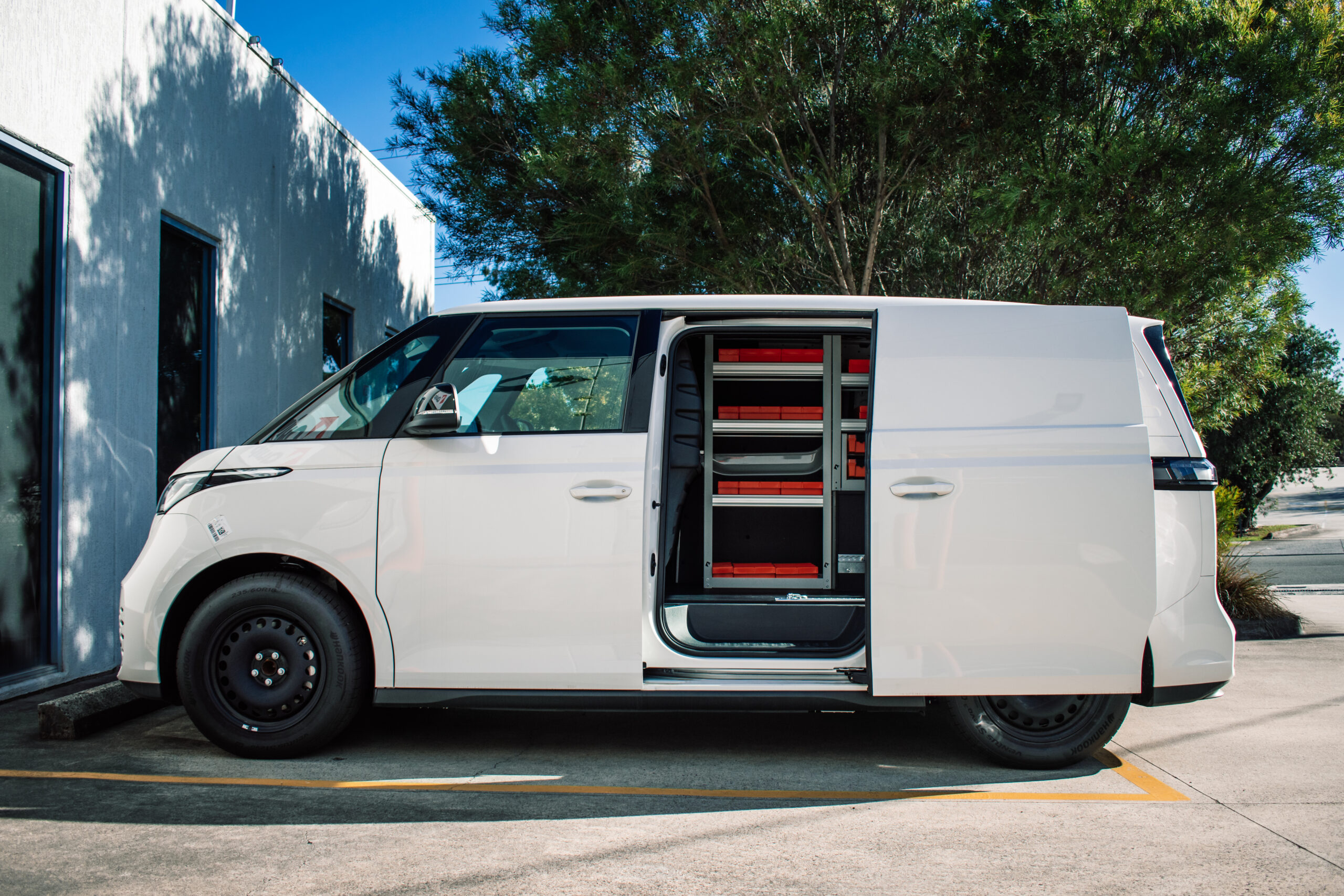
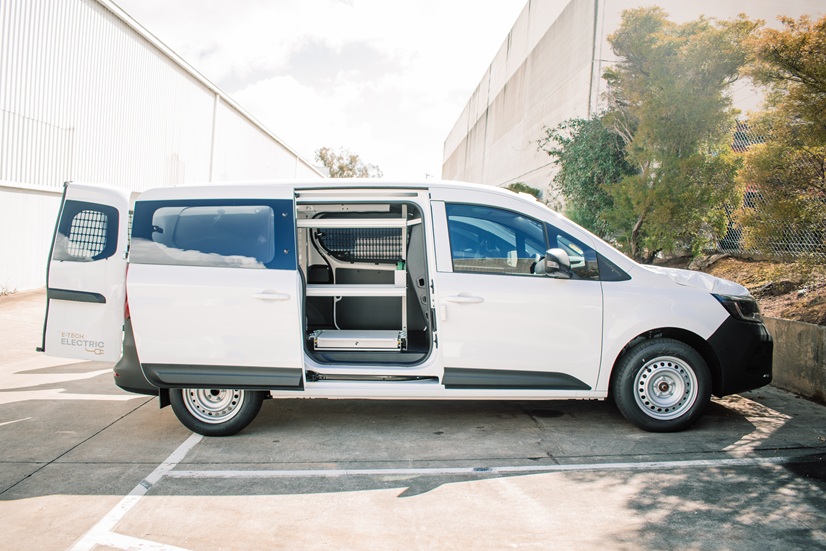
Why payload deserves additional attention with electric vans
Electric commercial vehicles can introduce another layer of payload planning.
The traction battery contributes substantial weight to the base vehicle, which can affect the payload available for the fitout, tools and stock. The exact impact varies by vehicle model and specification, so assumptions based on an equivalent diesel van should not be relied upon.
Fitout weight can also influence energy consumption. Actual range will be affected by several factors, including load, driving conditions, speed, weather, terrain and the use of auxiliary equipment.
Electrical loads may also be greater in some applications. A fleet may need auxiliary batteries, inverters, charging equipment, air conditioning or other systems to support the technician’s work. These components add weight even if they help keep work equipment independent of the vehicle’s traction battery.
This does not make electric vans unsuitable for heavily equipped applications. It means that vehicle selection, route requirements, fitout weight, equipment allocation and charging strategy need to be considered together.
Build in an operational margin
A vehicle should not be designed to operate at its maximum allowable weight during an ordinary day.
Technicians may collect parts, carry returned components, add personal equipment or temporarily transport materials that were not included in the original estimate.
Providing an operational payload margin gives the fleet more flexibility for these everyday variations.
The appropriate margin will depend on the application, but it should be deliberately established rather than left to chance. Without one, even a fitout that is technically within limits when first delivered may become overloaded as equipment and stock accumulate.
Periodic weighing and equipment reviews can help maintain that margin throughout the vehicle’s service life.
A better payload process
An effective payload process should answer five questions:
- What can the selected vehicle legally carry?
- What is the estimated weight of the complete fitout?
- What tools, stock and equipment will be carried?
- Where will the weight be positioned within the vehicle?
- What operational margin will remain?
These questions should be revisited as the specification develops and confirmed using actual vehicle weights where appropriate.
Design around real operating weight
Payload is not simply a compliance figure to check before delivery. It affects vehicle choice, fitout layout, equipment allocation, operating flexibility and, in electric vehicles, potentially energy consumption and usable range.
Treating payload as a design input allows potential problems to be identified while they are still relatively easy to solve. It also encourages better conversations about what technicians genuinely need to carry and whether the chosen vehicle is suitable for the intended work.
A well-designed fleet vehicle should not only fit everything inside. It should carry the complete working load safely, practically and with enough capacity left for the realities of everyday operation.