Planning your 2027 fleet? Build the fitout into the timeline
Nov 3, 2026
When does your next vehicle need to be ready for work?
For fleet managers planning replacements, new contracts or additional service capacity in 2027, that date should guide the entire project. Ordering the vehicle is one milestone. Having it fitted out, checked and ready for a technician to use is another.
A vehicle can arrive on time and still miss its intended deployment date if the fitout requirements remain unresolved. Equipment lists, design approvals, prototype reviews and delivery arrangements all need a place in the schedule.
Starting these discussions early gives everyone a clearer understanding of what needs to happen before the keys are handed over.
Start with the work the vehicle needs to support
Before selecting shelving, drawers or auxiliary power, establish how the vehicle will be used.
What equipment does the technician carry? Which items are accessed most often? Does the vehicle need to support inspections, reactive maintenance, installation work or a combination of tasks?
These questions help shape the layout and identify requirements that may influence vehicle selection, including internal space, access and available payload.
Input from technicians is particularly useful at this stage. An existing fitout may provide a starting point, but it is worth checking whether it still suits the work. New tools, different stock requirements or changing contracts may justify a revised specification.
A clear brief helps the design process move forward with fewer unresolved questions.
Coordinate vehicle availability and fitout planning
Vehicle procurement and fitout planning work best when they progress together.
Confirm the proposed model, body length, roof height, door configuration and relevant factory options with the vehicle supplier. Share those details with the fitout provider, along with the expected arrival date and any uncertainty around it.
A change in vehicle variant can affect the design. Different door arrangements, internal dimensions or factory equipment may require the layout to be reviewed.
Keeping the dealer, leasing provider, fleet team and fitout provider informed helps everyone plan around the same information. If vehicle delivery dates change, the implications for fitment and deployment can then be assessed early.
Allow time for design review and approval
Design approval deserves a defined place in the project timeline.
A concept layout gives stakeholders an opportunity to review the proposed arrangement before the project progresses into detailed documentation and production preparation. That review should consider how the technician will access equipment, use the workspace and secure items during travel.
It also helps to establish who will provide feedback and who has final approval. Fleet, operations, safety, procurement and end users may all have relevant input, but their feedback needs to be coordinated.
Agreeing on a review process at the outset can prevent a design from sitting between departments while the intended deployment date approaches.
Give the prototype a clear purpose
For a new or substantially revised fleet specification, a prototype provides an opportunity to assess the fitout in the actual vehicle before repeat builds proceed.
The review should involve the people who understand the job and, where practical, the tools and equipment the vehicle will carry. Check whether items fit as intended, frequently used equipment is accessible and the layout supports everyday tasks.
Agree on the acceptance criteria before the review. Record any changes, confirm who will approve them and allow time to update the production documentation.
The prototype stage is most useful when its findings can inform the rest of the rollout.
Plan the rollout through to handover
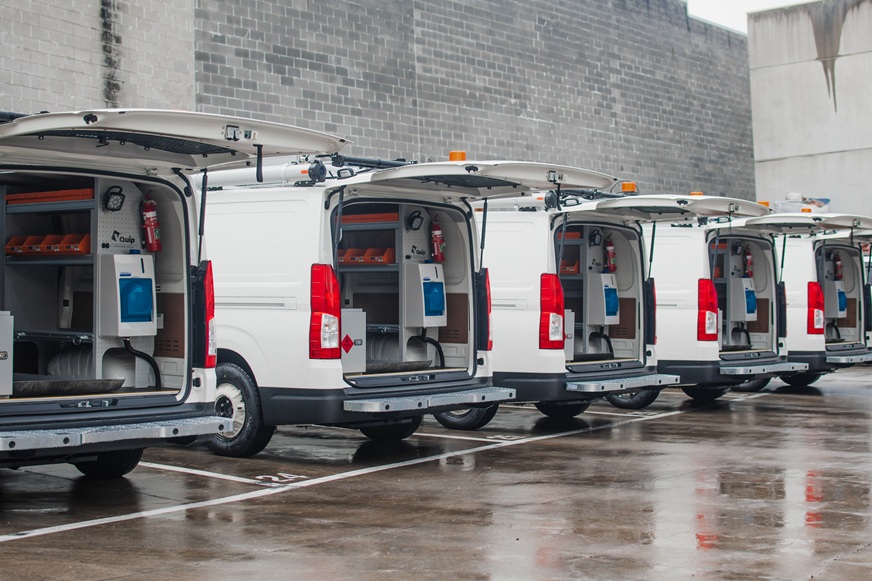
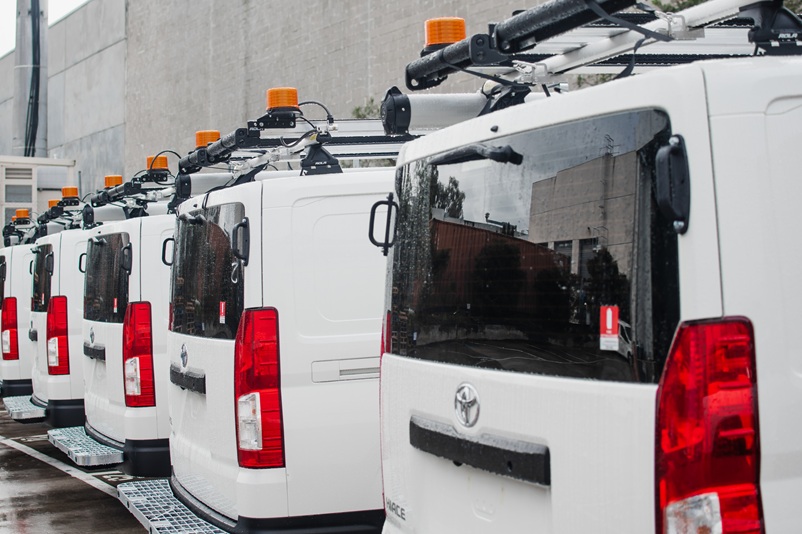
For fleets operating across multiple locations, the schedule needs to extend beyond the completion of each fitout.
Consider where vehicles will be fitted out, how they will reach those locations and how completed vehicles will be delivered or collected. Graphics, additional accessories, internal acceptance checks and technician handover may also need to be coordinated.
A staged rollout may suit operational requirements better than receiving every vehicle at once. It can also provide an opportunity to gather feedback from the first vehicles entering service.
Clear milestones and regular updates help fleet teams coordinate these activities. VQuip’s VHub portal supports that visibility by allowing customers to follow build progress and view completed-build photo QA.
Your early planning checklist
You do not need every detail finalised before starting a discussion. The following information provides a useful foundation:
- Required in-service date: When does the vehicle need to be working?
- Fleet quantities and locations: How many vehicles are required, and where will they operate?
- Vehicle details: Proposed model, variant, factory options and expected delivery timing.
- Operational requirements: Technician roles, typical tasks and working environments.
- Equipment list: Tools, parts and specialist equipment, including dimensions and weights where available.
- Power requirements: Equipment to be powered, expected usage and charging opportunities.
- Existing fitout feedback: What works well, and what needs to change?
- Approval responsibilities: Who reviews the design, approves the prototype and authorises the final specification?
- Rollout arrangements: Fitment locations, transport, graphics, handover and any staged delivery requirements.
Early planning gives vehicle supply, design, production and deployment a shared timeline. It also creates space to resolve practical questions before they become urgent.
If you are planning vehicle replacements or a fleet rollout for 2027, speak with VQuip early to discuss your requirements and build the fitout into your schedule.