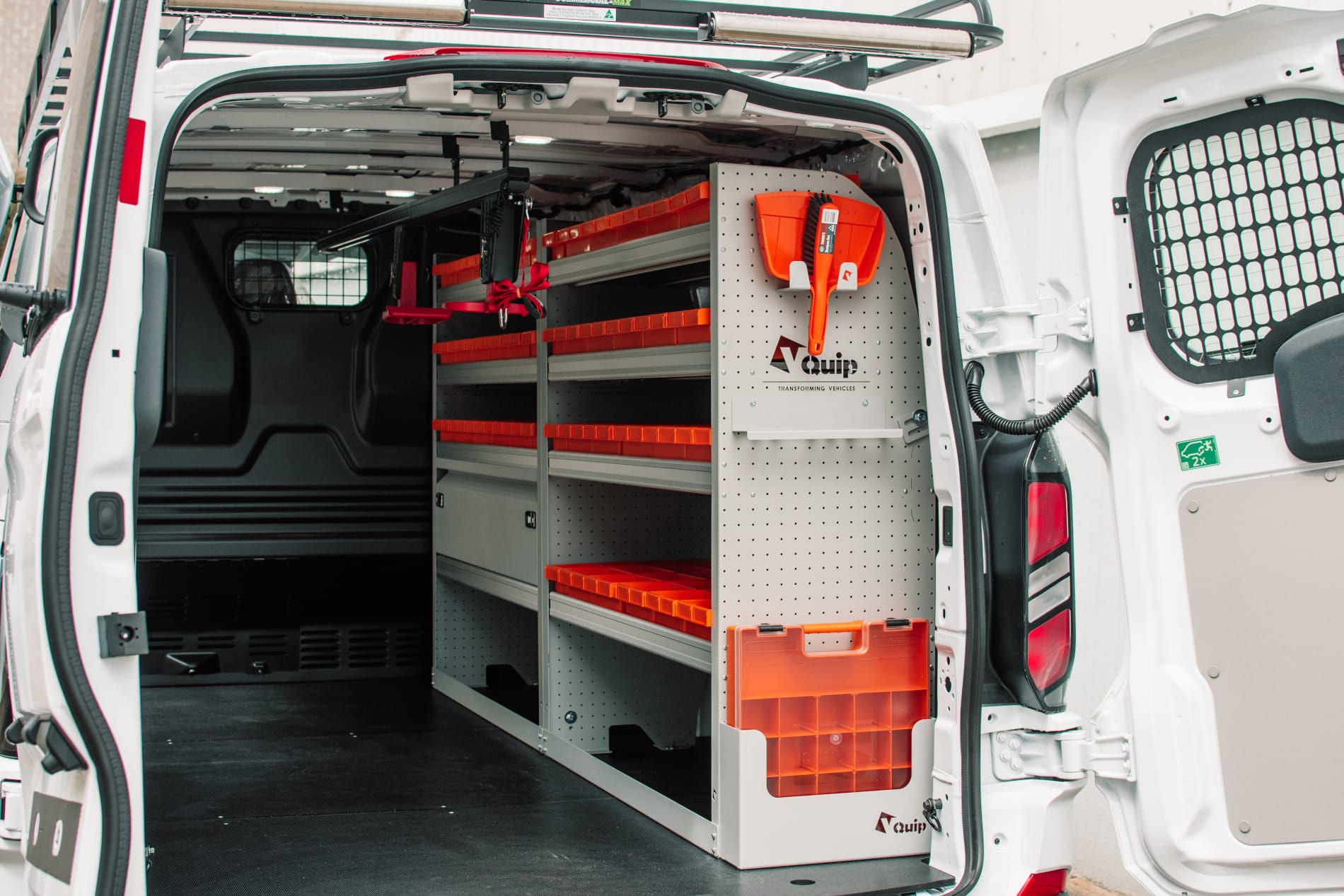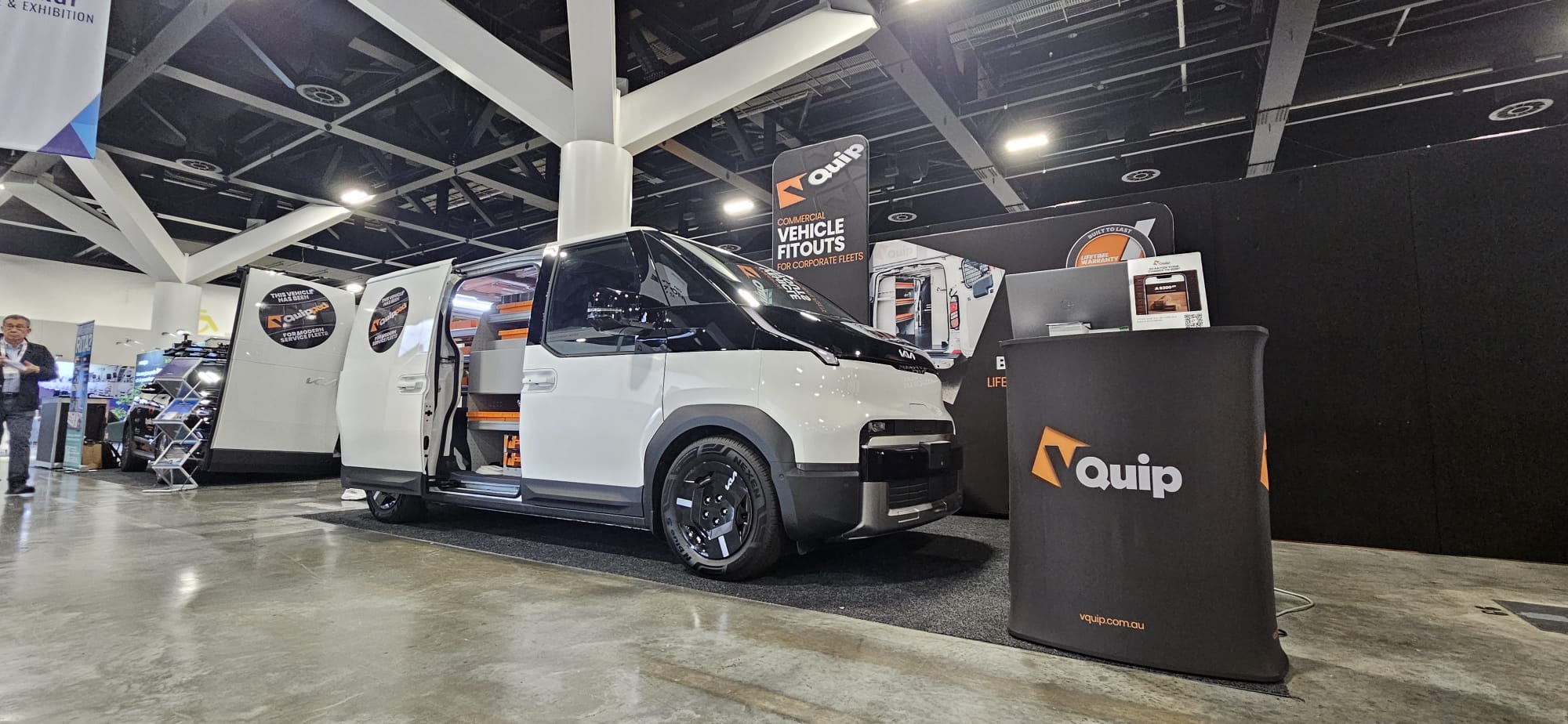
Will the fitout work where the van actually parks?
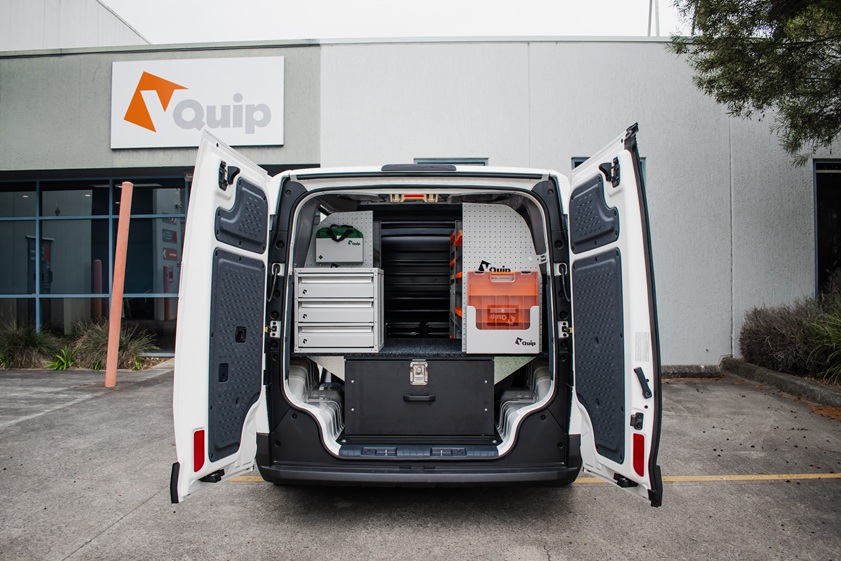
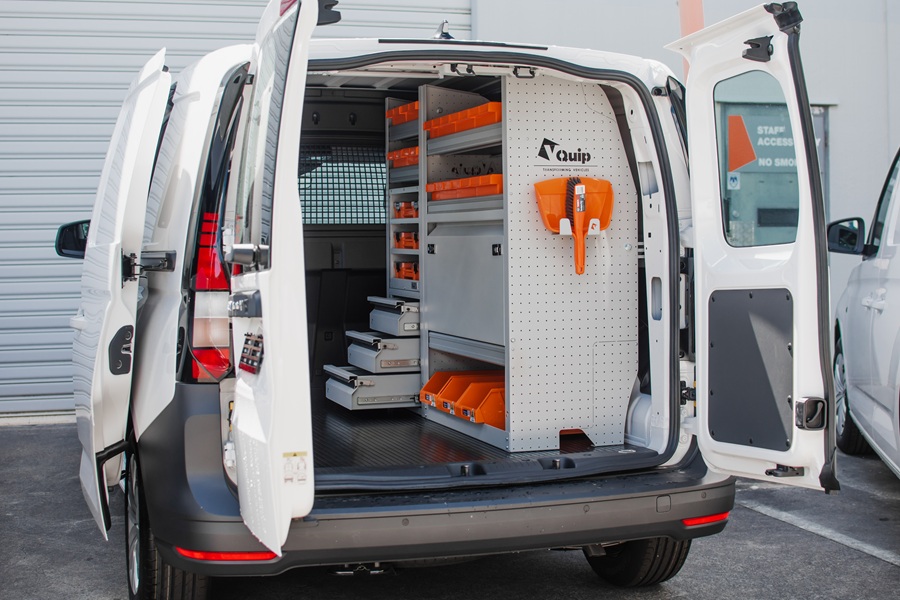
A technician arrives for a service call, reverses into the only available basement bay and goes to collect a tool case. The rear doors open partway before they hit the wall. Even with the doors ajar, there’s too little room to pull out the drawer that holds the case.
In an open workshop, that drawer was easy to use. On site, the technician has to move the van or find another way to reach the equipment. That’s why a fitout brief should cover where the van parks as well as what it carries.
In a basement bay, check the space behind and above the van
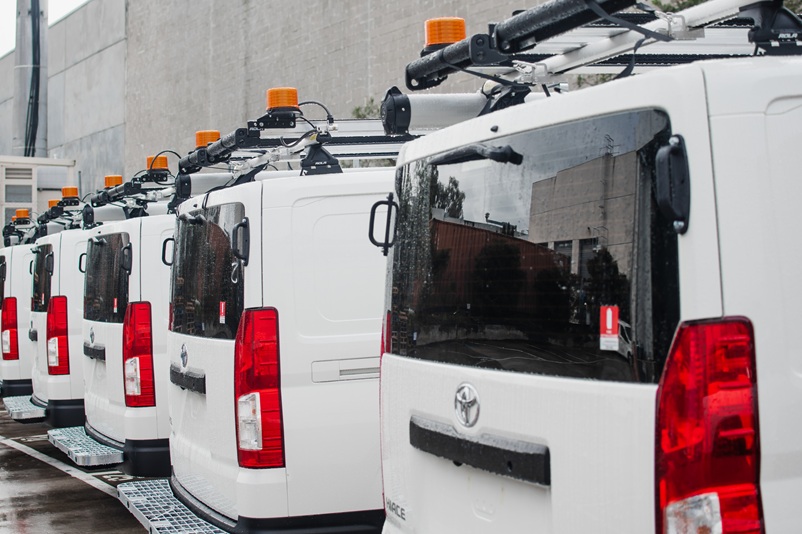
A wall, column or wheel stop can dictate where a van sits. Check how far the rear doors can open from that position and whether there’s room to extend a loaded drawer and stand where you can lift a case out of it. If the van uses a lift-up tailgate, check its opening height. If it carries ladders on the roof, check the vehicle’s overall height with the rack and ladders fitted, as well as the clearance needed to unload them.
Where rear access is regularly limited, the side sliding door might be a better place to position a diagnostic case, hand tools or other equipment used on most calls. If the crew needs a ladder inside a low-clearance site, check whether the ladder they actually use can be stored and removed within the available space.
At the kerb, put everyday gear within reach from the footpath side
On a kerbside callout, think about which door gives the technician practical access from the footpath side. A case might be close to the rear doors on the drawing, but retrieving it can still mean standing behind the van or approaching it from the traffic side. A kerb, bollard or street tree can also limit the space available to lift out equipment.
Group the items a technician typically takes on the first trip to a job, such as a tool bag, test equipment and common fittings, near the door they can use most readily. For a long item such as a ladder, check the full path it takes out of the van, including where the technician needs to stand and turn with it.
In a crowded depot, test how the next shift loads up
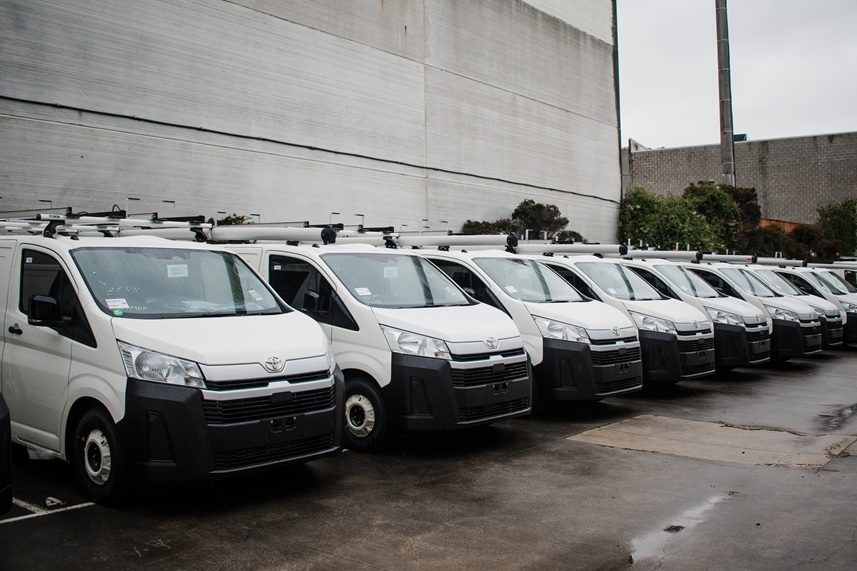
At the depot, vans may be parked close together while several crews load for the day. A rear drawer can be handy on site and still be awkward to restock if there’s another vehicle directly behind it. Think about who loads the van, whether they work from a trolley and how much room they need to handle the largest case or carton.
If vans are usually loaded from one side, consider putting regularly replenished parts within reach of that door. For bulkier equipment that needs rear access, check how the depot can provide enough room for loading.
Bring real parking conditions into the fitout brief
Ask technicians for photos of the places they park most often and note which doors they can usually use. During a layout or prototype review, mark out a representative bay in the workshop and ask someone to retrieve a tool case, open a loaded drawer and remove the ladder they’ll carry. Allow room for the person doing the job as well as the equipment moving through the opening.
If you’re planning your next fleet fitout, bring those photos and a list of the equipment your technicians reach for most often to your VQuip discovery session. They’ll help us work through which items belong at each door and what to check before the layout is signed off.