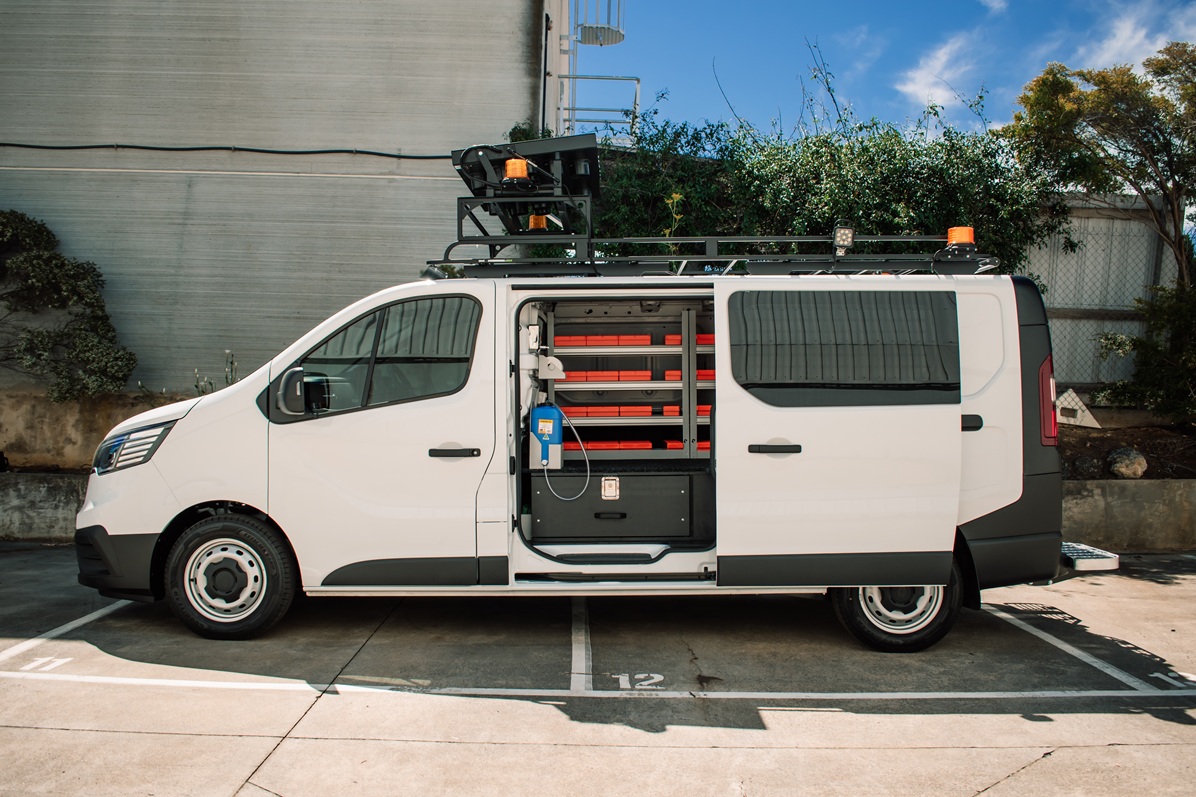
Slips, Trips & Falls: Is Your Work Van Putting Technicians at Risk?
Jul 2, 2026
Every day, thousands of technicians step in and out of their work vehicles dozens of times. Whether it’s an electrician attending multiple service calls, a plumber carrying heavy equipment, or a telecommunications technician working roadside, the vehicle itself becomes a workplace.
While much attention is often given to vehicle safety on the road, one of the most common causes of workplace injuries actually occurs when the vehicle is stationary.
Slips, trips and falls remain one of the leading causes of workplace injuries across Australia, and poorly designed vehicle fitouts can significantly increase that risk.
Your Work Van Is Part of the Workplace
Unlike a warehouse or office, service vehicles present a unique set of challenges.
Technicians are constantly:
- Climbing in and out of the rear cargo area.
- Reaching for tools stored above shoulder height.
- Carrying awkward or heavy equipment.
- Working in wet, muddy or uneven environments.
- Accessing equipment in poor lighting or adverse weather.
These everyday tasks may seem routine, but over hundreds of vehicle entries each week, small hazards can quickly become significant safety risks.
Common Slip, Trip and Fall Hazards
Many incidents can be traced back to relatively simple issues, including:
- Loose tools and materials left on the floor.
- Slippery flooring surfaces.
- Poorly organised storage.
- Items falling from shelving.
- Inadequate lighting inside the cargo area.
- Awkward climbing movements to reach equipment.
- Cables, hoses or extension leads creating trip hazards.
- High step heights without suitable rear access.
Fortunately, most of these risks can be greatly reduced through thoughtful vehicle design.
Good Fitout Design Improves Safety
A well-designed fitout isn’t simply about fitting more equipment into a vehicle. It should make every task easier, faster and safer.
Some important design considerations include:
Everything Has a Home
Dedicated storage locations help eliminate clutter on the vehicle floor.
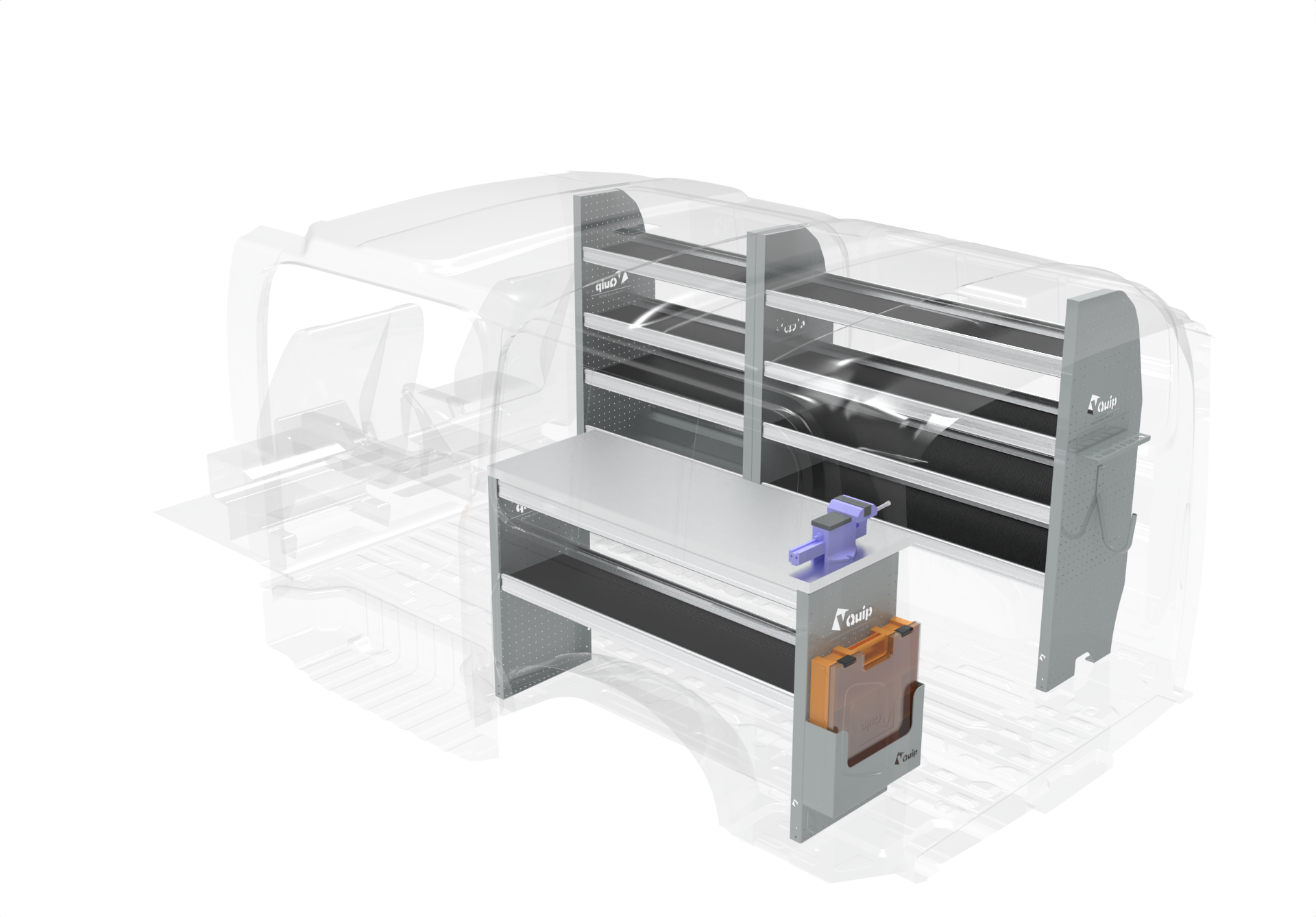
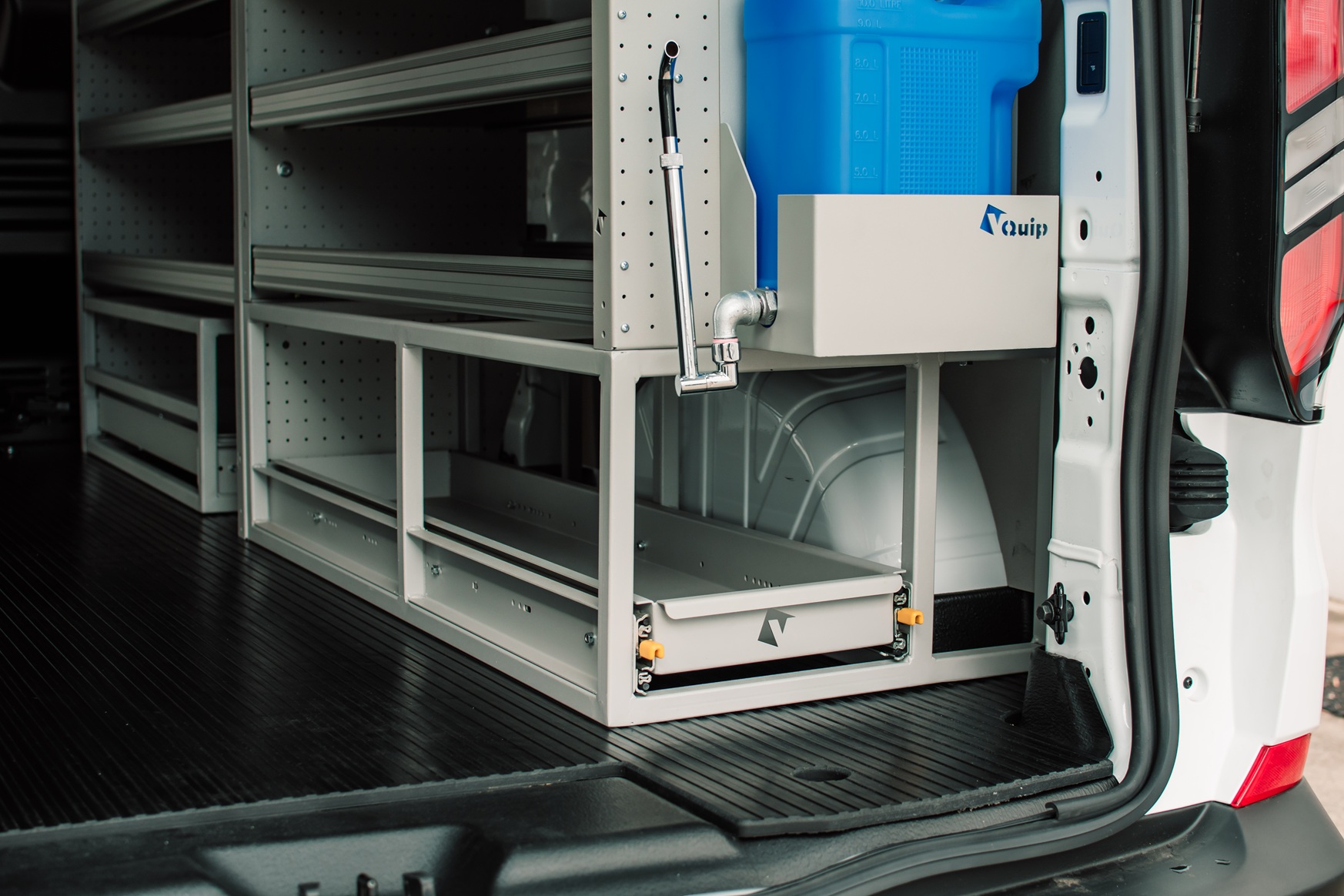
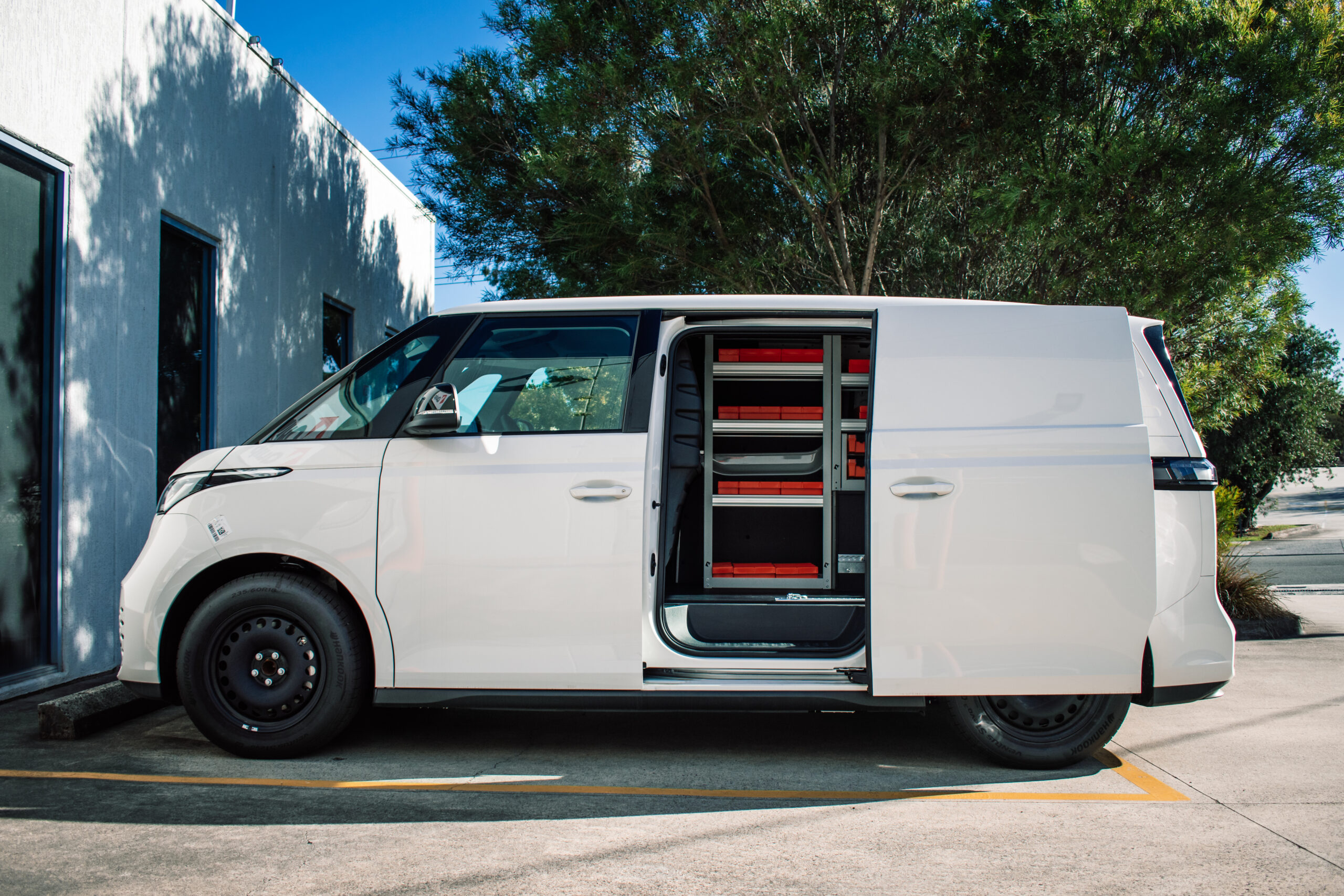
Shelving, drawers, carry case storage and tool holders keep equipment secure during transport while making it easy to return items after use.
Less clutter means fewer trip hazards.
Frequently Used Items Stay Within Easy Reach
The equipment technicians use most should be positioned between knee and shoulder height wherever possible.
Reducing unnecessary stretching, climbing and bending helps minimise fatigue and lowers the risk of losing balance.
Durable, Non-Slip Flooring
Commercial-grade flooring provides improved grip compared to bare vehicle floors while protecting the vehicle itself.
Rubber matting can also improve traction in wet conditions and reduce wear over the life of the vehicle.
Secure Storage Prevents Falling Objects
Drawers with positive locking systems, enclosed cupboards and properly restrained shelving prevent equipment from shifting during transit.
This not only protects the vehicle and its contents but also reduces the chance of tools falling when doors are opened.
Good Lighting Matters
Many technicians start work before sunrise, finish after dark or work inside underground car parks and plant rooms.
Bright LED cargo lighting improves visibility, making it easier to safely locate equipment while reducing the risk of trips and incorrect tool selection.
Rear Access Shouldn’t Be an Afterthought
One of the highest-risk areas is the rear of the vehicle.
Repeatedly climbing into the cargo area can place strain on knees, ankles and backs.
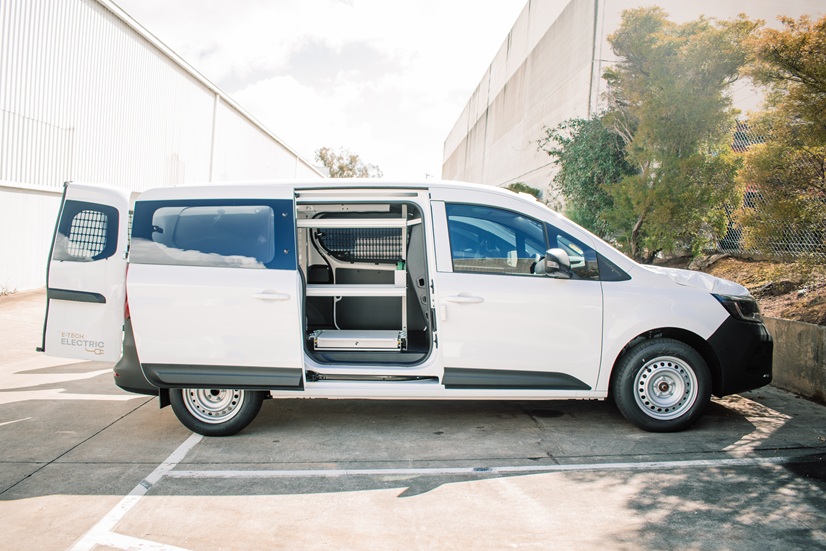
Depending on the application, features such as rear steps, grab handles, slide-out drawers or equipment mounted closer to the rear doors can significantly reduce awkward movements.
Small ergonomic improvements often deliver substantial long-term benefits.
Organisation Improves More Than Safety
A tidy, organised vehicle doesn’t just reduce injury risk.
It also helps technicians:
- Find tools faster.
- Spend less time searching for equipment.
- Reduce forgotten or misplaced items.
- Improve first-time fix rates.
- Present a more professional image to customers.
Safety, productivity and professionalism often go hand in hand.
Fleet Managers Have an Important Role
Vehicle safety shouldn’t stop once the vehicle leaves the workshop.
Regular inspections help ensure:
- Storage systems remain secure.
- Drawer latches and locks continue to operate correctly.
- Flooring remains in good condition.
- Lighting is functioning properly.
- Equipment is stored in its designated location.
Simple housekeeping routines can prevent many avoidable incidents.
Designing for the Real World
Every technician works differently, which is why involving end users during the design phase is so valuable.
Understanding how tools are used, how often equipment is accessed and what tasks are performed each day allows vehicle layouts to be designed around real workflows rather than assumptions.
The result is a safer, more efficient mobile workplace that supports technicians throughout the life of the vehicle.
Final Thoughts
Slips, trips and falls are often viewed as unavoidable workplace risks, but many can be prevented through smarter vehicle design.
By creating organised storage, improving access to equipment, reducing clutter and considering technician ergonomics, fleet operators can help improve safety while also boosting productivity and vehicle efficiency.
A commercial vehicle isn’t just a way to transport people and equipment—it’s a workplace. And like any workplace, it should be designed with safety as a priority from day one.