The fleets behind Australia’s data centre growth
Oct 13, 2026
Australia’s expanding data centre sector is creating opportunities for the contractors that build, connect and maintain these facilities. Behind each development is a network of electrical, mechanical, telecommunications, fire protection, security and facilities service teams.
For these businesses, supporting a large data centre project starts well before a technician reaches the site. Their vehicles need to carry the right tools, protect specialist equipment and support the way their teams work.
As contractors review their capacity to take on new projects, the vehicle fitout deserves a place in that planning.
A growing sector with a broad support network
Demand for cloud services and artificial intelligence is driving investment in data centre infrastructure. NEXTDC’s April 2026 announcements outlined substantial growth in contracted capacity and a capital plan to support further development: nextdc.com
The opportunity extends across the facility lifecycle. Construction brings installation work. Commissioning requires testing and verification. Once operational, facilities need planned maintenance, inspections, upgrades and fault response.
These stages place different demands on contractor fleets. An electrical installation crew transporting tools and consumables may need a different layout from a maintenance technician carrying diagnostic instruments and selected spares.
Understanding those differences is the starting point for a useful fitout.
Electrical and power infrastructure contractors
Electrical contractors supporting data centre projects may work across cable installation, distribution equipment, controls and associated power systems, depending on their scope.
Their vehicles can carry a mix of bulky tools, small components, portable equipment and sensitive test instruments. Without defined storage, these items compete for space and become harder to find.
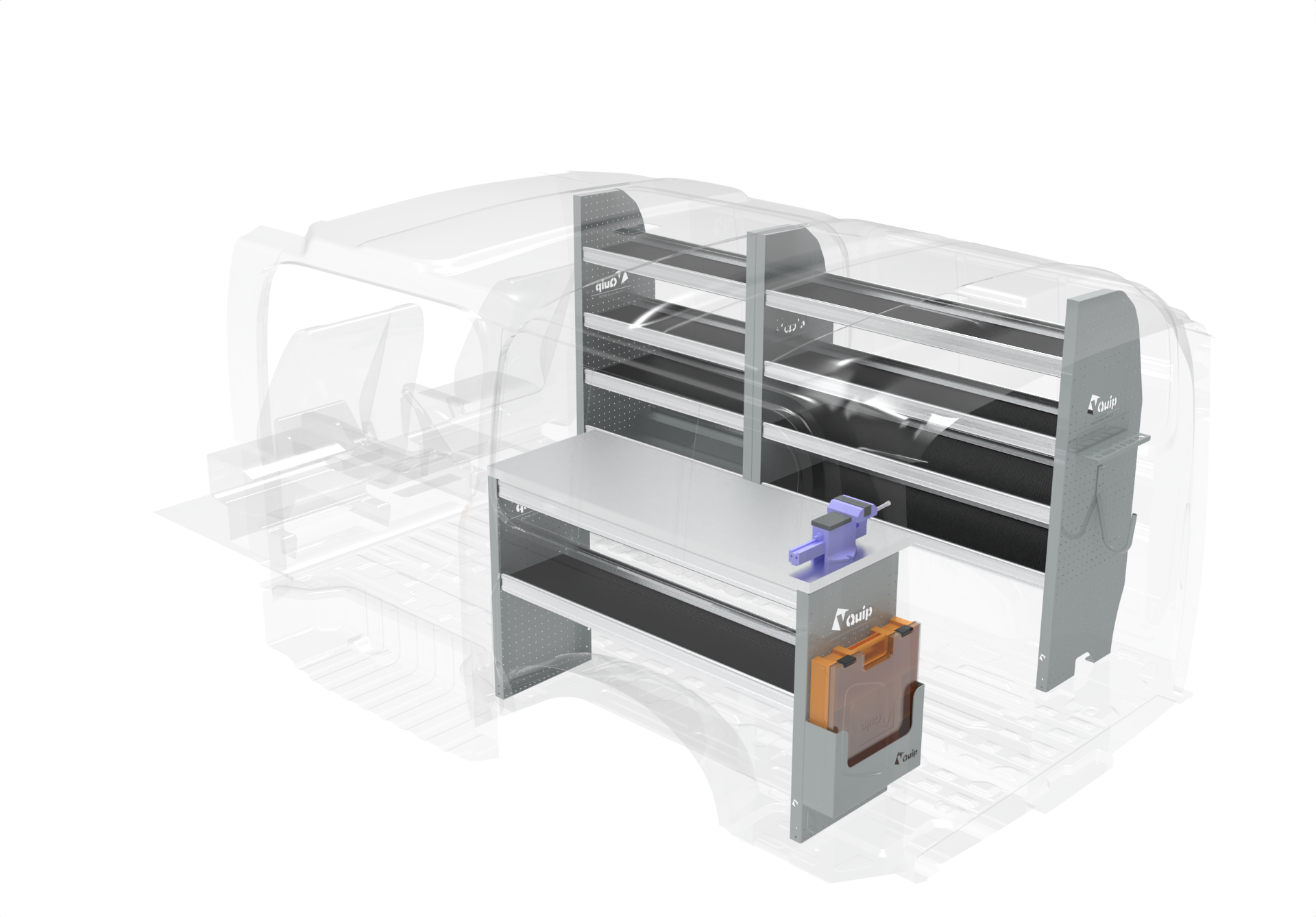
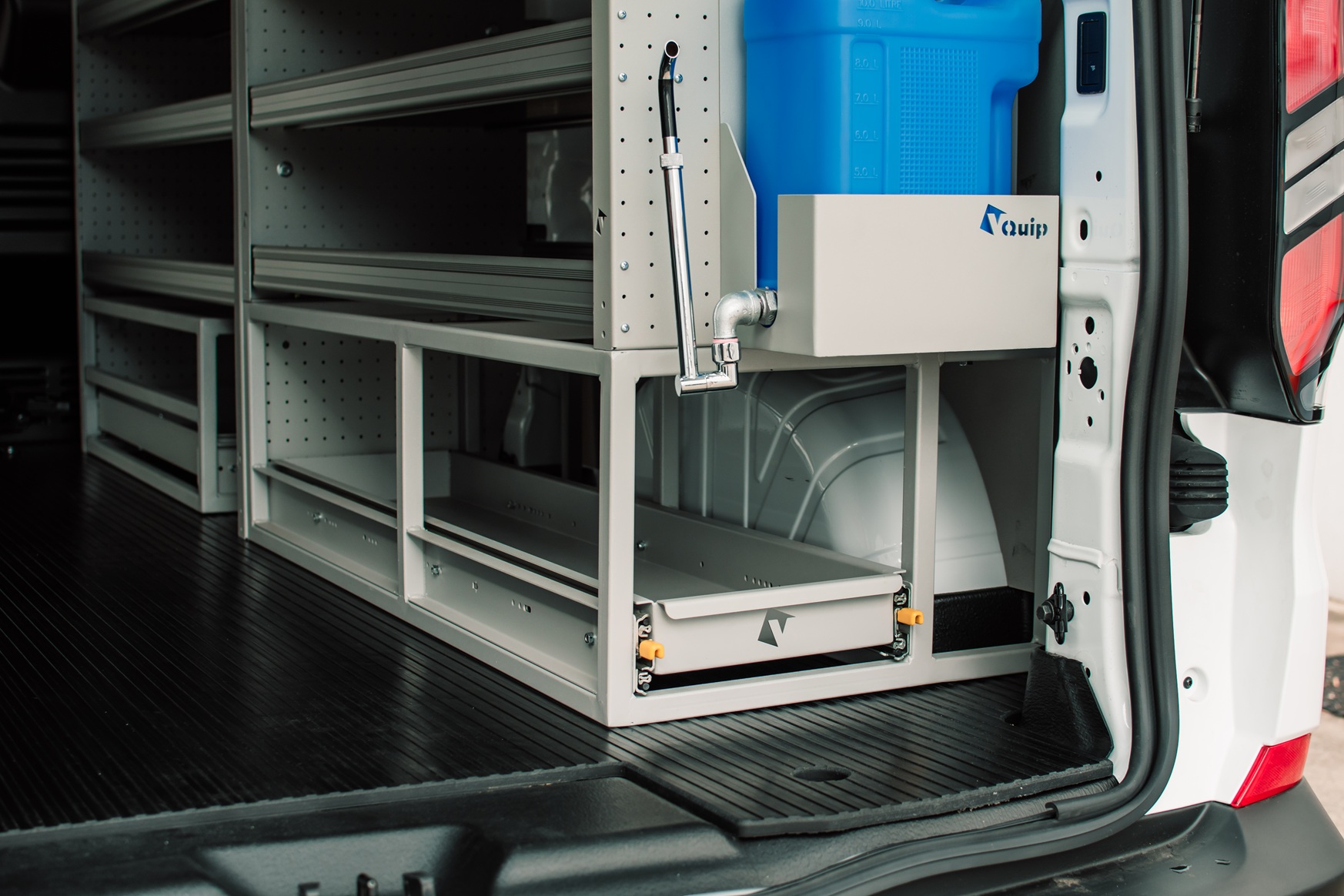
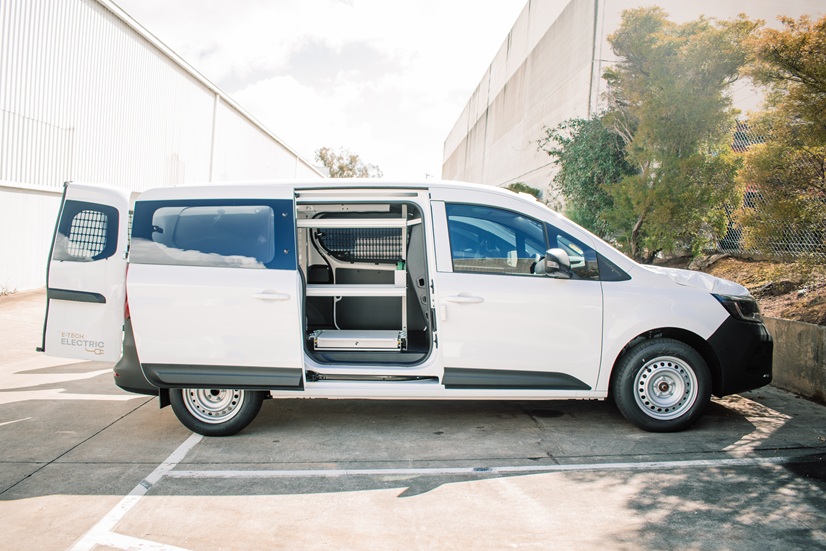
A considered fitout can provide dedicated positions for equipment cases, drawers for frequently used components and accessible storage for everyday tools. Long-item storage may also be useful where the vehicle and load requirements allow.
The aim is to organise the vehicle around the technician’s tasks. Equipment used on nearly every visit should be easy to retrieve, while heavier items need suitable storage and restraint.
HVAC and mechanical services contractors
Cooling is a central part of data centre infrastructure, creating work for HVAC and mechanical contractors involved in installation and ongoing servicing.
Depending on their role, technicians may need to transport service tools, pumps, hoses, fittings, replacement components and diagnostic equipment. Some items need to remain clean and protected; others return to the vehicle dirty after use.
Fitout planning should account for that mix. Dedicated case storage, organised parts drawers and separation between clean instruments and used equipment can help create a more practical workspace.
It is also worth asking whether installation and maintenance teams should share the same layout. A construction crew carrying larger equipment may need open load space, while a service technician may benefit from more storage for parts and instruments.
Telecommunications and structured cabling teams
Data centre connectivity work brings another set of vehicle requirements. Fibre and structured cabling technicians may carry testing equipment, termination tools, patch leads, connectors and installation consumables.
Small components can be difficult to manage without clear storage locations. Precision equipment also needs protection from loose tools and movement in transit.
Dedicated equipment compartments, labelled bins and secure case storage can help teams keep track of what they carry. Where relevant to the work, a suitable work surface can support preparation tasks outside the facility.
The design should reflect the actual equipment inventory, including case dimensions and how often each item is accessed.
Fire protection, security and facilities maintenance
Supporting fleets also include contractors servicing fire protection systems, access control, security equipment and broader building services.
These teams may move between scheduled inspections, minor repairs and reactive callouts. Their vehicles need to support that variety without becoming crowded with poorly organised stock.
A useful fitout gives common tools and spares a defined home, supports stock checks and leaves room for equipment needed on particular jobs.
Organised storage can also support replenishment. When there is a clear location for each item, missing or depleted stock is easier to identify before the next visit.
From carrying equipment to supporting the workflow
Across these industries, a good fitout begins with a few practical questions:
- What does the team carry on a normal day?
- Which tools and parts are used most frequently?
- What needs protection, separation or additional restraint?
- How does equipment move from the vehicle to the work area?
- What needs to happen when used equipment returns to the vehicle?
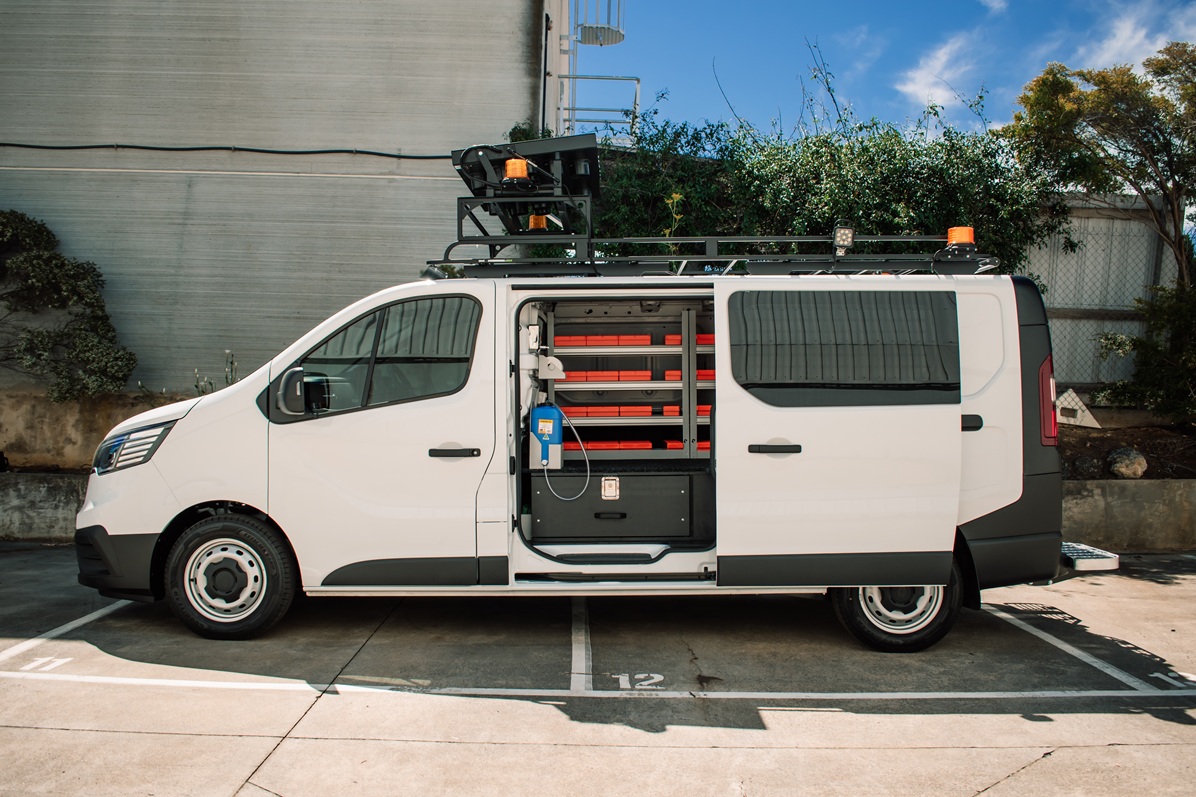
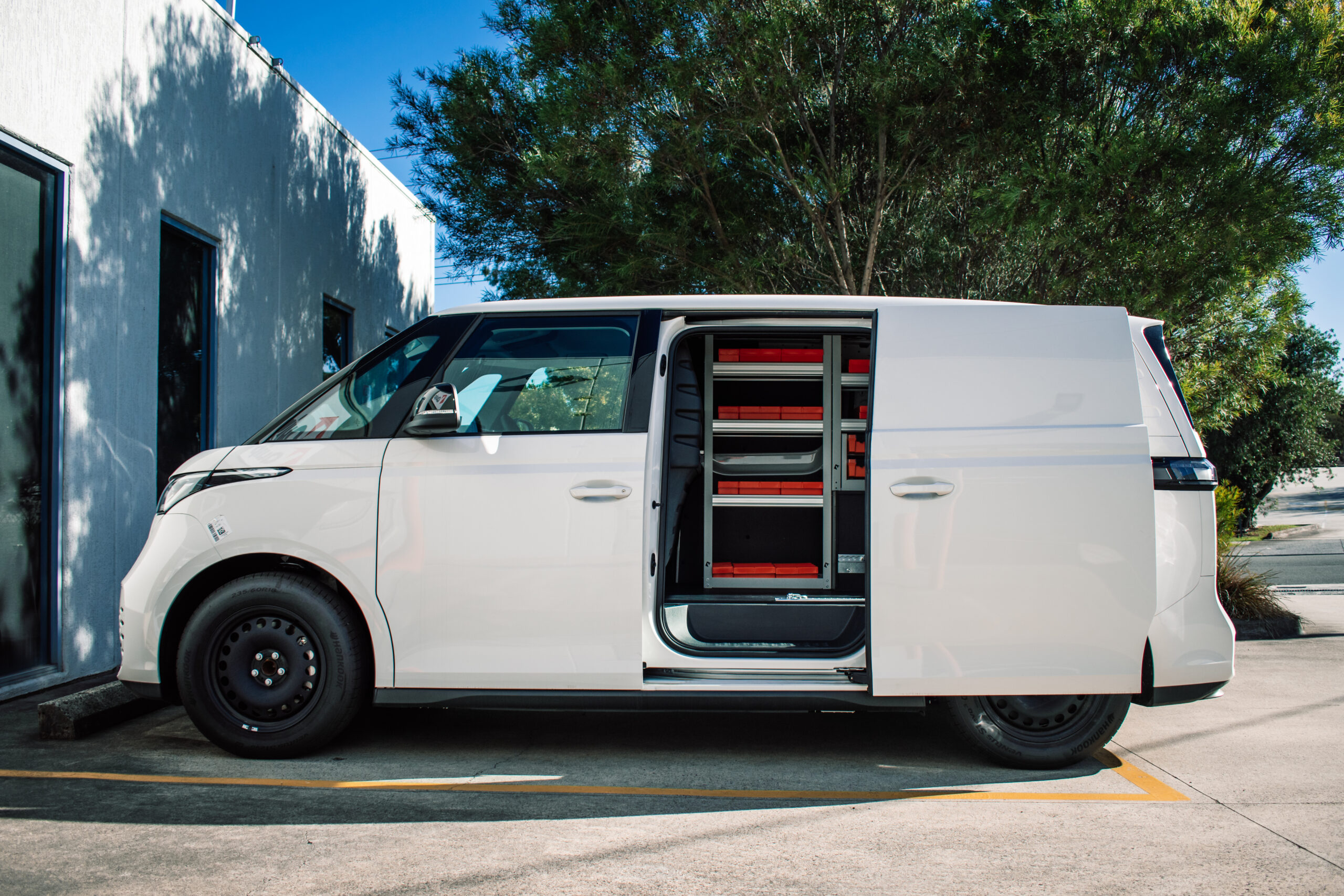
For example, a technician may need to unload a test equipment case, hand tools and consumables together. Storing those items in accessible positions can make preparation more straightforward.
The return journey matters too. Used tools, waste and unused parts need somewhere to go without disrupting the rest of the load.
The vehicle’s payload must also be considered. Shelving, flooring, drawers, tools, stock and any auxiliary power equipment all contribute to the loaded weight. Vehicle selection and fitout design should therefore be reviewed together.
Building consistency as contractor fleets expand
For contractors taking on work across several projects or locations, fleet growth is an opportunity to establish a repeatable vehicle standard.
A common layout can make it easier for technicians to find equipment when moving between vehicles. Defined variations can then accommodate electrical, mechanical, communications and maintenance roles.
Involving technicians early helps identify practical requirements before the design is repeated across a fleet. Reviewing a prototype can also reveal access or storage issues that are less obvious in a concept drawing.
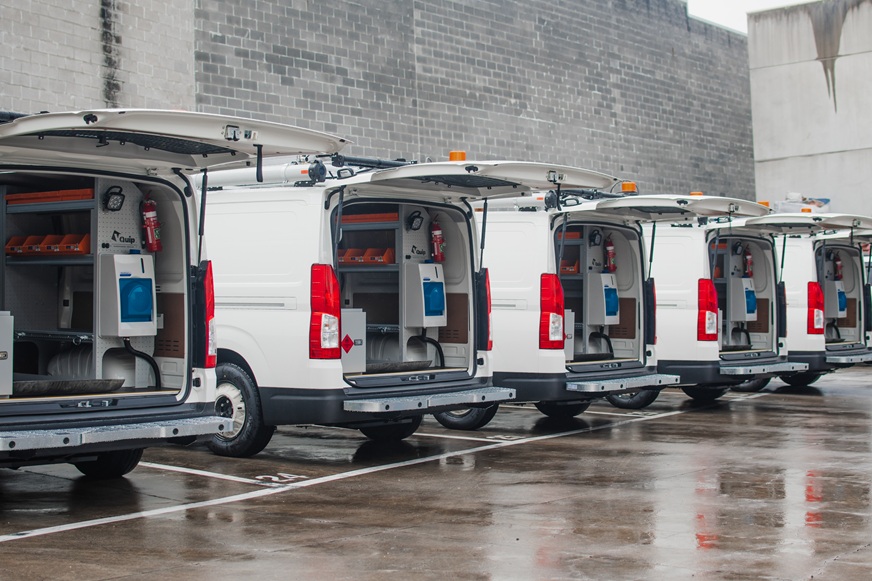
VQuip supports this process through fitout design, prototyping and national rollout coordination. VHub gives fleet teams visibility of build progress and access to QA documentation and photographs as vehicles are completed.
Preparing fleets for the next opportunity
Australia’s data centre growth brings fleet planning questions for the businesses supporting it. Contractors need to consider whether their vehicles suit the equipment, workflows and service responsibilities of the work they are pursuing.
A fitout designed around those requirements can help teams keep equipment organised, arrive prepared and maintain a consistent working environment across their fleet.
VQuip works with electrical, mechanical, telecommunications, infrastructure and facilities service businesses to develop fitouts around their operational needs. Contact our team to discuss the vehicles, equipment and workflows your next fleet program needs to support.