What Fire Protection Contractors Need from a Service Vehicle
May 17, 2026
For fire protection contractors, a service vehicle is far more than just transport between jobs. It’s a mobile workshop, storage facility, and operational hub that directly impacts technician productivity, safety, and response times.
Whether servicing fire extinguishers, maintaining alarm systems, working on sprinkler infrastructure, or carrying out emergency rectification works, technicians rely on having the right equipment organised, accessible, and secure throughout the working day.
A poorly designed van fitout can lead to wasted time, damaged equipment, manual handling risks, and reduced first-time fix rates. On the other hand, a well-designed service vehicle helps technicians work faster, stay organised, and present professionally onsite.
At VQuip, we work with fleet operators across Australia to develop practical vehicle fitout solutions engineered for real-world service environments.
Efficient Parts Organisation Is Critical
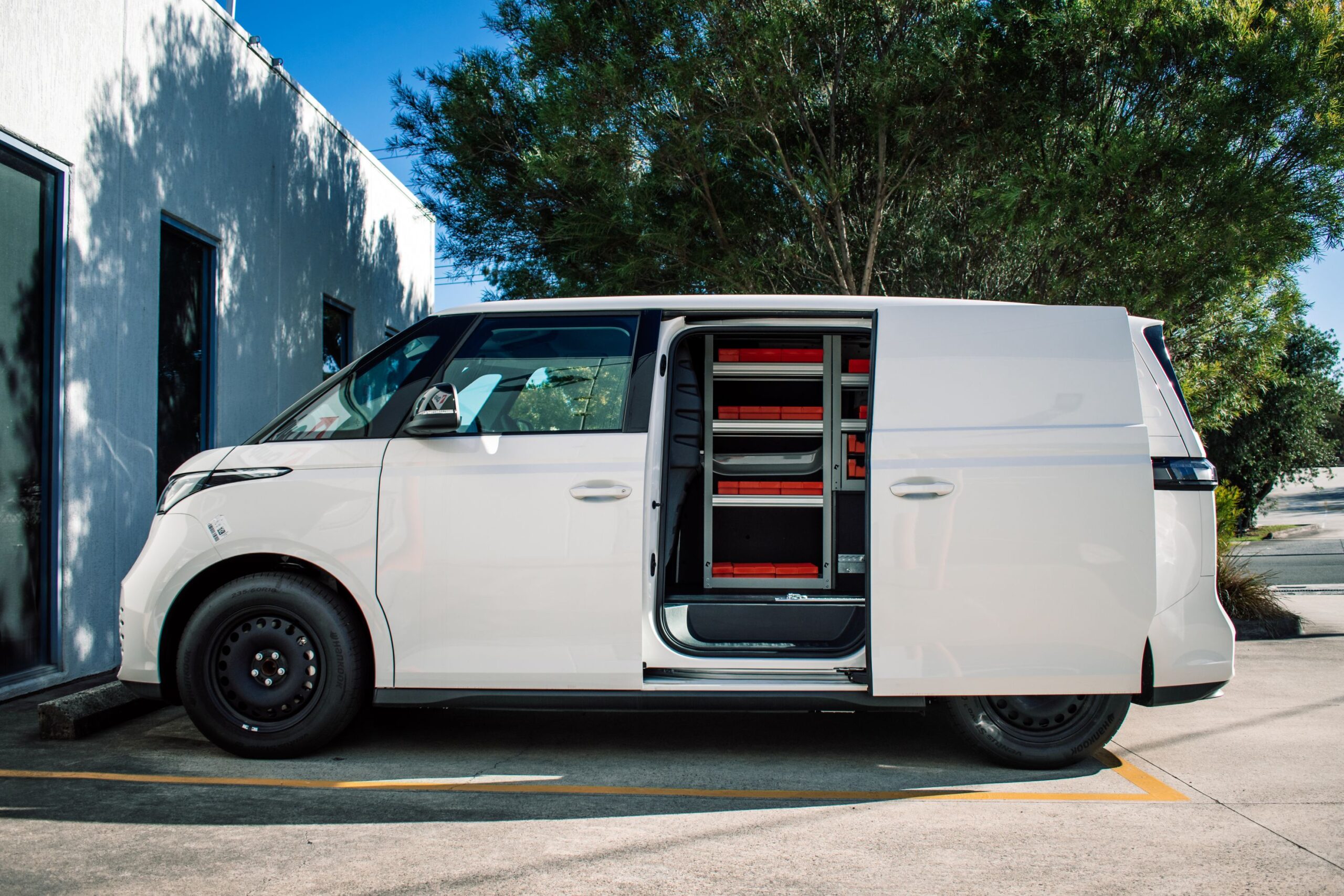
Fire protection technicians often carry a wide range of components, fittings, consumables, and testing equipment. Without proper organisation, valuable time can quickly be lost searching through tubs, boxes, or loose stock in the cargo area.
A properly designed shelving system allows technicians to:
- Quickly identify and access parts
- Separate stock categories logically
- Reduce damaged or lost components
- Improve stock visibility
- Keep frequently used items within easy reach
For fire maintenance contractors, organisation directly impacts productivity. When technicians can immediately locate fittings, valves, cable accessories, detectors, extinguisher components, or consumables, jobs can be completed more efficiently with less downtime onsite.
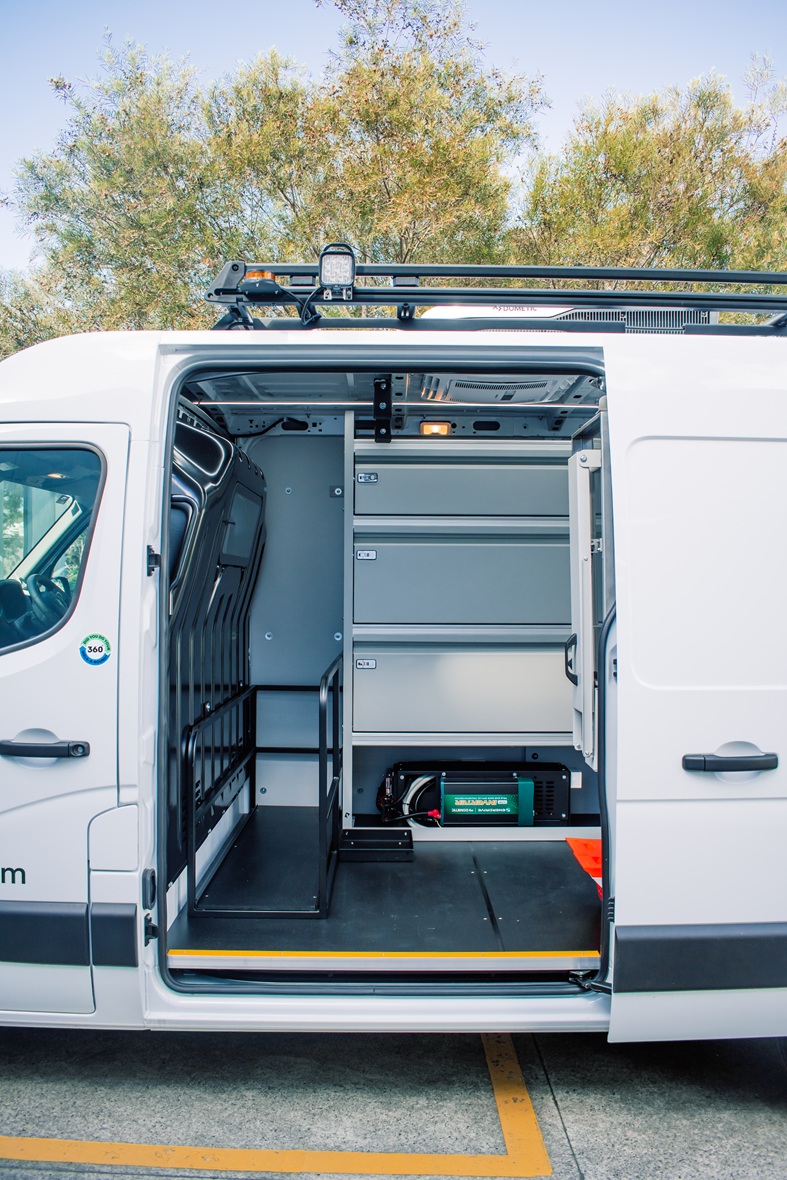
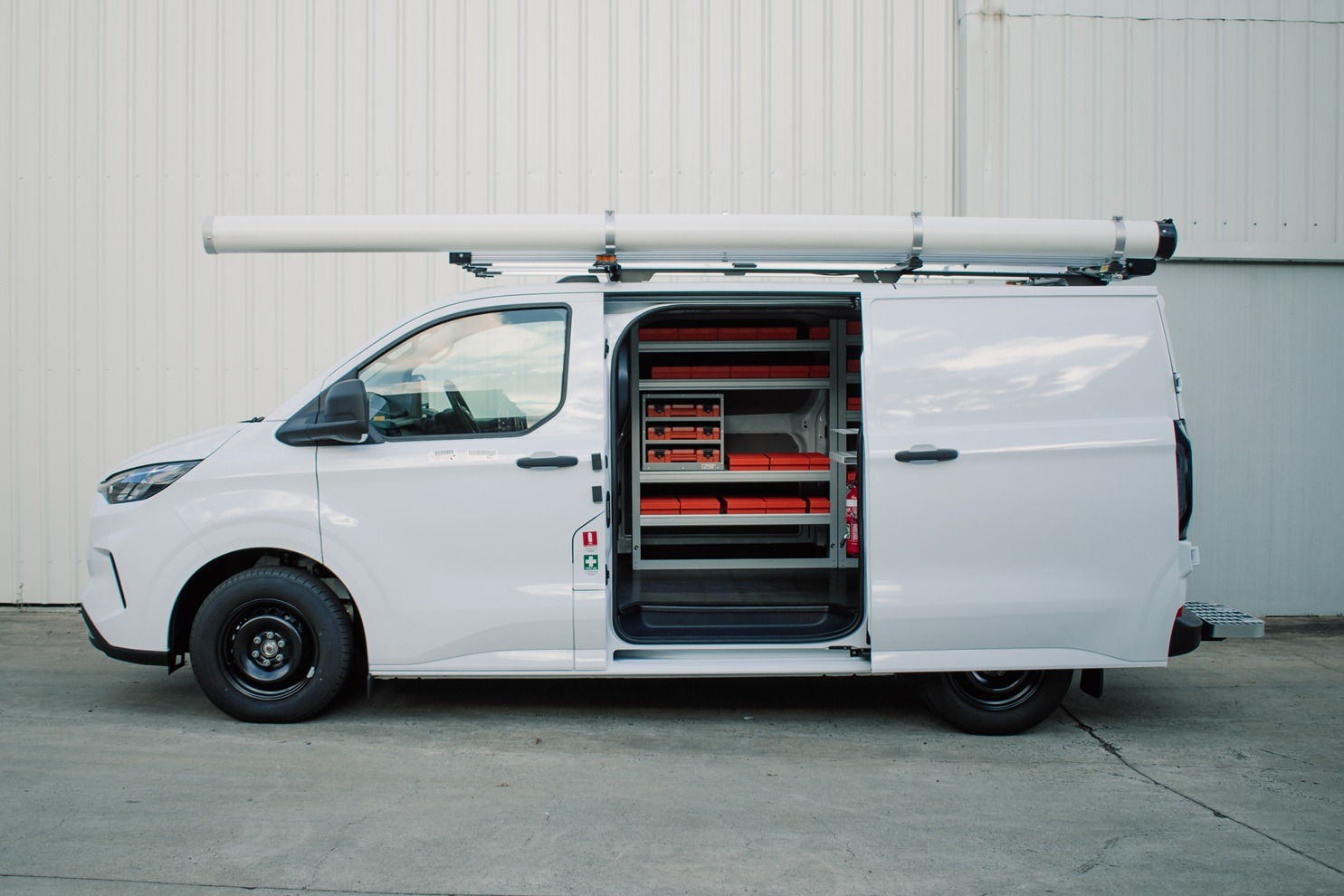
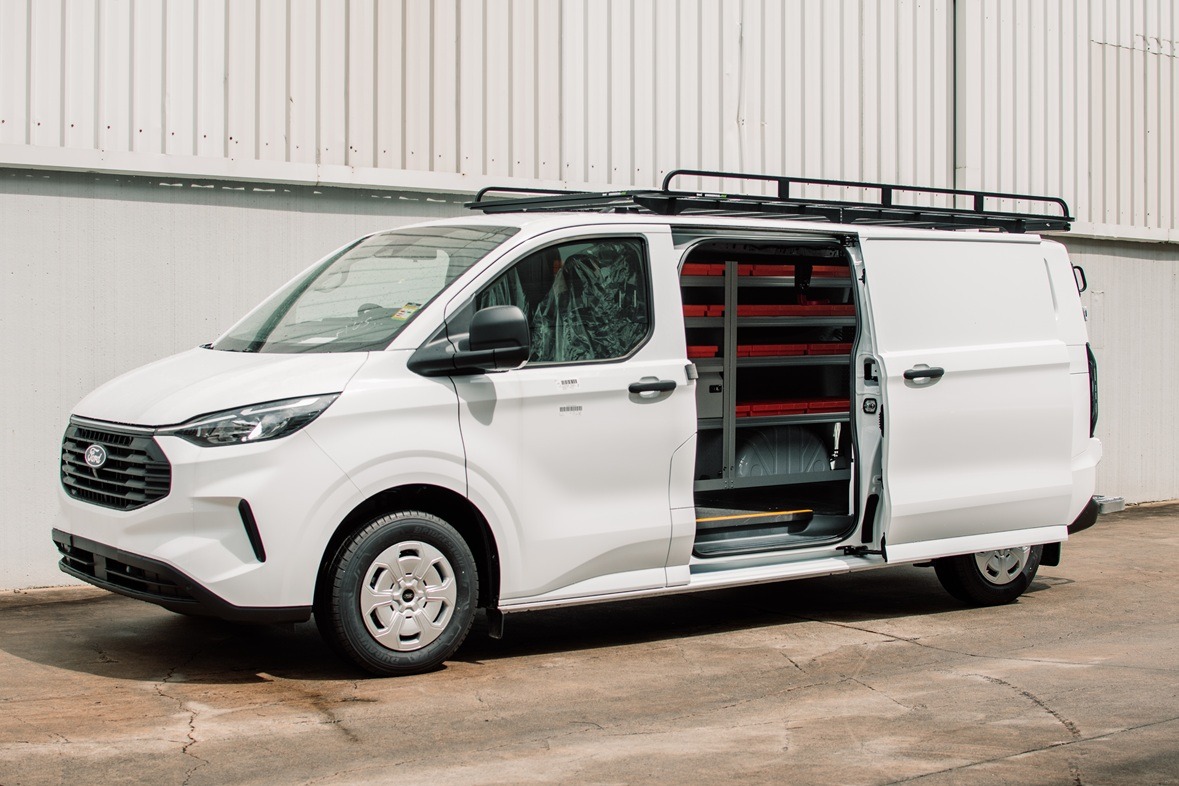
VQuip’s shelving systems are designed to maximise storage while maintaining accessibility and load restraint during day-to-day vehicle operation.
Fire Extinguisher Service Technicians Need Efficient Mobile Workspaces
Fire extinguisher service technicians often carry a large volume of equipment throughout the day, including replacement extinguishers, pressure testing equipment, spare parts, hose reels, compliance tags, brackets, and safety signage.
Without proper storage systems, vehicles can quickly become cluttered and difficult to work from.
A well-designed fitout helps technicians:
- Securely store extinguishers of various sizes
- Access testing equipment quickly
- Organise replacement parts and consumables
- Improve stock visibility
- Maintain a cleaner and more professional vehicle presentation
Many fire extinguisher service fleets also benefit from:
- Open rear access for faster unloading
- Adjustable shelving systems
- Drawer systems for smaller parts
- Lockable storage for tools and testing equipment
- Easy-clean surfaces to handle workshop debris and dust
By improving organisation and accessibility, technicians can spend less time searching for equipment and more time completing work onsite.
Carry Case Storage Helps Protect Valuable Equipment
Many fire services technicians rely heavily on specialised tools and testing equipment. From alarm testing devices through to cordless power tools and diagnostic equipment, secure storage is essential.
Carry case storage systems provide:
- Dedicated locations for expensive tools
- Reduced movement and damage during transit
- Faster loading and unloading
- Improved organisation and accountability
- Cleaner, more professional vehicle presentation
Integrated carry case systems also help reduce clutter throughout the vehicle, allowing technicians to work more efficiently and safely.
For larger fleet operations, standardised carry case layouts can also improve consistency between vehicles and simplify onboarding for new technicians.
Ladder Storage Needs To Be Safe and Accessible
Ladders remain essential equipment for many fire protection contractors, particularly those servicing alarm systems, sprinkler infrastructure, emergency lighting, and ceiling-mounted equipment.
However, poorly managed ladder storage can create:
- Manual handling risks
- Vehicle damage
- Reduced cargo access
- Safety hazards during loading and unloading
Roof rack systems designed specifically for commercial fleet applications allow technicians to safely transport ladders, conduit, and longer equipment without compromising internal cargo space.
Features such as rear rollers, ladder restraints, and side-access systems can significantly improve usability and reduce physical strain on technicians throughout the day.
Pipe and Conduit Transport Requires Proper Planning
Fire services vehicles often need to transport longer items such as:
- Conduit
- Pipe
- Sprinkler components
Without dedicated transport solutions, these items can become difficult to manage and may create safety concerns inside the cargo area.
Many fleets benefit from:
- Roof-mounted conduit carriers
- Internal pipe tube systems
- Dedicated load restraint points
- Clear separation between equipment and consumables
Planning for long-item storage during the design stage helps maximise usable space within the vehicle while maintaining safe access to tools and components.
Improving First-Time Fix Efficiency
One of the biggest operational advantages of a well-designed service vehicle is improved first-time fix capability.
When technicians have:
- Better organisation
- Improved parts visibility
- Easier access to tools
- Reliable equipment storage
- Consistent vehicle layouts
…they are more likely to complete jobs efficiently during the first site visit.
This not only improves technician productivity, but also:
- Reduces repeat attendance costs
- Minimises vehicle downtime
- Improves customer satisfaction
- Increases fleet utilisation
- Reduces operational inefficiencies
For national fleet operators, even small improvements in daily efficiency can deliver significant long-term operational savings across an entire fleet.
Designing Vehicles Around Real-World Workflows
No two fire protection businesses operate exactly the same way. Some technicians may focus primarily on extinguisher servicing, while others carry larger volumes of sprinkler components, testing equipment, alarm systems, or maintenance stock.
The most effective service vehicle fitouts are designed around:
- Daily workflows
- Common equipment carried
- Technician movement patterns
- Safety requirements
- Future scalability
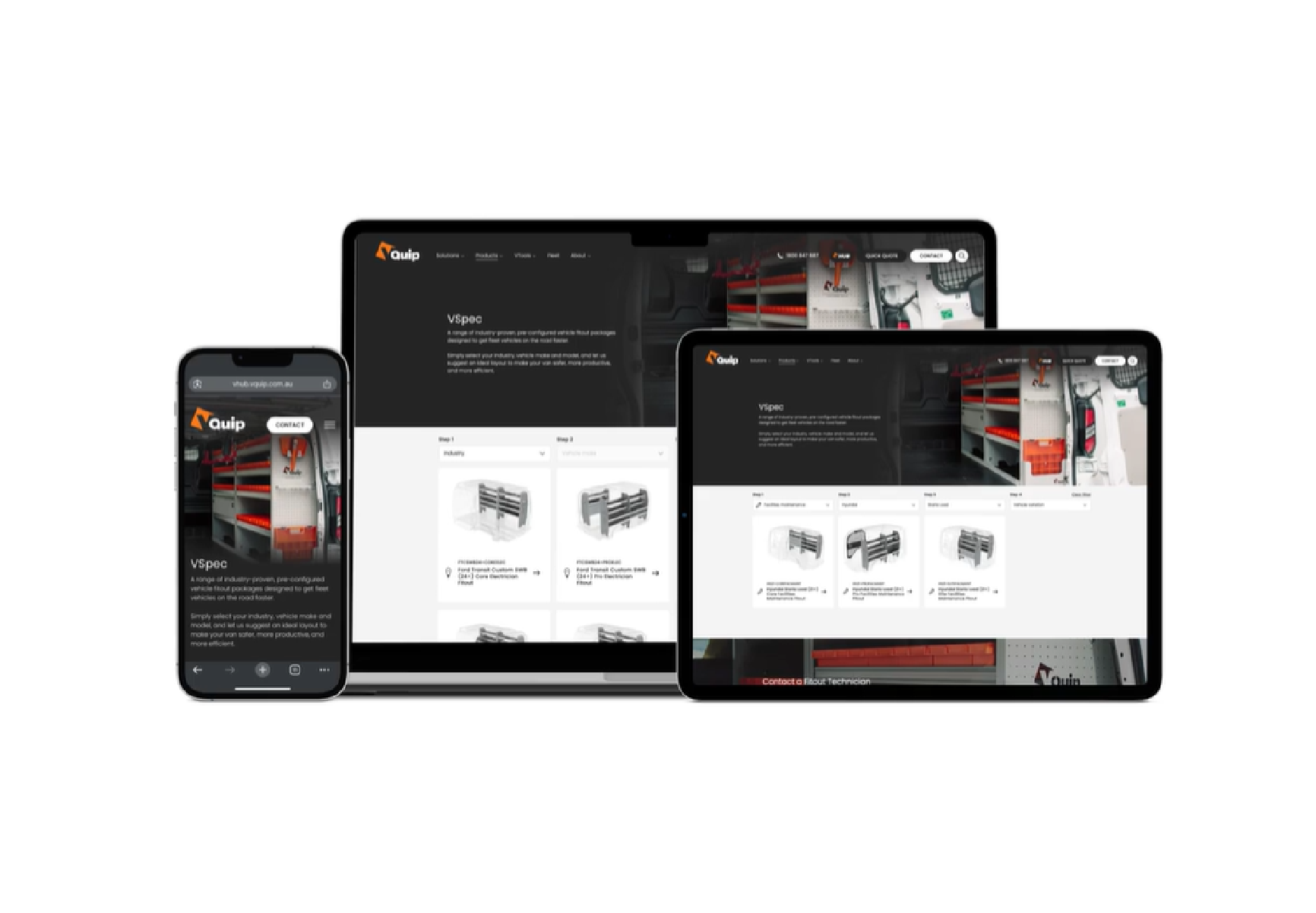
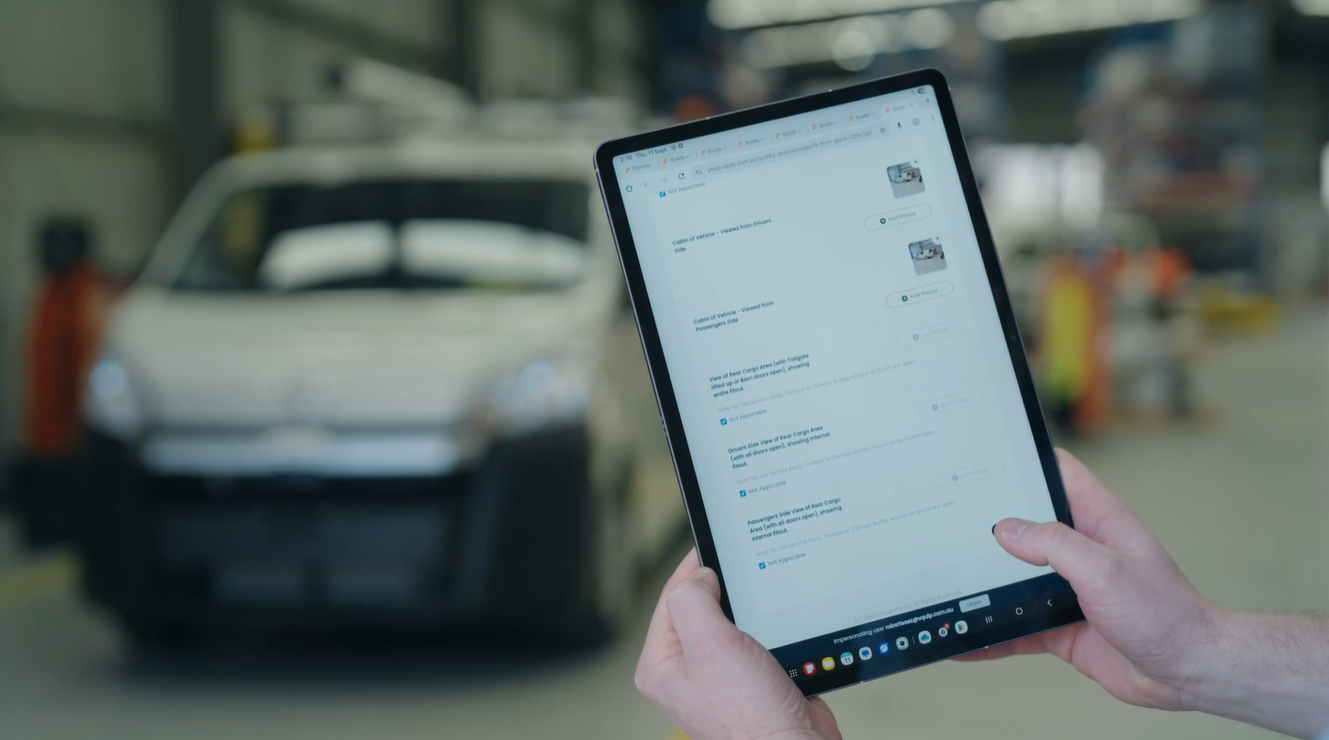
At VQuip, we work closely with fleet operators to develop practical fitout solutions that improve organisation, safety, and operational efficiency for technicians in the field.
From shelving systems and carry case storage through to roof storage, electrical systems, and fleet standardisation, the goal is always the same:
To help technicians work safer, faster, and more efficiently every day.