Before you order 50 vans, spend a day with a technician
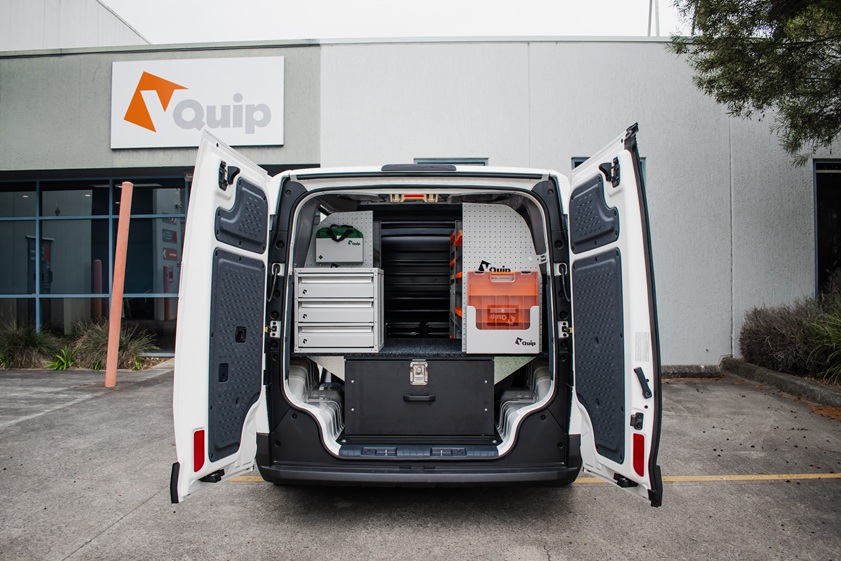
A drawer can look perfectly positioned on a fitout drawing. Then you watch a technician reach for the same box of fittings at every callout and realise that drawer belongs next to the sliding door.
Small details like this are easy to miss when you’re working from an equipment list. The list tells you what the van needs to carry. A day in the field shows you when each item is used, which door the technician opens to get it and what else is in the van at the time. On a 50-van rollout, those observations are worth capturing before the first build.
7 am. Loading up at the depot
The technician loads a tool case, a crate of parts for the first job and a larger piece of equipment. By the time everything is in, the crate is blocking the parts drawers. It gets moved again at the first stop, then shifted back before the van can leave.
That’s a detail worth adding to the brief. Give job-specific crates a dedicated spot where they can be secured and check that drawers can still open with the van loaded. It’s also worth watching the order in which equipment goes in and comes out. If a bulky tool case is needed on most jobs, putting it somewhere accessible can save the technician from moving other gear every time they need it.
10 am. At the second callout
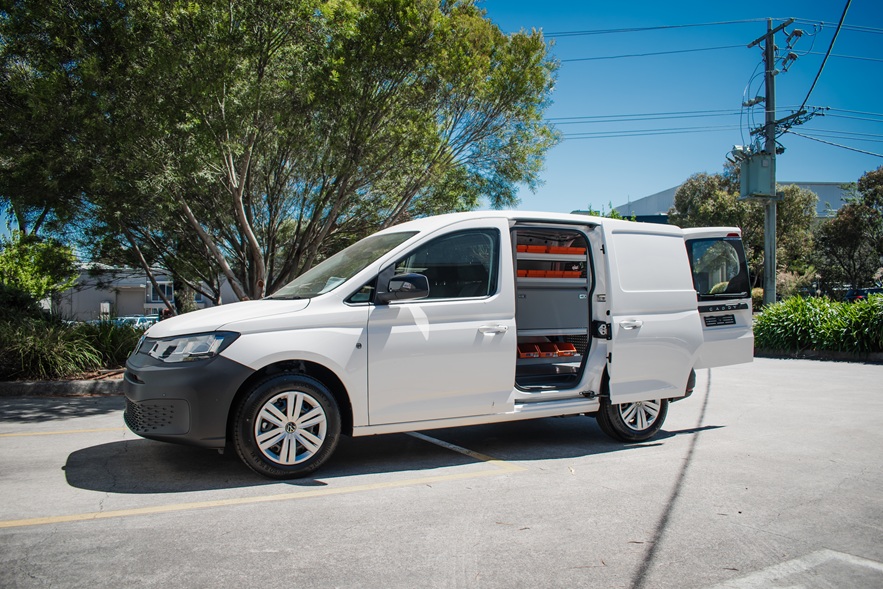
The technician parks in a tight service bay and works from the sliding door. They need gloves, fasteners and a test meter before they can start, but the items are spread between the front and rear of the fitout. Later, they come back for a spare fitting and make another trip around the van.
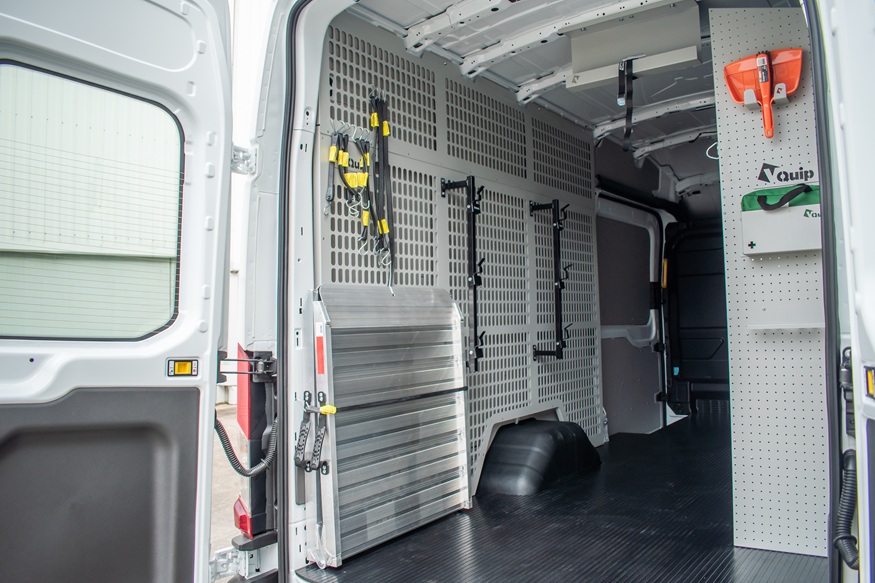
Follow a few callouts and you’ll start to see which items are used together. That might mean grouping everyday tools and consumables near the sliding door and using the rear for bulkier equipment that comes out less often. The layout should reflect where technicians actually park and which doors they can use there.
4 pm. Restocking for tomorrow
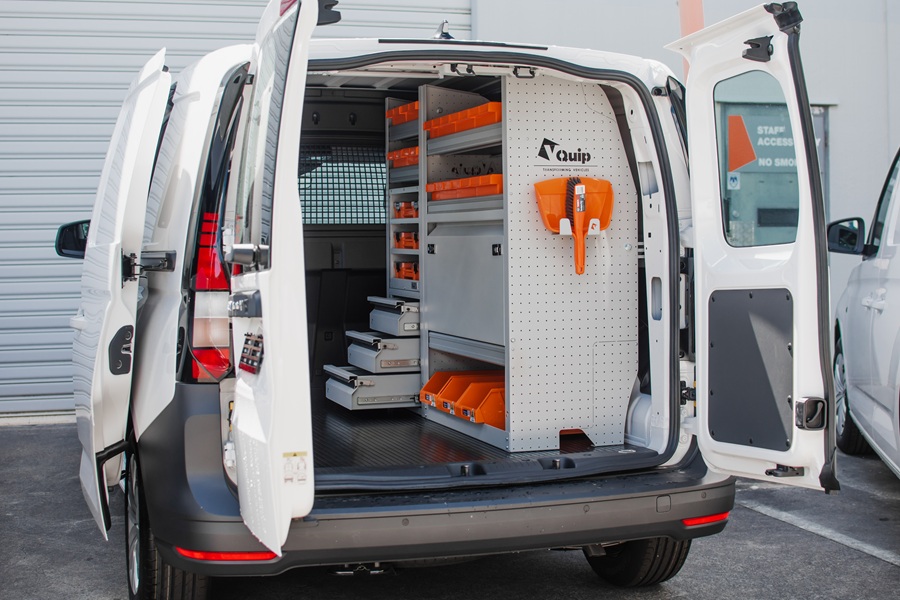
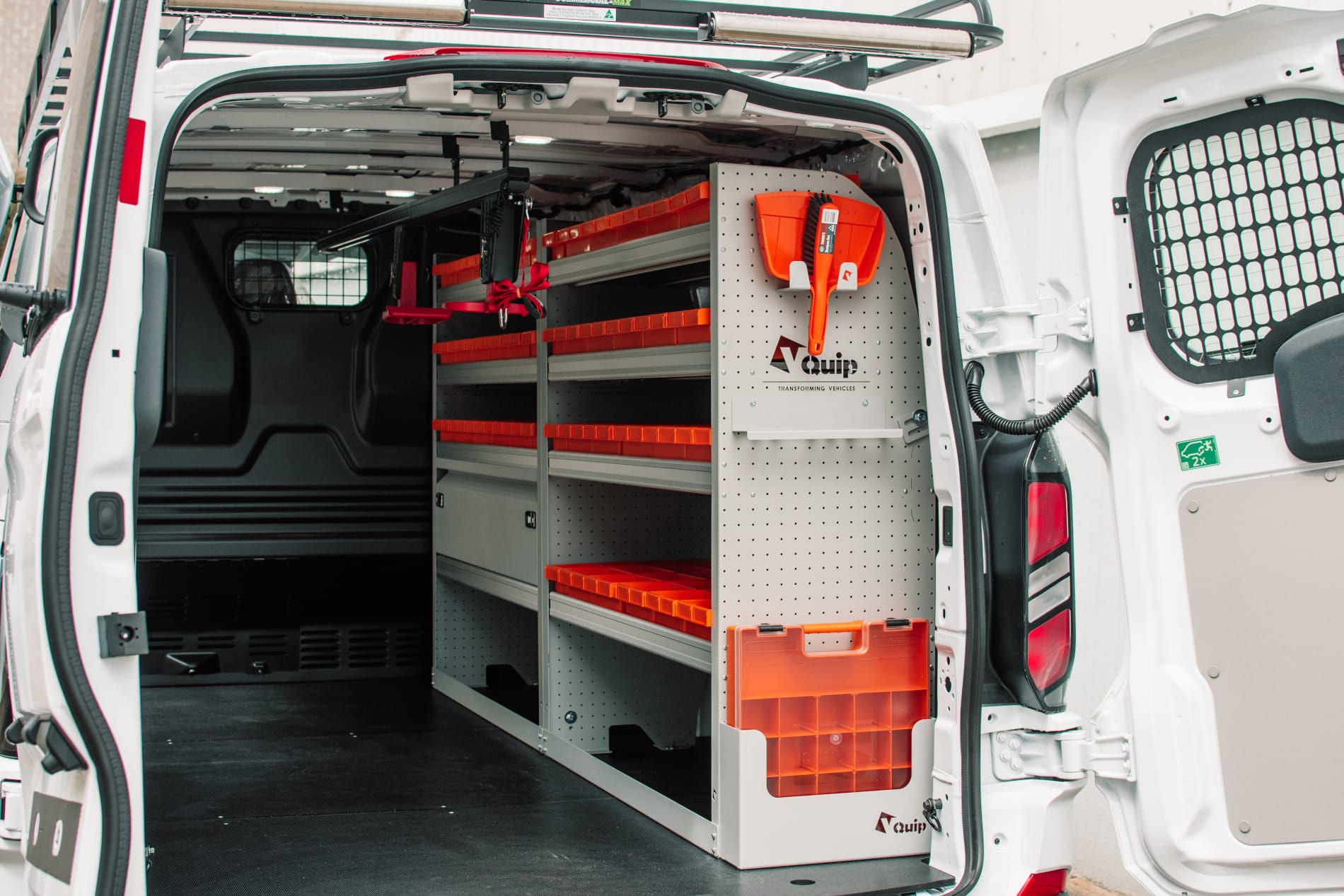
Back at the depot, the technician checks what’s been used and tops up the van. If several fittings share a deep drawer, it’s easy to miss that one is running low. Labelled compartments give each item a home and make it easier to see what needs replenishing.
This is also where a consistent fleet layout can help. When technicians swap vans, or someone else does the restock, common parts are easier to find if they’re kept in the same place. Teams with specialised equipment can still have storage tailored to their work while keeping the everyday items in familiar positions.
At VQuip, we use the discovery process to understand how technicians load, access and restock their vehicles. If you’re planning a rollout, spend time with a technician before you sign off on the layout. Better still, ask them to load the prototype with their usual tools and stock and run through a typical callout. It’s a practical way to check whether the fitout works through a full day, from the first load-up to the last restock.