Designing the Ideal Van Fitout for Security Services Fleets
Apr 8, 2026
Security patrol vehicles play a critical role in protecting people, property, and infrastructure. Whether responding to alarms, conducting site inspections, or monitoring facilities overnight, security officers rely heavily on their vehicles as mobile operational hubs.
For many security companies, the patrol van is effectively a mobile office, storage system, and response vehicle all in one. Because of this, the way a vehicle is fitted out can have a significant impact on operational efficiency, response times, and overall professionalism when attending customer sites.
Designing the ideal van fitout for security services fleets requires careful consideration of how officers work in the field, the equipment they carry, and the environments they operate in.
Below are some of the key factors security fleet managers should consider when planning a patrol vehicle fitout.
Organised Storage for Tools, Radios, and Documentation
Security patrol officers often carry a wide range of equipment during a shift. This may include radios, torches, inspection tools, first aid kits, incident documentation, and electronic devices such as tablets or laptops.
Without proper storage, these items can quickly become disorganised inside a vehicle, making them harder to locate during time-sensitive situations.
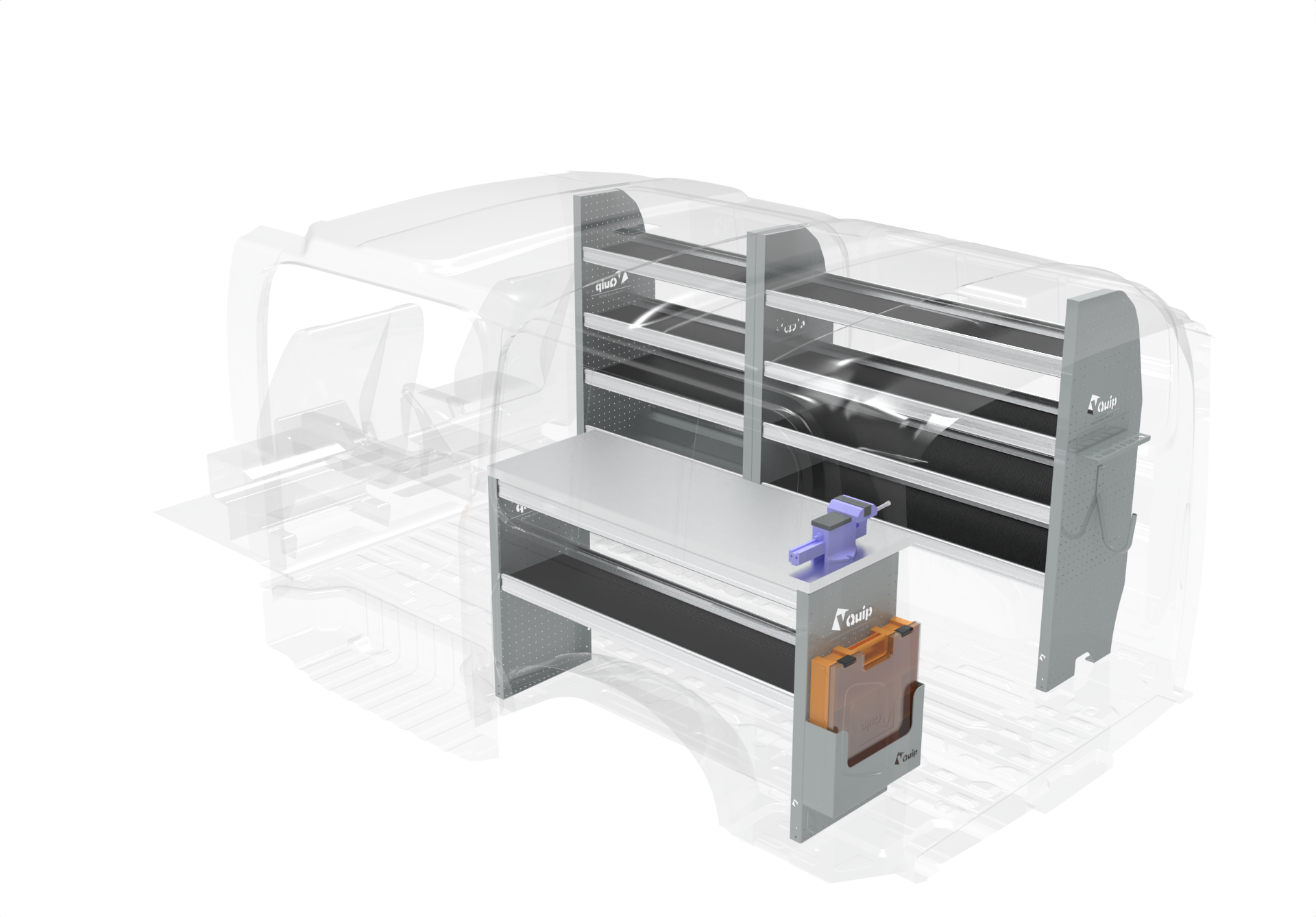
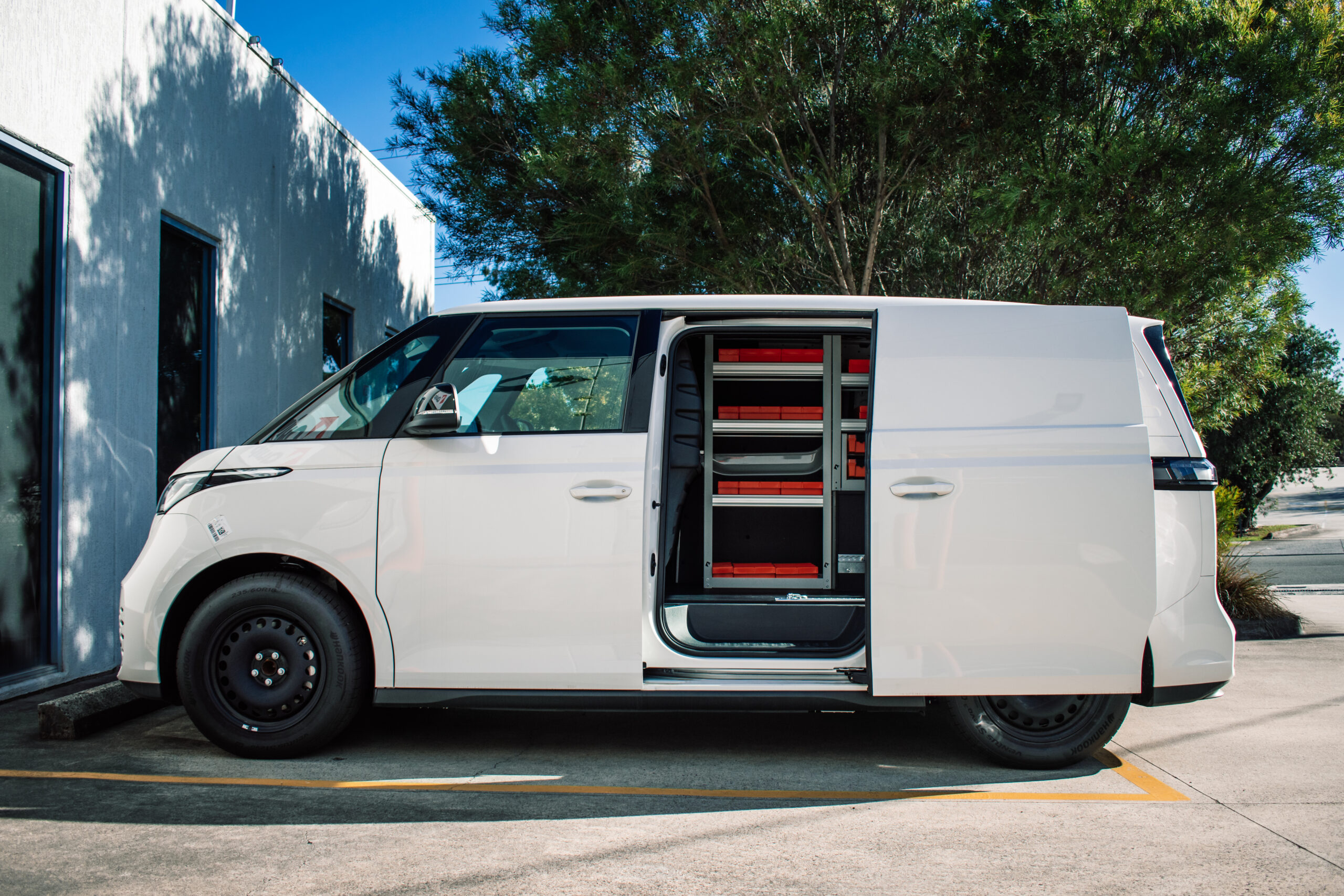
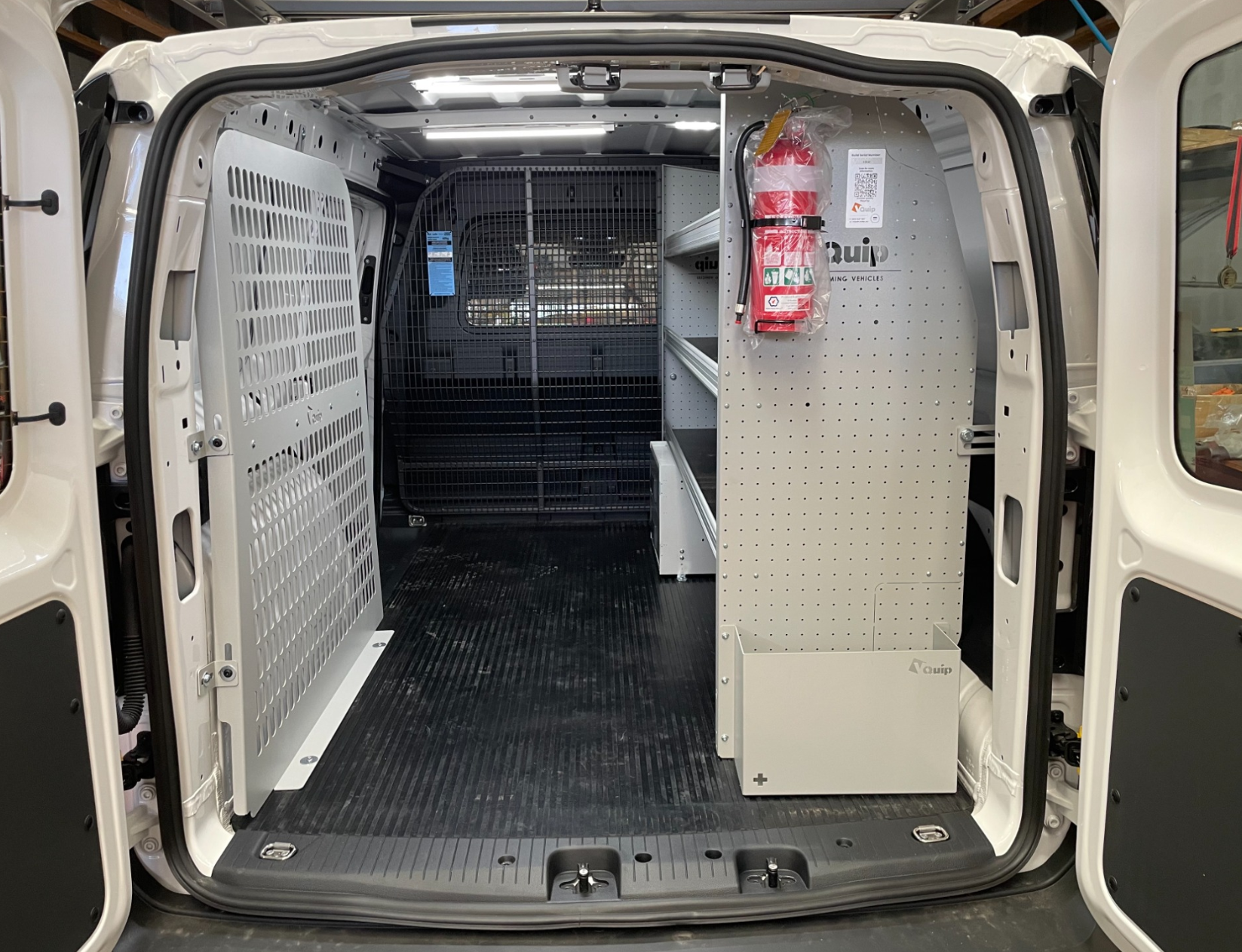
A well-designed van fitout typically incorporates structured shelving systems and dedicated storage areas to ensure equipment remains easy to access. Adjustable shelving, bins, and compartments allow different items to be stored in clearly defined locations so officers can quickly retrieve what they need when responding to incidents.
An organised vehicle layout can significantly improve efficiency during patrols and emergency responses.
Secure Storage for Sensitive Equipment
Security vehicles may also carry equipment that needs to be securely stored when the officer is away from the vehicle. This could include communication devices, site access equipment, monitoring tools, or other sensitive items.
Integrating lockable storage compartments within the fitout helps protect valuable equipment and reduces the risk of theft when vehicles are parked at public sites.
Lockable drawers, enclosed shelving, or secure storage cabinets are commonly used to keep important equipment protected while still remaining accessible to authorised personnel.
Lighting and Visibility for Night Operations
Many security patrols take place during evening and overnight shifts, which means officers frequently need to access equipment in low-light conditions.
Good internal vehicle lighting can make a significant difference to both safety and efficiency. LED interior lighting systems allow officers to quickly locate equipment without relying on handheld torches.
Additional task lighting can also be installed near shelving areas or workspaces inside the van, making it easier to complete reports, review documentation, or prepare equipment before attending a site.
Organisation for Rapid Response Situations
Security work often involves responding quickly to alarms or incidents. When this happens, officers need to be able to access equipment immediately.
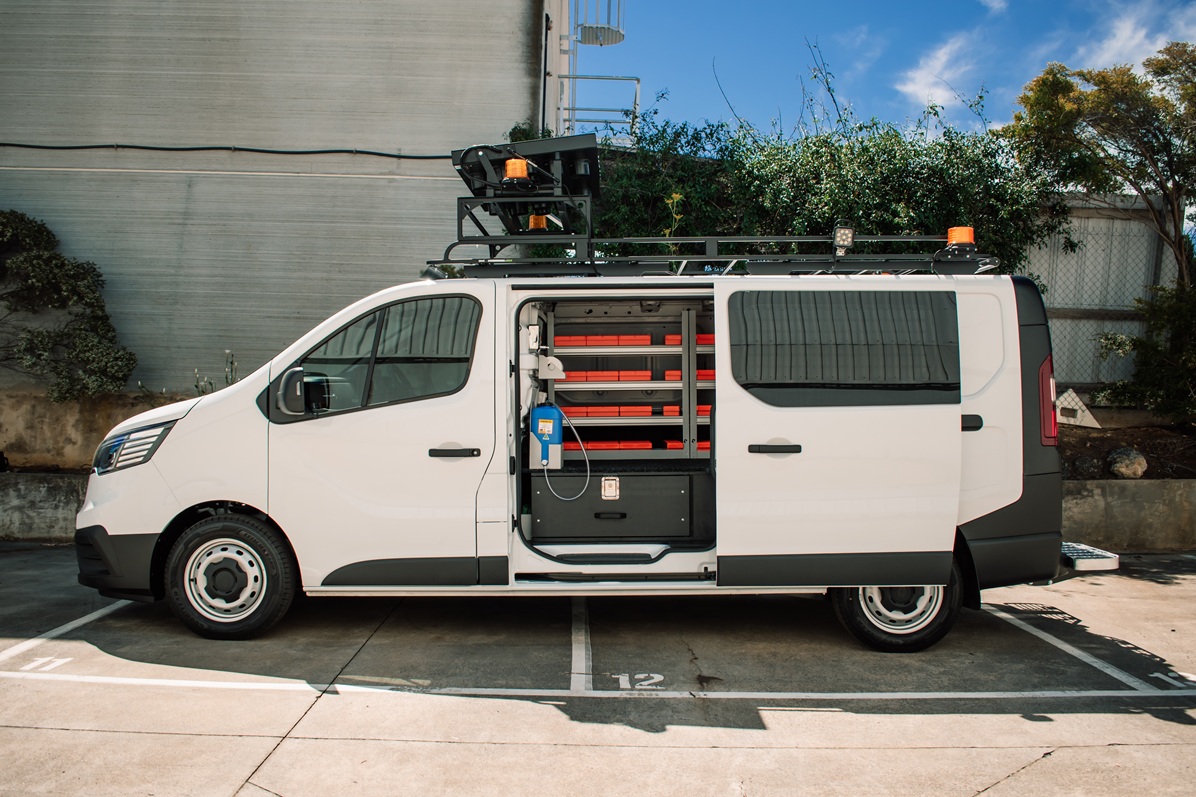
A well-organised fitout supports rapid response operations by ensuring frequently used items are positioned in easy-to-reach locations. For example, torches, radios, incident kits, and first aid equipment should be stored where they can be accessed quickly from the rear or side door of the vehicle.
Clear organisation reduces time spent searching for equipment and helps officers focus on the situation they are responding to.
False Floors for Equipment Cases
Many security companies carry larger equipment cases that contain specialised tools or monitoring equipment. These cases can take up significant space in the cargo area of a van.
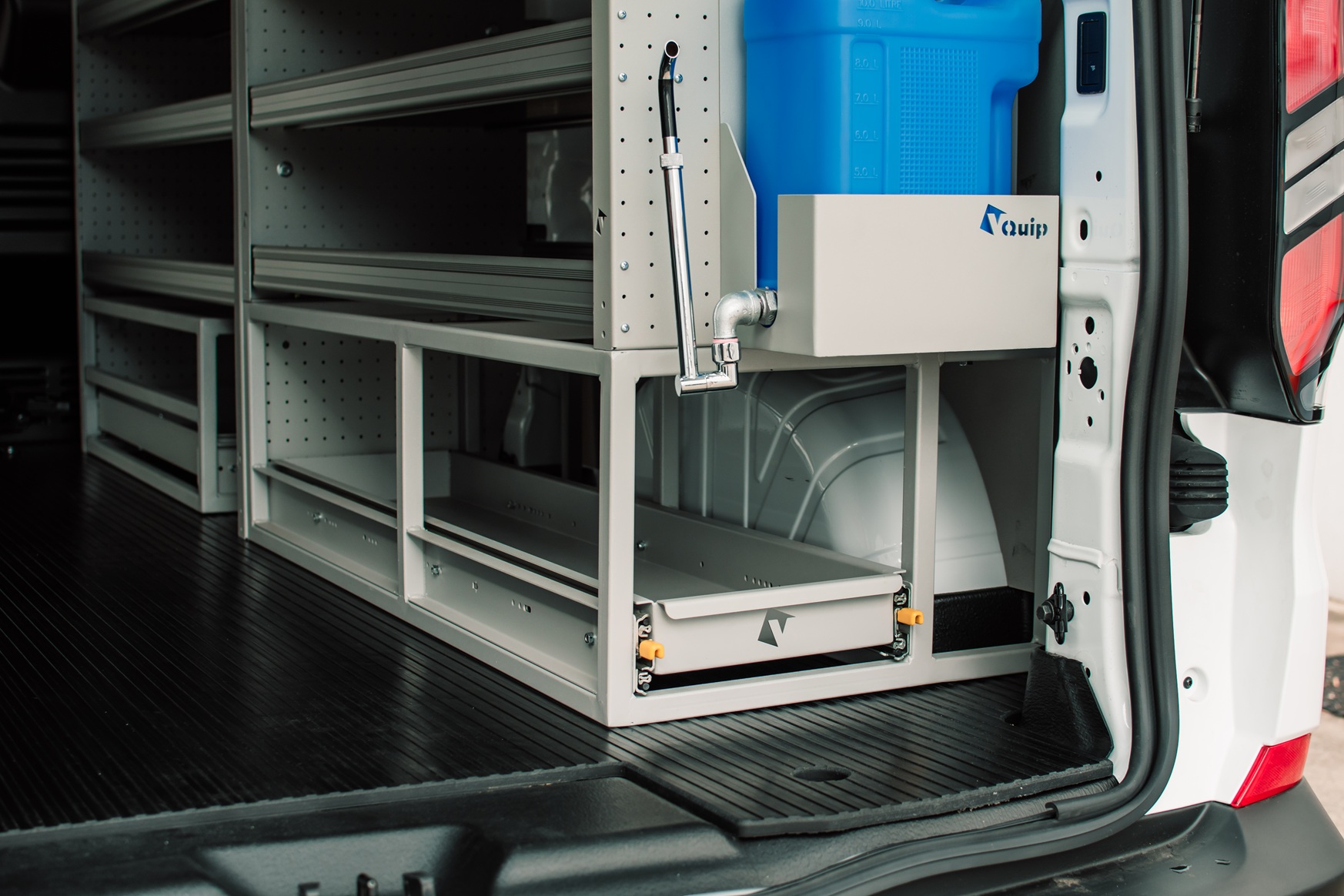
Installing a false floor drawer system allows equipment cases to be stored securely inside heavy-duty drawers while still maintaining a flat, usable cargo floor above.
This approach helps maximise the available storage space inside the vehicle while keeping larger equipment protected and easy to access from the rear of the van.
Auxiliary Power for Charging Devices
Modern security operations rely heavily on electronic devices. Patrol officers may need to charge radios, mobile phones, tablets, laptops, or other equipment throughout their shift.
To support this, many fleet vehicles incorporate auxiliary battery systems and inverters as part of the fitout. These systems allow officers to safely power and charge equipment without relying solely on the vehicle’s main battery.
By separating auxiliary power from the vehicle’s starting battery, fleets can ensure critical equipment remains powered while still protecting the vehicle’s ability to start.
Payload Considerations
Security vehicles often carry additional equipment beyond a standard commercial van setup. Electrical systems, storage modules, and operational equipment all contribute to the overall vehicle weight.
Because of this, payload capacity should always be considered when designing a vehicle fitout. Selecting lightweight materials and efficient storage systems can help maximise the usable payload available for equipment and personnel.
Fleet managers should also ensure the final vehicle remains compliant with the manufacturer’s Gross Vehicle Mass (GVM) limits.
Professional Presentation at Customer Sites
Security officers are frequently the visible presence of a security company when attending client sites. The condition and organisation of the patrol vehicle can influence how professional the company appears to customers.
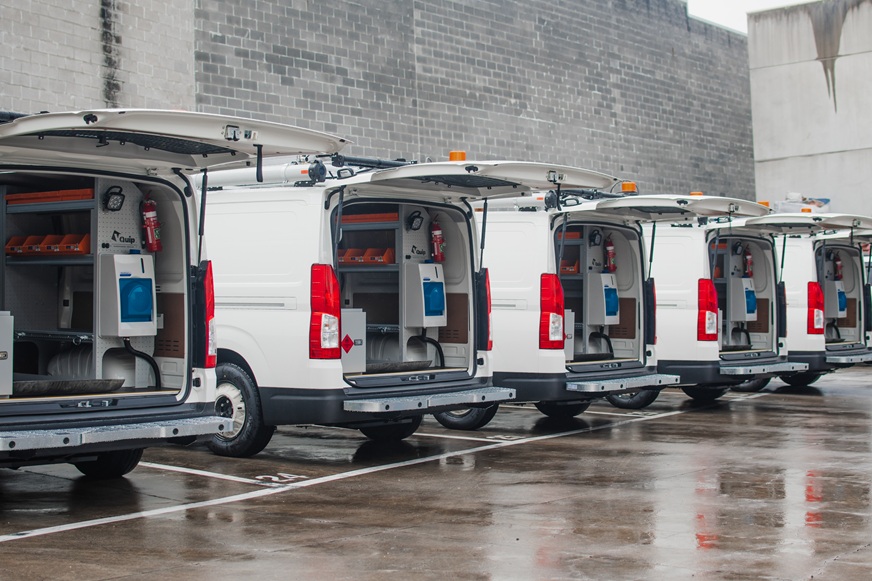
A well-designed vehicle fitout helps ensure equipment is stored neatly and the cargo area remains tidy. This not only improves operational efficiency but also presents a professional image when vehicles arrive at commercial buildings, infrastructure facilities, or public venues.
For many security providers, maintaining a consistent and organised vehicle setup across the fleet also helps reinforce brand professionalism.
Designing Fitouts That Support Field Operations
Ultimately, the goal of a security patrol vehicle fitout is to support officers in performing their duties safely and efficiently.
By incorporating structured storage systems, secure equipment compartments, effective lighting, and reliable auxiliary power systems, fleet managers can create vehicles that function as practical mobile workspaces.
When patrol vehicles are well organised and properly equipped, security teams can respond faster, work more efficiently, and deliver a more professional service to the organisations they protect.