How Fleet Vehicles Influence Brand Perception on Customer Sites
Apr 1, 2026
For many service organisations, the fleet vehicle is the most visible representation of the business. It is often the first thing a customer sees arriving at their premises, and it remains on site for the duration of the service visit. While the vehicle’s primary purpose is to transport tools, equipment, and technicians, it also plays an important role in shaping how customers perceive the professionalism and reliability of the company behind it.
The Service Vehicle as a Mobile Brand Ambassador
Unlike office environments or retail spaces, field service businesses interact with customers primarily through technicians visiting worksites. In this context, the service vehicle becomes a mobile extension of the company’s brand.
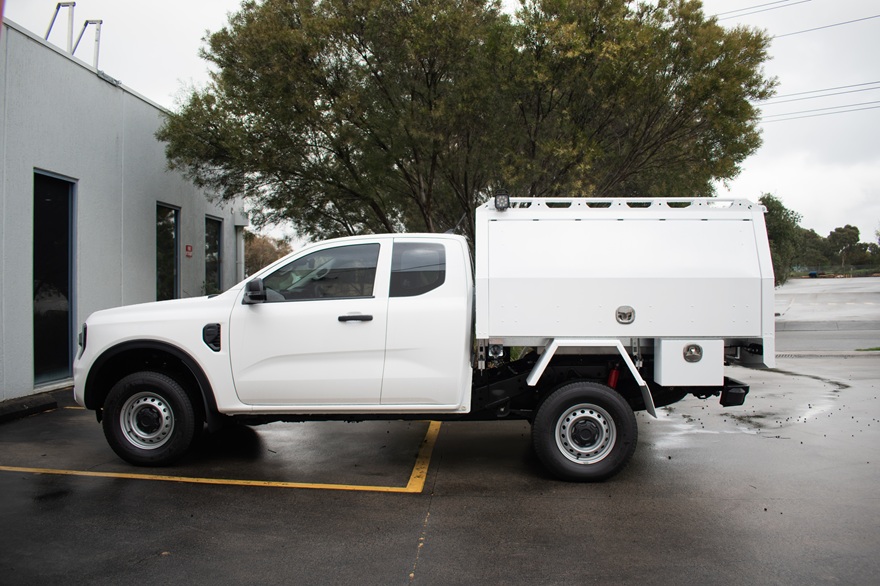
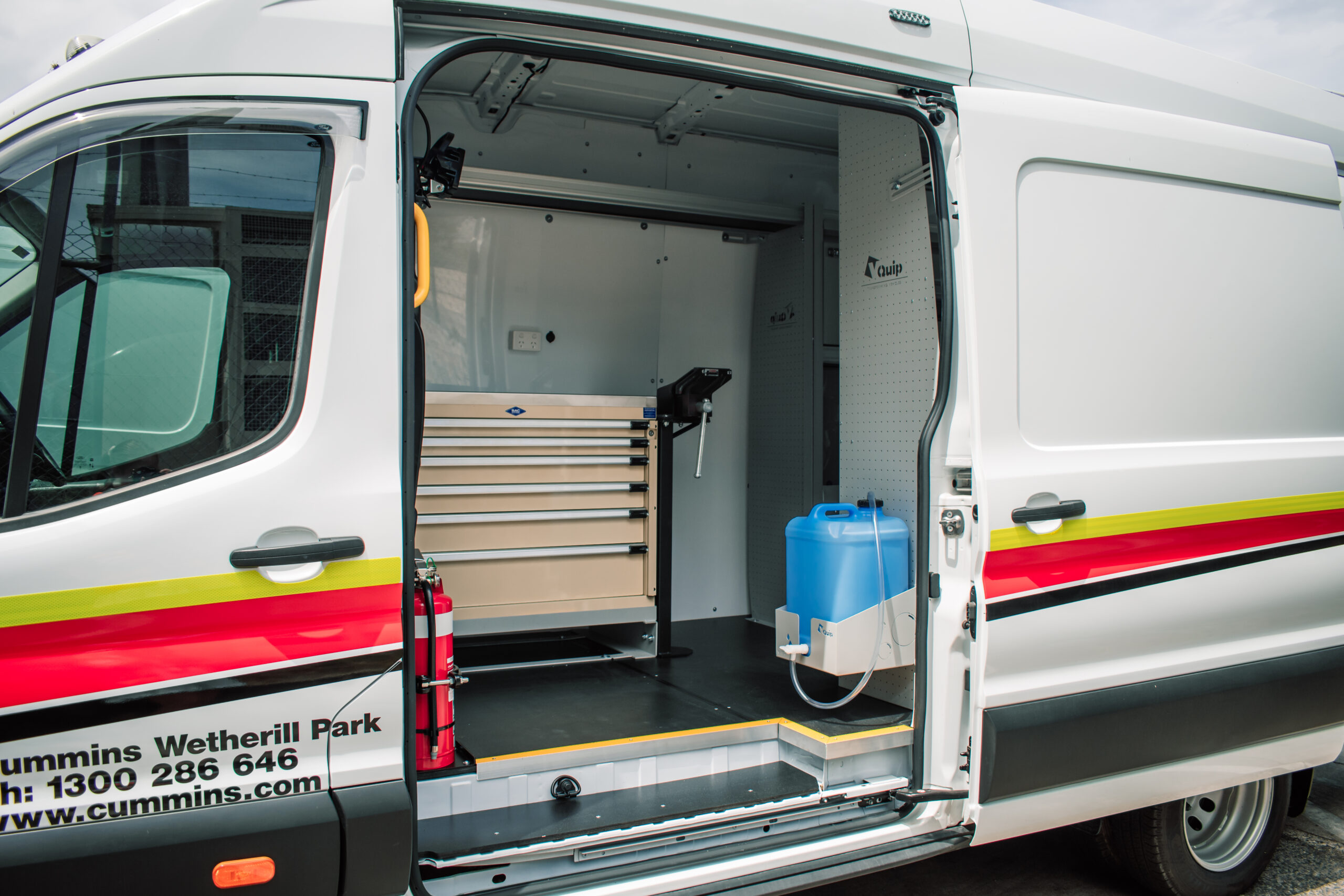
When a well-presented, organised vehicle arrives on site, it immediately signals professionalism and competence. Customers may not understand the details of the technical work being performed, but they do form impressions based on what they can see. A clean vehicle with a well-organised interior suggests that the organisation values quality, attention to detail, and safety.
Conversely, a cluttered or poorly maintained vehicle can create the opposite impression, even if the technician is highly skilled.
Organisation Reflects Operational Discipline
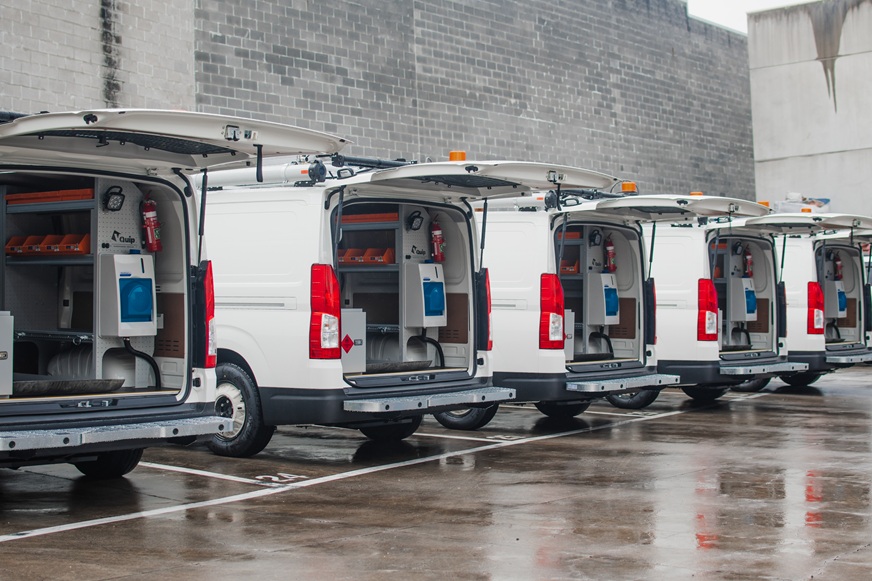
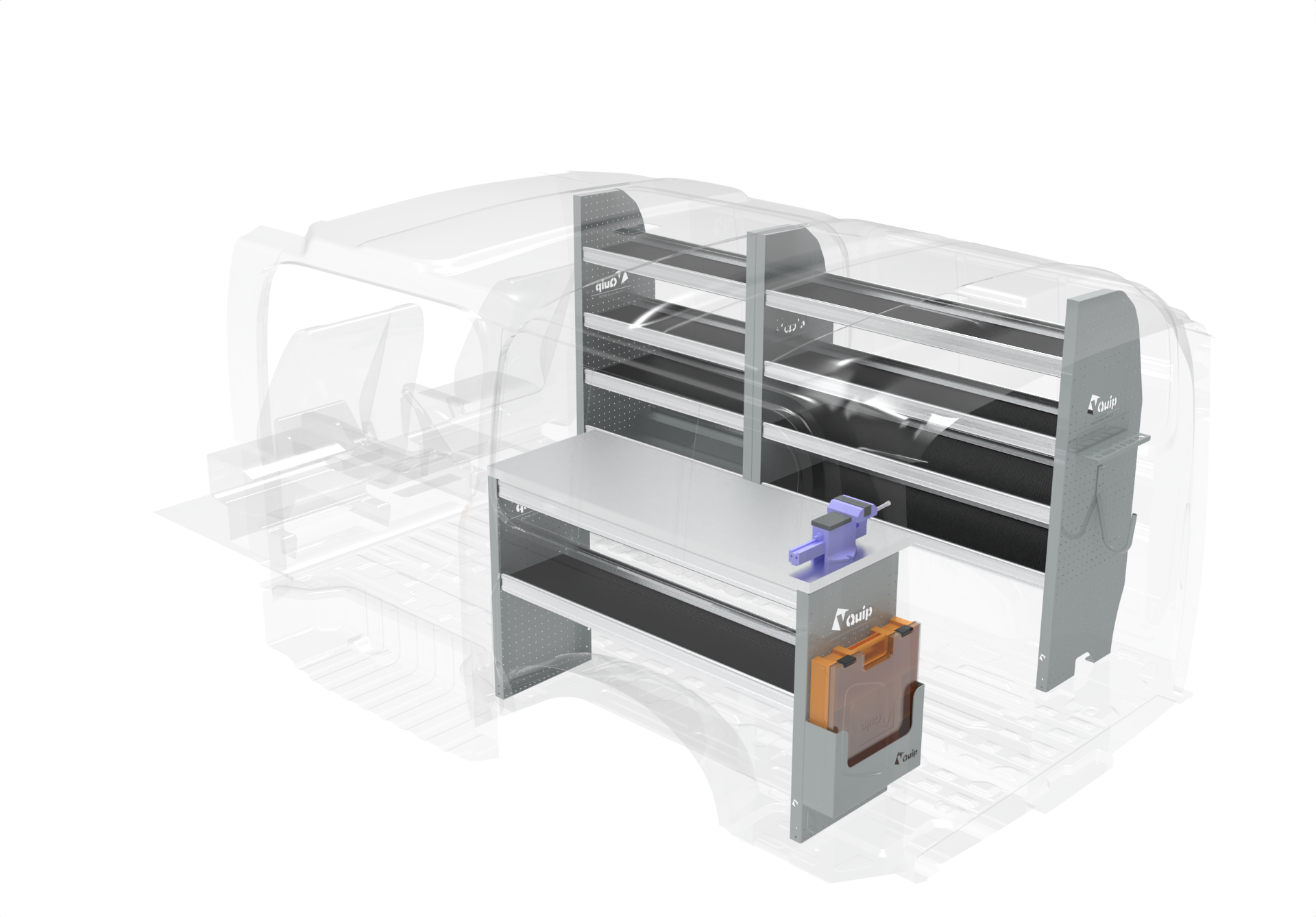
The internal layout of a service vehicle also contributes to brand perception. When technicians can quickly access tools and parts from clearly organised shelving and storage systems, the job appears efficient and controlled. This efficiency is often visible to the customer.
Technicians who need to search through loose equipment or unpack multiple boxes to find the correct tool can unintentionally project disorganisation. Even small delays can influence how customers perceive the capability of the service provider.
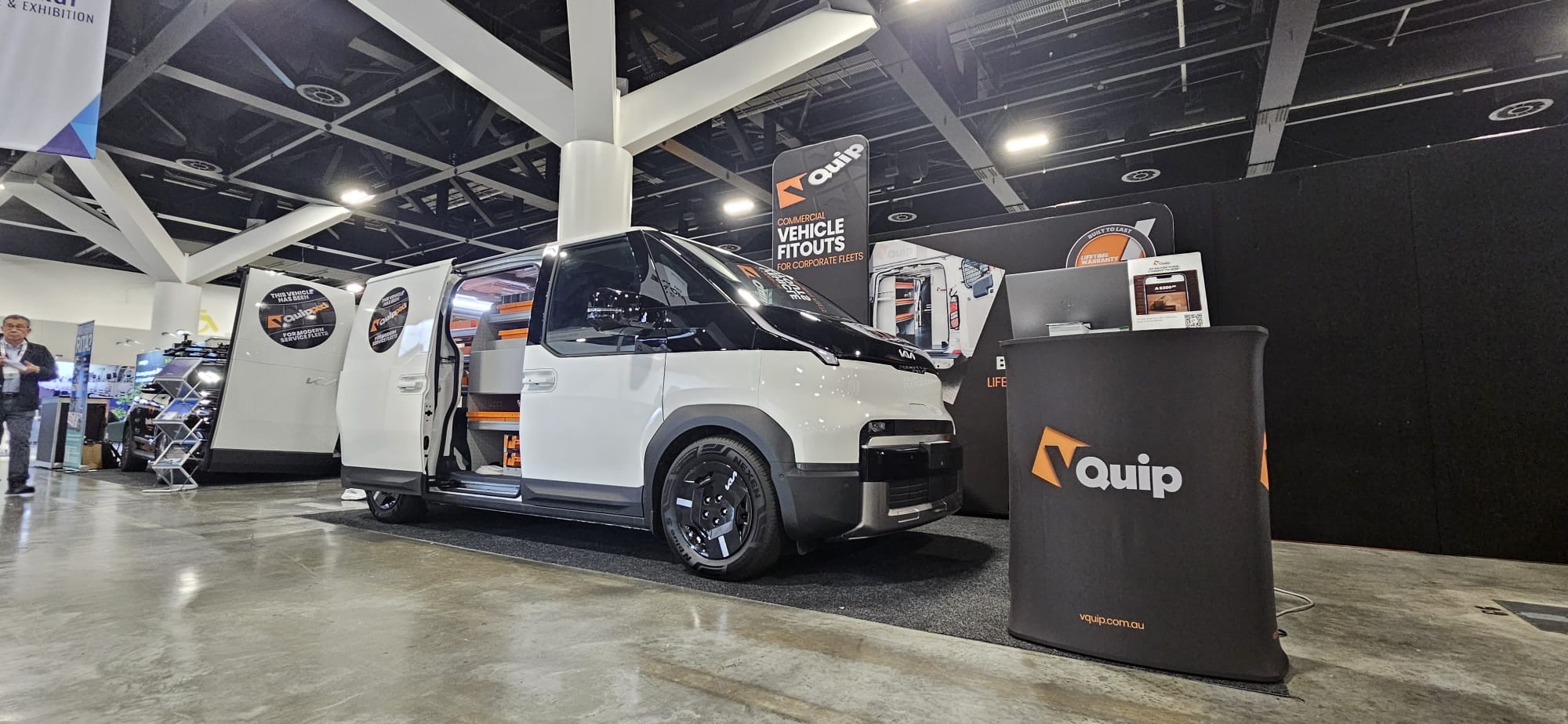
For organisations managing large fleets, standardised vehicle fitouts can help ensure a consistent professional presentation across all technicians and locations.
Safety and Compliance Matter
Safety is another visible element that influences customer perception. Customers are increasingly aware of workplace safety expectations, particularly on commercial or industrial sites.
A vehicle equipped with properly secured equipment, compliant load restraint systems, and organised storage helps demonstrate that the organisation takes safety seriously. This not only protects technicians during transport but also reassures customers that the service provider operates to professional standards.
Supporting Technician Confidence
A well-designed vehicle fitout does more than improve efficiency. It can also influence technician confidence when arriving on customer sites.
When technicians know exactly where tools and parts are stored, they can approach jobs with greater assurance. This confidence often translates into smoother interactions with customers and a more professional service experience.
Consistency Across Fleet Operations
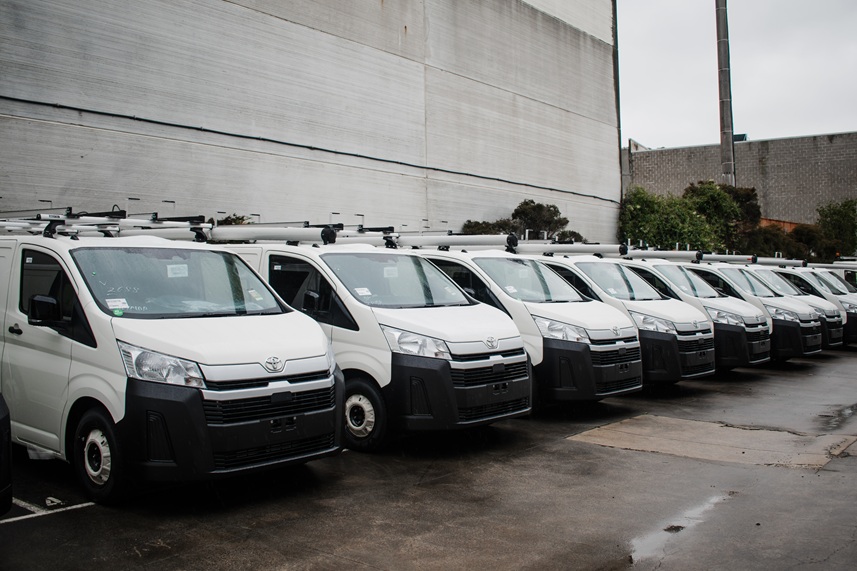
For organisations operating multiple vehicles, consistency plays an important role in maintaining brand reputation. When every technician arrives with a similar vehicle layout and presentation, customers receive the same professional impression regardless of which technician attends the job.
This level of consistency is particularly important for organisations managing national service fleets, where technicians may be working across multiple regions and customer locations.
The Bigger Picture
Fleet vehicles are often viewed purely as operational assets, but they also serve as highly visible representations of a company’s standards and professionalism.
A well-designed, organised service vehicle can reinforce customer confidence, improve technician efficiency, and help ensure every site visit reflects positively on the business.
In industries where reputation and trust are critical, the service vehicle is far more than just transport. It is part of the customer experience.