
How Global Fuel Volatility Could Impact National Service Fleets
Mar 25, 2026
Fuel prices are once again under pressure as global tensions disrupt energy markets. While fuel costs have always fluctuated, the current geopolitical environment is creating a new level of uncertainty for businesses that rely on vehicle fleets to deliver services across the country.
For organisations operating national service fleets — whether in infrastructure, facilities maintenance, telecommunications, utilities, or field services — the effects go well beyond simply paying more at the pump. Rising fuel costs and supply disruptions can influence everything from operating budgets to vehicle selection and fleet strategy.
Understanding these impacts can help fleet managers prepare for what may be a more volatile operating environment in the coming years.
Fuel Cost Volatility and Budget Pressure
One of the most immediate impacts of global instability is fuel price volatility. Conflicts affecting major energy routes, particularly in the Middle East, can quickly disrupt supply chains and push oil prices higher.
The Strait of Hormuz, for example, is one of the world’s most important oil transit routes, carrying roughly one-fifth of global oil supply. Any disruption to this corridor can cause rapid swings in global oil prices, which then flow through to diesel and petrol prices in markets like Australia.
For national service fleets that operate hundreds or thousands of vehicles, even relatively small increases in fuel prices can significantly increase operating costs. Unlike some industries that can pause activity when costs rise, service fleets must continue operating to meet customer service commitments and contractual obligations.
Australia’s Exposure to Global Fuel Markets
Australia is particularly exposed to global fuel volatility because the country imports the vast majority of its refined fuel supply. Estimates suggest that around 90% of Australia’s fuel is imported.
This reliance means that international disruptions can quickly affect local supply conditions and pricing. During recent periods of market instability, some Australian service stations experienced shortages, prompting government monitoring of supply levels and distribution.
For national fleets operating across multiple states — especially those servicing regional areas — supply disruptions can become a practical operational issue rather than simply a pricing problem.
Operational Risks for Field Service Fleets
Fuel availability and cost directly influence the ability of field technicians to perform their work. When fleets operate across large geographic areas, unexpected supply disruptions or price spikes can impact scheduling, travel planning, and response times.
For organisations that provide essential services — such as telecommunications maintenance, utilities support, or facilities maintenance — technician mobility is critical. Vehicles must be able to reach sites quickly, often across large distances.
Any constraint on fuel availability or cost stability can therefore introduce operational risk.
Rising Transport and Supply Chain Costs
Fuel price increases rarely affect fleets in isolation. Higher energy costs tend to flow through the entire transport and logistics ecosystem.
Freight companies, shipping operators, and transport providers often introduce fuel surcharges when costs rise significantly. These increases eventually affect the price of parts, materials, and equipment required to maintain service fleets.
For fleet operators, this can result in a double cost pressure: higher daily operating costs for vehicles, combined with rising costs for the goods and services that support fleet operations.
Renewed Focus on Fleet Efficiency
Periods of fuel volatility typically lead fleet managers to re-examine vehicle efficiency and operating practices.
This can include measures such as:
- Reducing unnecessary vehicle weight
- Optimising route planning and scheduling
- Minimising idle time
- Improving driver behaviour and fuel efficiency
- Reviewing whether smaller or more efficient vehicles could perform certain roles
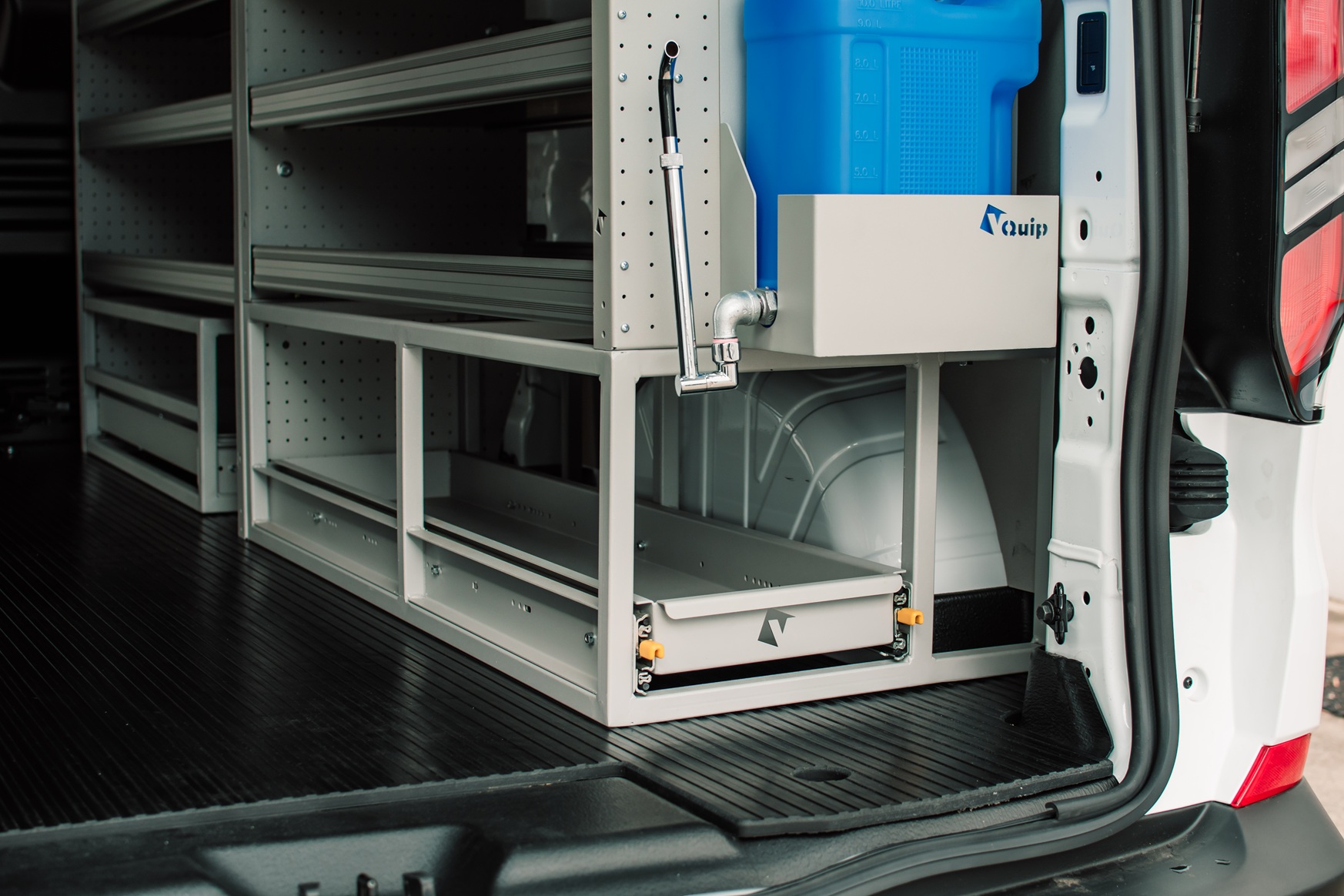
Vehicle fitout design can also play a role. Heavy or poorly optimised fitouts can significantly increase fuel consumption over the life of a fleet vehicle, particularly when vehicles operate with high daily mileage.
Accelerating Interest in Electric and Hybrid Fleets
Rising fuel costs are also increasing interest in electric vehicles (EVs) and plug-in hybrid vehicles (PHEVs) within service fleets.
While electric platforms are not yet suitable for every fleet application — particularly where high payloads, remote travel, or specialised auxiliary equipment are required — they can be effective in urban and metropolitan service environments where vehicles operate predictable daily routes.
For many fleet managers, current market volatility is encouraging earlier evaluation of alternative vehicle platforms and energy strategies.
The Importance of Strategic Fleet Planning
For national service fleets, the key takeaway from current global conditions is that fuel costs and energy supply are becoming more unpredictable.
Fleet resilience increasingly depends on factors such as:
- Careful vehicle selection
- Efficient fitout design
- Payload and weight management
- Operational visibility across the fleet
- Strategic planning around vehicle lifecycle and replacement
Organisations that actively manage these variables will be better positioned to maintain operational stability, even during periods of market disruption.
Looking Ahead
Fuel price fluctuations are not new, but the scale of recent geopolitical tensions highlights how quickly global events can affect the cost and availability of energy.
For national service fleets, preparation and efficiency will be essential. By focusing on smarter vehicle specification, efficient fitouts, and forward-looking fleet planning, businesses can reduce their exposure to energy volatility and maintain reliable service delivery across their operations.