How Technician Behaviour Changes with a Quality Vehicle Fitout
Mar 29, 2026
For many fleet managers, vehicle fitouts are often viewed primarily as a storage solution. Shelving, drawers, and storage systems are installed to hold tools and parts, allowing technicians to carry what they need for the job.
But the impact of a well-designed vehicle fitout goes far beyond storage.
The layout, organisation, and quality of a vehicle fitout can significantly influence how technicians work day to day. From how quickly they locate parts to how safely they load equipment, the design of the vehicle can subtly shape technician behaviour and overall productivity.
A well-organised, purpose-built fitout doesn’t just store equipment. It changes how the technician interacts with their vehicle.
Faster Preparation at Every Job
When tools and parts have a dedicated, logical storage location, technicians spend far less time searching for what they need.
In disorganised vehicles, it is common for technicians to open multiple drawers, move items around, or dig through boxes before finding the right component. Over the course of a day, these small delays add up.
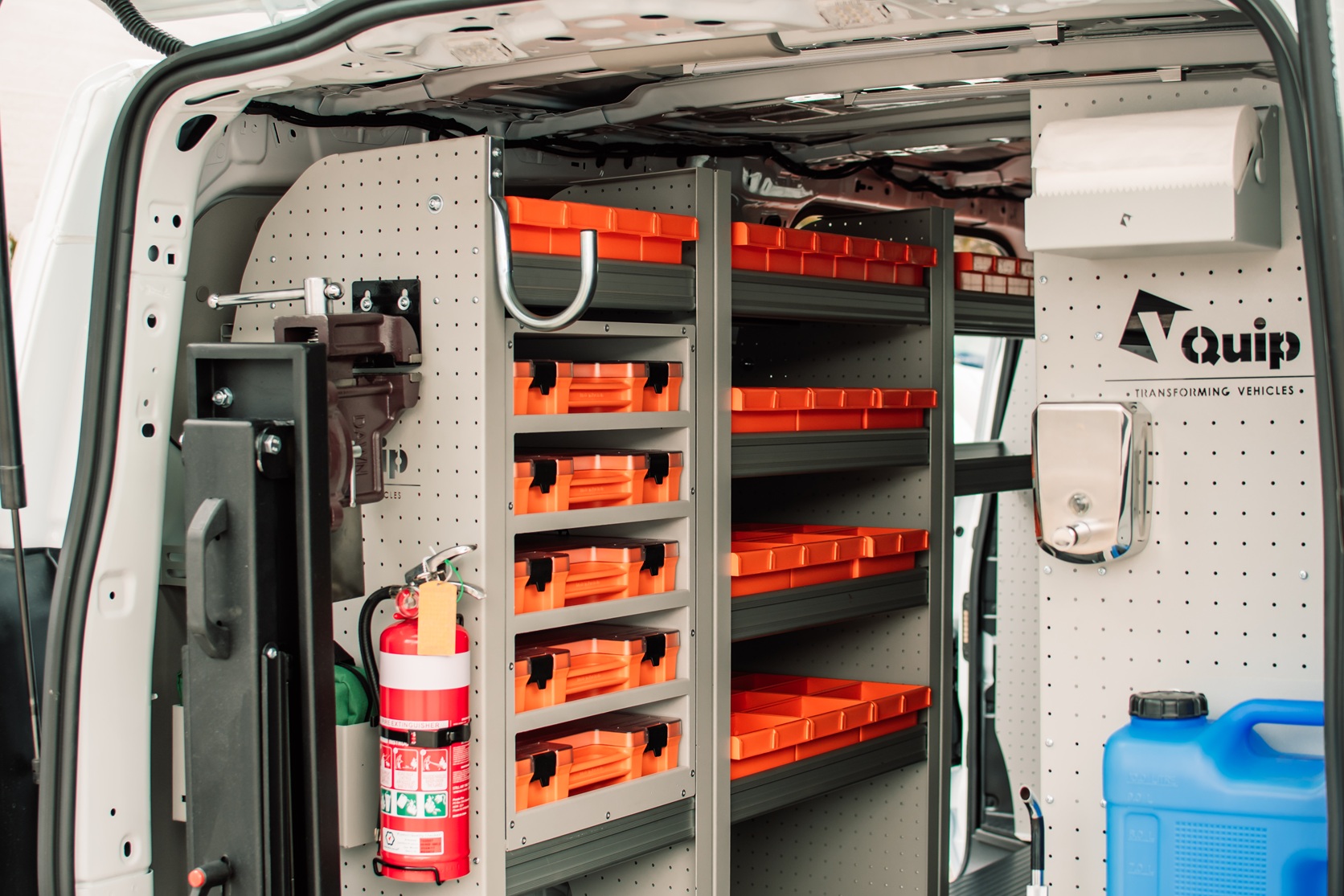
A quality vehicle fitout with structured shelving, labelled bins, and properly sized drawers allows technicians to immediately locate the items they need. This can reduce time spent searching for equipment and help technicians start work more quickly at each site.
For fleets completing multiple service calls each day, even small efficiency gains can make a meaningful difference over time.
Better Organisation Becomes the Default
Technicians naturally tend to return tools and parts to the same place when the storage layout makes sense.
When every item has a clearly defined location, the vehicle becomes easier to maintain in an organised state. This means that organisation is not something the technician has to constantly think about. It simply becomes the default behaviour.
In contrast, vehicles without structured storage often lead to tools being placed wherever there is space. Over time, this can result in clutter, damaged equipment, and longer preparation times.
Improved First-Time Fix Rates
One of the most important performance measures for many service fleets is the first-time fix rate, which refers to the ability to resolve a service issue during the first visit without needing to return for additional parts or tools.
An organised vehicle fitout helps support this by allowing technicians to carry a broader range of parts while still maintaining visibility and order.
Small consumables such as fittings, fasteners, electrical connectors, or seals can be stored in labelled storage bins, making them easy to locate during a repair. This reduces the risk of a technician overlooking a part that is already available in the vehicle.
When technicians can clearly see what they have onboard, they are more likely to complete jobs during the first visit.
Greater Pride in the Vehicle
Technicians often spend a significant portion of their working day in their vehicle. When the vehicle is well-designed and professionally fitted out, it can influence how the technician treats and maintains the vehicle.
A clean, organised workspace tends to encourage technicians to keep it that way. Tools are more likely to be returned to their correct locations, waste is removed regularly, and the overall condition of the vehicle is maintained.
This sense of pride can also extend to how technicians present themselves at customer sites. A tidy, professional vehicle often reflects positively on the technician and the organisation they represent.
Safer Loading and Transport of Equipment
A well-designed vehicle fitout also influences how equipment is stored and secured.
Purpose-built shelving, drawer systems, and restraint points help ensure that tools and materials remain secure during transit. This reduces the risk of equipment shifting or becoming a hazard inside the vehicle.
From a behavioural perspective, technicians are more likely to store equipment correctly when the vehicle provides clear and convenient locations for doing so.
Safe storage becomes part of the normal workflow rather than an extra step.
Supporting Consistency Across Fleet Vehicles
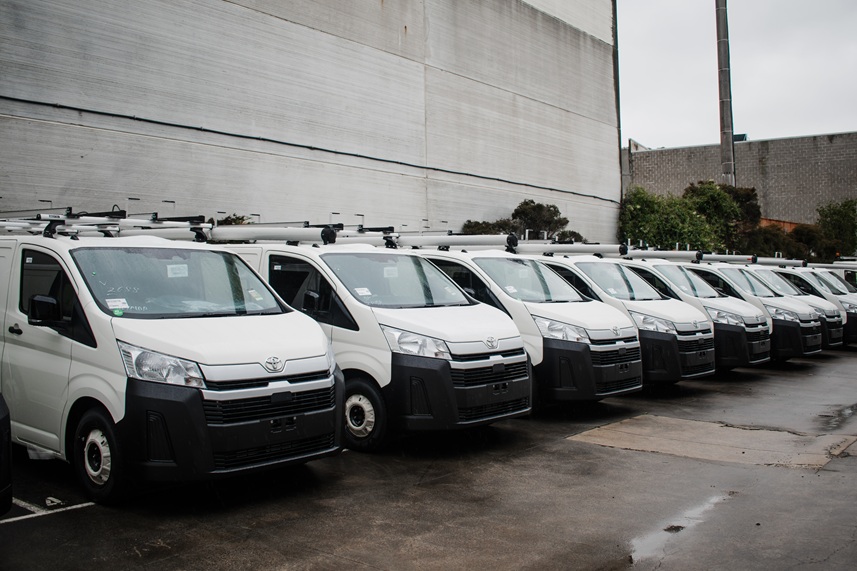
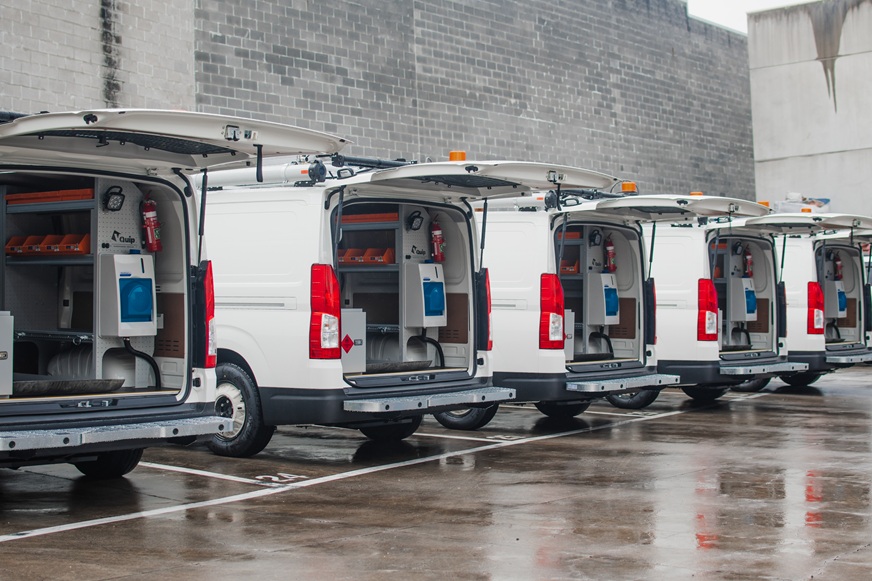
For fleets with multiple vehicles, consistent fitout layouts can further reinforce positive technician behaviour.
When technicians move between vehicles, familiar layouts allow them to immediately locate tools and parts without needing to learn a new storage system each time.
This consistency supports faster onboarding for new technicians, easier cross-coverage between teams, and more predictable vehicle operation across the fleet.
More Than Just Storage
At first glance, a vehicle fitout might appear to be simply a collection of shelves and drawers.
In reality, the design of the vehicle plays a direct role in shaping how technicians work each day.
A well-designed, high-quality vehicle fitout can encourage organisation, improve efficiency, support safer work practices, and help technicians deliver a more professional service to customers.
Over time, these behavioural changes can contribute to meaningful improvements in fleet productivity, technician satisfaction, and service quality.
For fleet managers planning vehicle fitouts, it is worth remembering that the goal is not only to store tools. It is to create a mobile workspace that supports technicians in doing their best work every day.