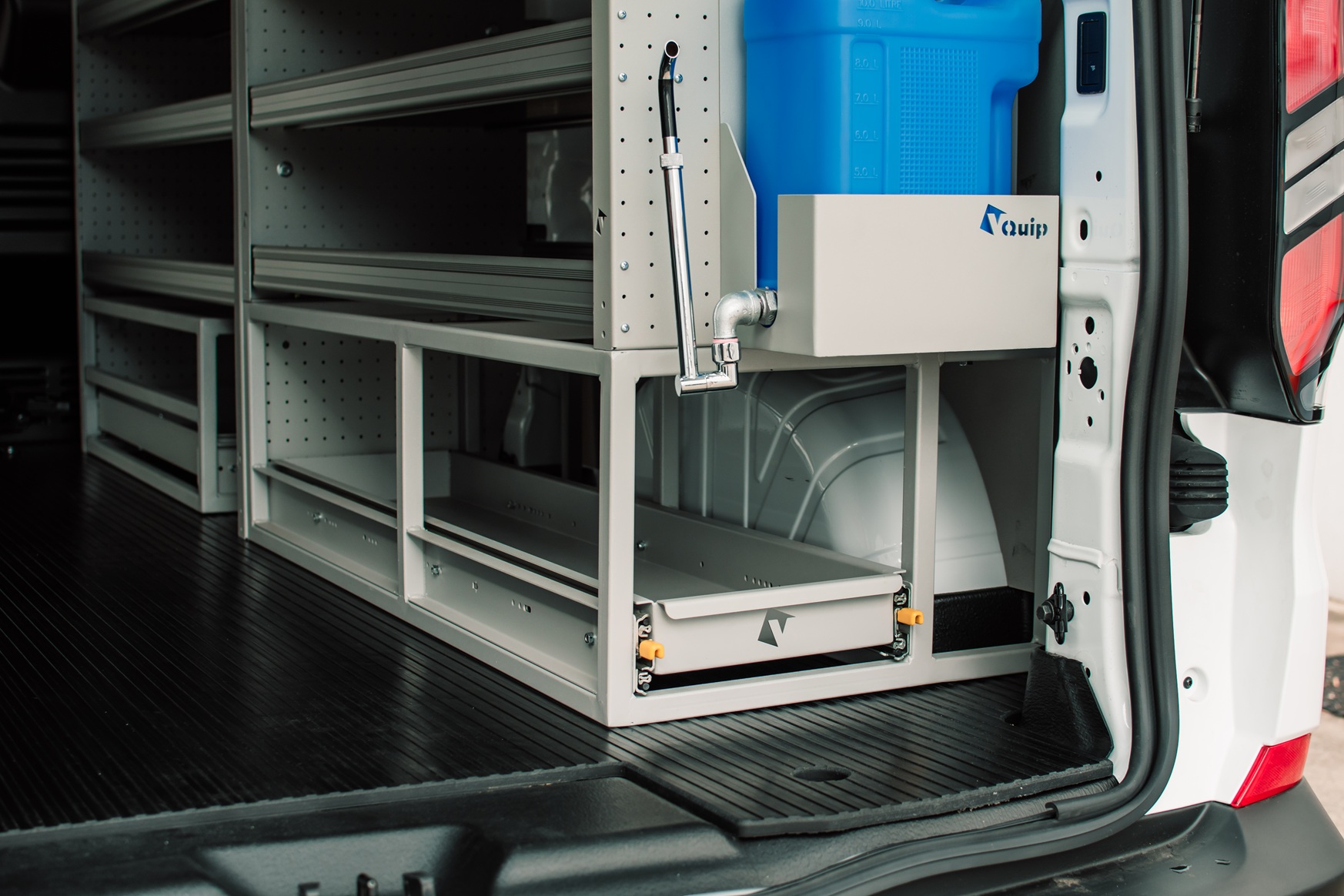
The Difference Between a “Tidy Van” and an Efficient Van
Apr 8, 2026
At first glance, a tidy service van might look like a well-organised and productive workspace. Tools are neatly arranged, shelves are clean, and everything appears to have its place. But in real-world fleet operations, a tidy van is not always an efficient van.
The real test of a vehicle fitout is not how it looks when parked in the workshop, but how effectively it supports technicians during a busy day of service calls. Efficiency comes from designing the vehicle around how technicians actually work, not simply how the storage looks.
Understanding the difference can have a significant impact on productivity, job completion times, and technician satisfaction.
Visual Organisation vs Workflow Efficiency
Many van fitouts focus primarily on visual organisation. Everything is stored neatly, and the vehicle looks well presented when the doors are opened.
However, visual order does not always translate into operational efficiency.
A van can appear tidy while still forcing technicians to:
- climb into the vehicle repeatedly
- reach over multiple shelves to access tools
- move equipment out of the way to reach commonly used items
- spend unnecessary time searching for parts
A truly efficient van is designed so that the most frequently used tools and components are the easiest to access, even if that means the layout is not perfectly symmetrical or visually uniform.
Efficiency prioritises workflow, not aesthetics.
Understanding Technician Access Patterns
Every technician follows predictable patterns when working from their vehicle.
Certain tools are used dozens of times each day. Others may only be needed occasionally. A well-designed fitout recognises these patterns and places equipment accordingly.
For example:
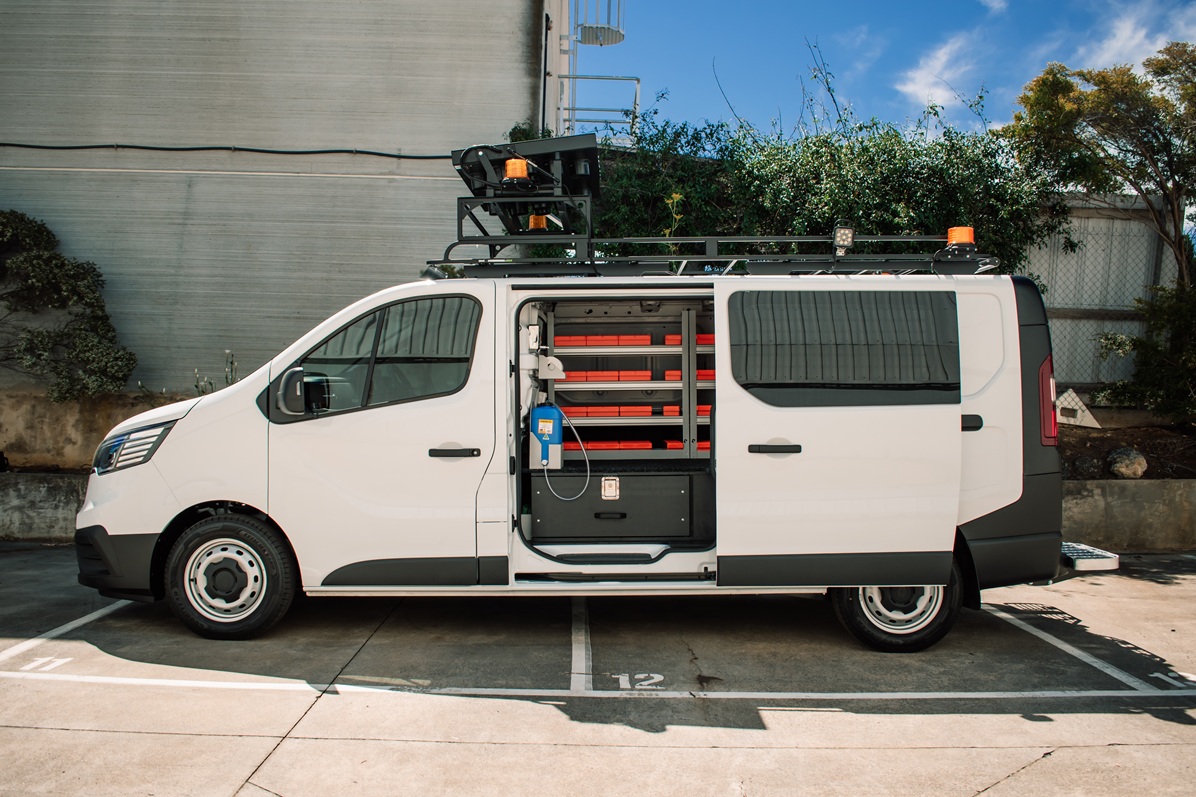
- Frequently used hand tools should be stored within immediate reach from the side door.
- Parts bins should be positioned where technicians can quickly identify and retrieve components.
- Larger equipment should be secured but still accessible without unpacking half the van.
When storage layouts ignore these access patterns, technicians waste time opening drawers, moving items, and searching for equipment.
Over the course of a year, these small delays can add up to many hours of lost productivity.
Reducing Job Completion Time
One of the biggest advantages of an efficient vehicle layout is the ability to complete jobs faster.
When technicians can quickly access tools and parts, they spend less time preparing and more time solving the actual problem.
Efficient fitouts help reduce:
- time spent locating tools
- time spent unpacking and repacking equipment
- unnecessary walking around the vehicle
- repeated trips back into the van
This improved workflow can directly contribute to:
- faster service calls
- improved first-time fix rates
- higher technician productivity
For fleet operators, even a small improvement in job completion time across dozens of vehicles can have a significant operational impact.
Parts Accessibility Matters More Than You Think
Service technicians often carry a large range of parts and consumables. If those parts are difficult to access or poorly organised, technicians may struggle to locate the correct item quickly.
In some cases, this can lead to:
- unnecessary time searching for parts
- technicians carrying duplicate inventory because they cannot easily see what they already have
- parts being forgotten or overlooked
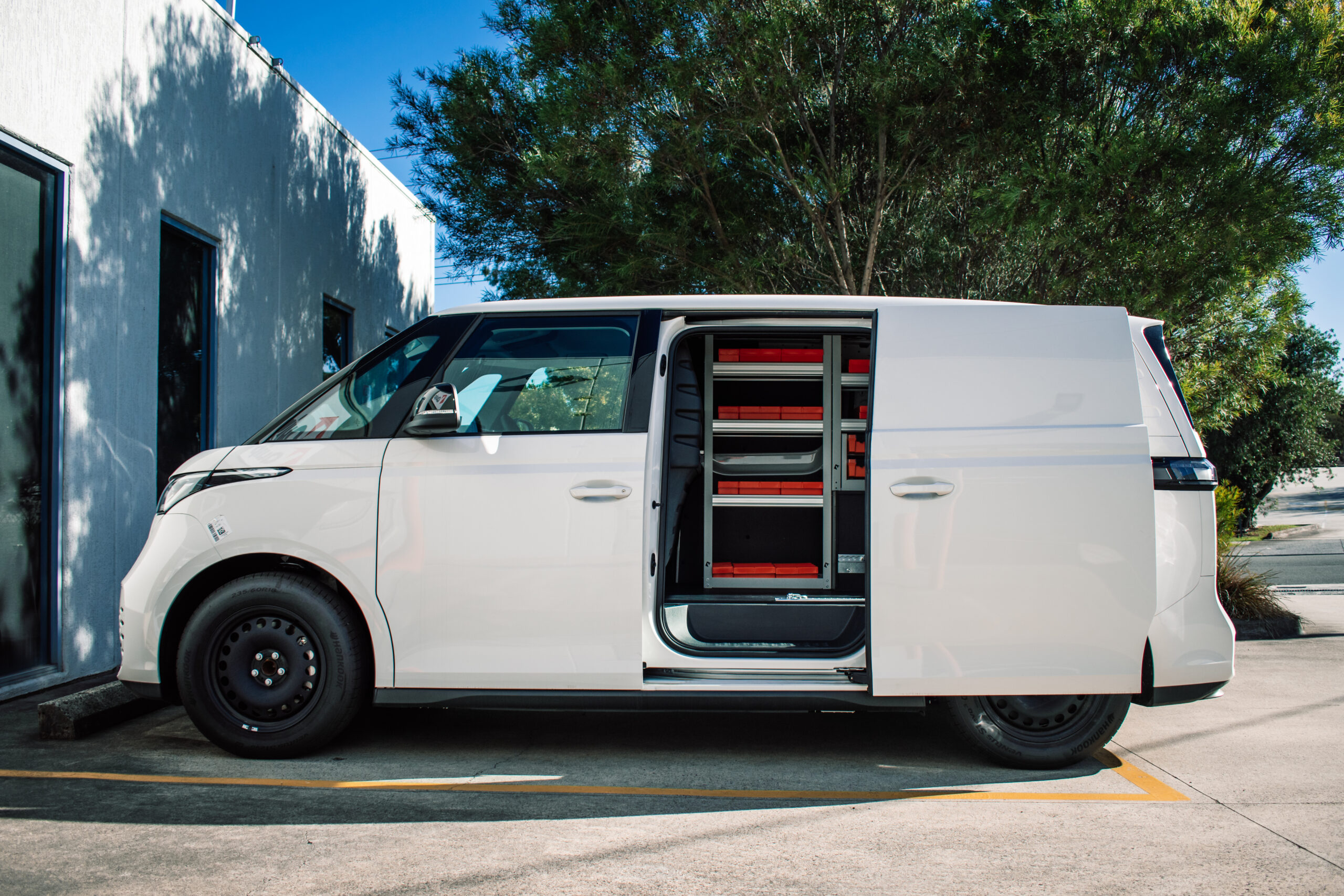
Well-designed shelving systems with clearly visible storage bins can make a major difference. When parts are easy to see and easy to reach, technicians can quickly confirm availability and move on with the repair.
This simple improvement can help reduce repeat visits and improve overall service efficiency.
Designing for Speed
The most effective fleet fitouts are designed with a single objective in mind: helping technicians work faster and more efficiently on-site.
This often involves features such as:
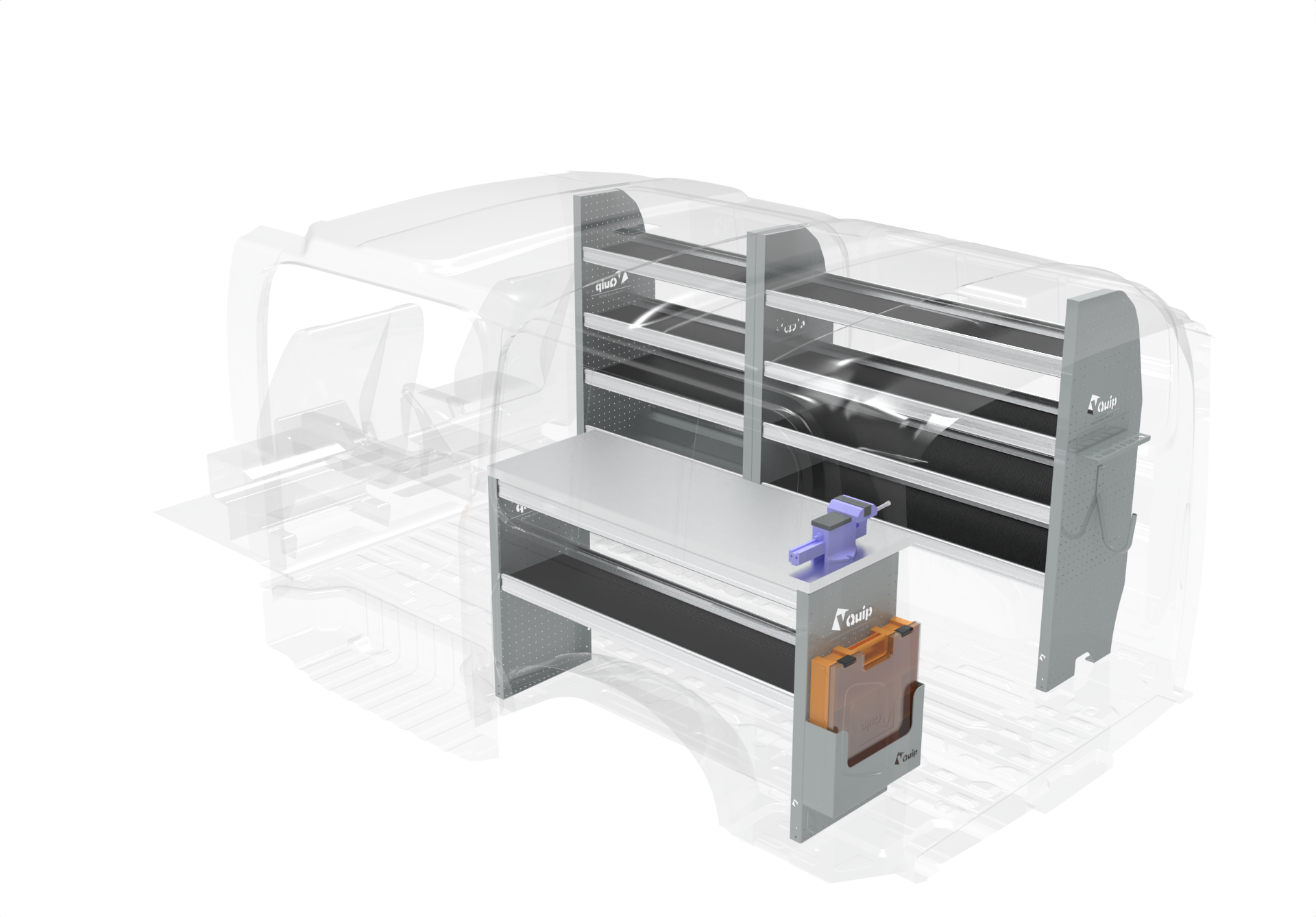
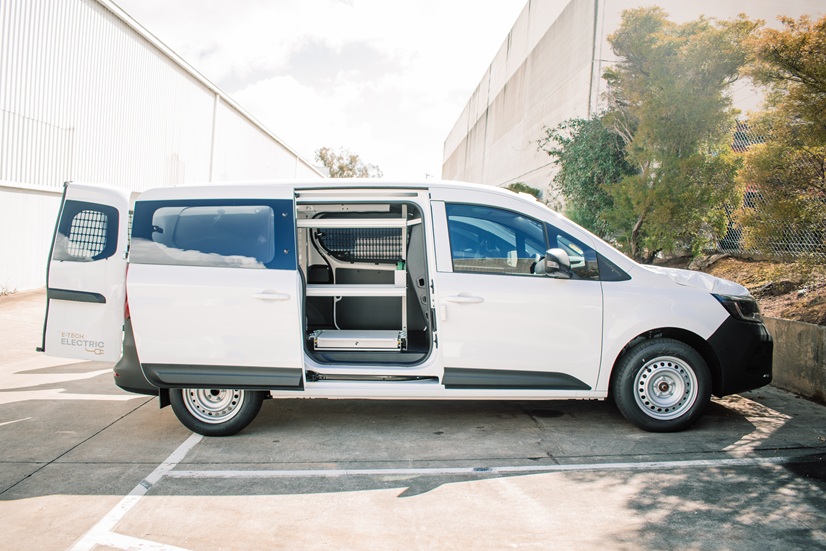
- shelving positioned for easy access from sliding doors
- slide-out systems for heavy equipment
- dedicated storage zones for common tools
- organised parts bins that allow quick visual identification
- auxiliary power systems for charging tools and devices on-site
The goal is to minimise friction during the technician’s workflow. Every tool should be exactly where it is needed, exactly when it is needed.
When vehicles are designed this way, technicians spend less time managing their equipment and more time delivering value to the customer.
Efficiency Comes From Real-World Design
The most efficient van fitouts are rarely designed purely on paper. They are developed through real-world experience and feedback from technicians who use the vehicles every day.
Understanding how technicians move, what tools they use most often, and how they approach their work allows vehicle layouts to be refined for maximum efficiency.
While a tidy van may look impressive, a truly efficient van is measured by how well it supports the technician during a busy day of work.
When fleet vehicles are designed around real workflows rather than appearance alone, the result is a more productive technician, faster service calls, and a better experience for customers.