The Lifecycle of a Fleet Service Van
Mar 9, 2026
For many organisations, a service van is simply another vehicle added to the fleet. In reality, however, each vehicle becomes a critical part of a technician’s daily operations. It functions as a mobile workshop, storage system and transport platform all in one.
Because of this, the journey of a fleet service van involves far more than simply ordering a vehicle and fitting out the back. From the initial specification stage through to replacement years later, a number of important steps shape how effective the vehicle will be in the field.
Understanding the lifecycle of a fleet service van can help fleet managers make better decisions and avoid common pitfalls along the way.
Specification: Involving the People Who Use the Vehicles
The lifecycle of a fleet service van begins long before the vehicle arrives at a dealership. The specification stage is where key decisions are made about the vehicle model, variant and equipment that will support the fleet’s operational needs.
One of the most important aspects of this stage is involving the people who will actually use the vehicles. Field technicians have first-hand experience with the tools they carry, the environments they work in and the challenges they encounter each day. Their input can reveal important considerations that may not be obvious during office-based planning.
For example, technicians can provide valuable feedback on things such as:
-
Door configuration and access points
-
Internal cargo dimensions and working height
-
Storage requirements for specific equipment
-
Roof rack needs for ladders or long materials
-
Electrical power requirements for tools or refrigeration systems
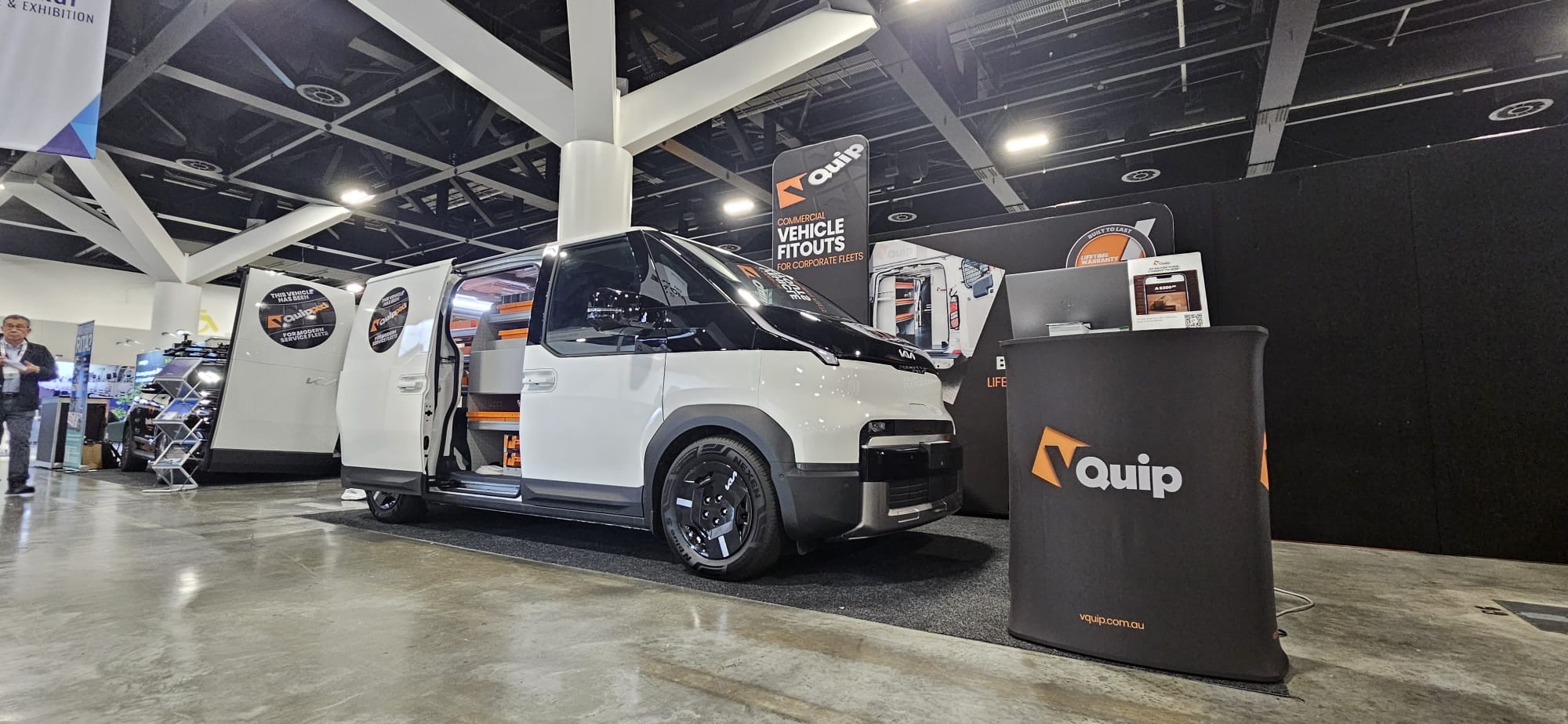
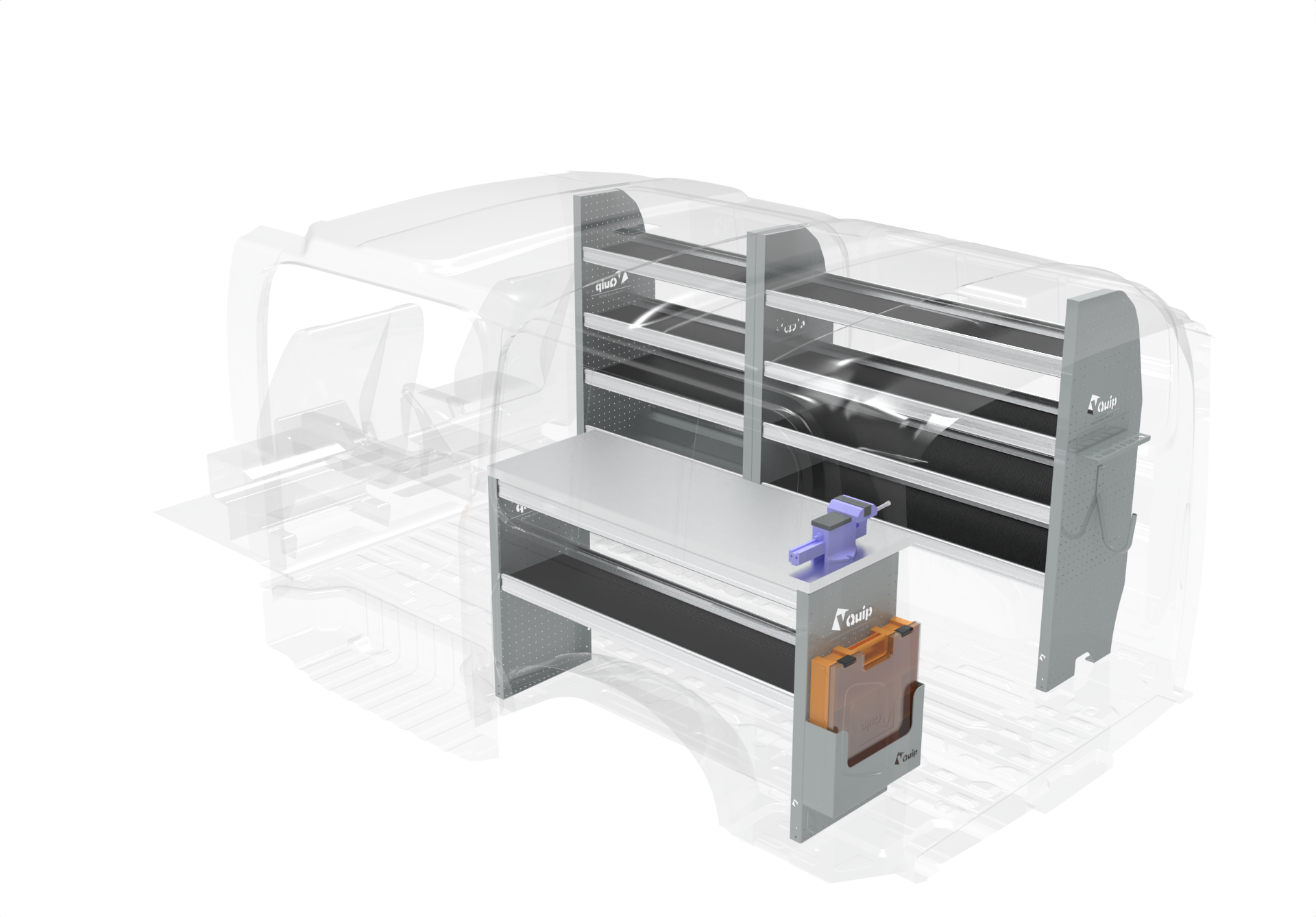
Another valuable step during the specification stage is developing concept designs of the proposed fitout. These concept layouts allow fleet managers and technicians to visualise how the vehicle will actually function once fitted out.
Concept drawings or renders can show shelving layouts, drawer systems, storage bins and equipment locations within the vehicle. Seeing the design before vehicles are ordered helps identify potential issues early and allows adjustments to be made before the specification is locked in.
Concept designs are also typically accompanied by an estimated cost for the fitout works. This provides fleet managers with a clearer understanding of the total vehicle cost, rather than looking only at the purchase price of the vehicle itself. In many cases, the fitout represents a significant portion of the overall investment, so understanding these costs early in the process helps avoid surprises later.
When technician input and concept design are incorporated early, fleets are far more likely to end up with vehicles that genuinely support productivity rather than creating daily frustrations for the people using them.
Ordering: Locking in the Vehicle Platform
Once the specification is agreed, the next step is ordering the vehicles themselves. At this stage, the selected make, model and variant determine many of the constraints that will influence the fitout design.
Factors such as wheel arch spacing, internal height, door configuration and payload capacity all affect what can be installed inside the vehicle. For fleet managers, this stage is about ensuring that the vehicle platform chosen will support the intended fitout and operational requirements.
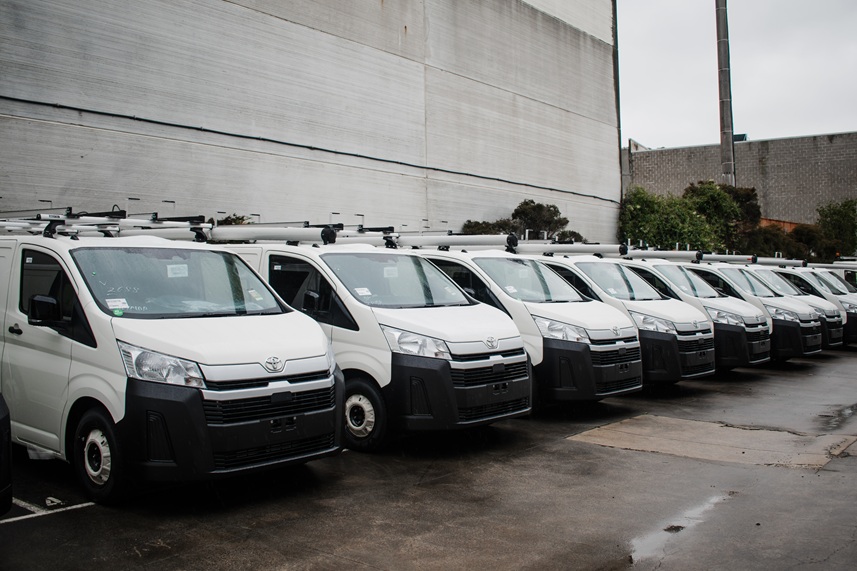
For larger fleets, ordering vehicles in batches is common, particularly when preparing for a national rollout. Careful coordination between the vehicle supplier and fitout provider becomes important to ensure vehicles are delivered at the right time and to the correct location.
Fitout: Turning the Vehicle Into a Mobile Workspace
Once vehicles arrive for fitout, the transformation from cargo van to service vehicle begins.
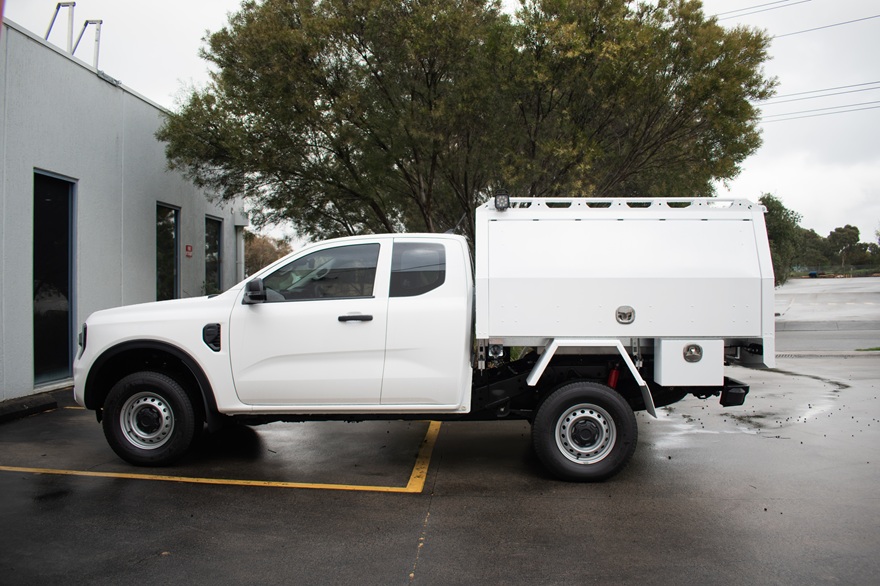
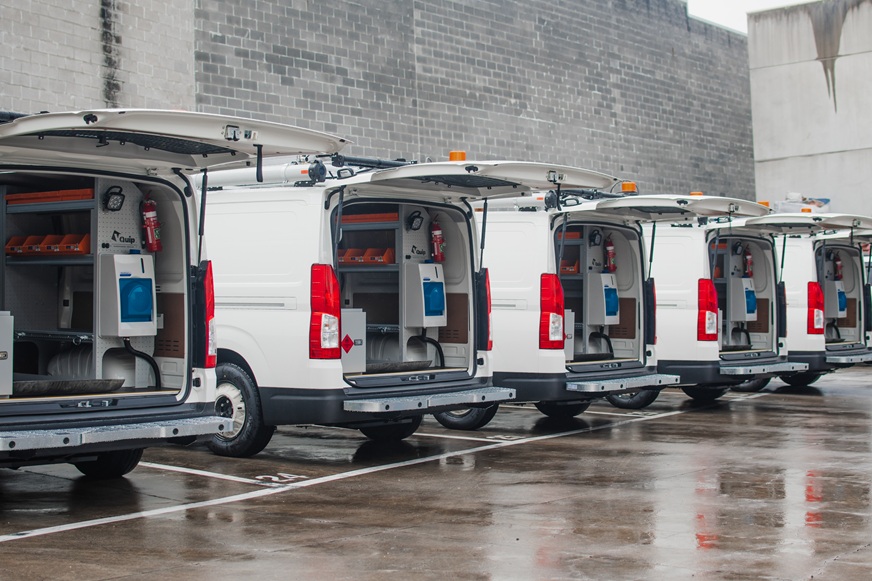
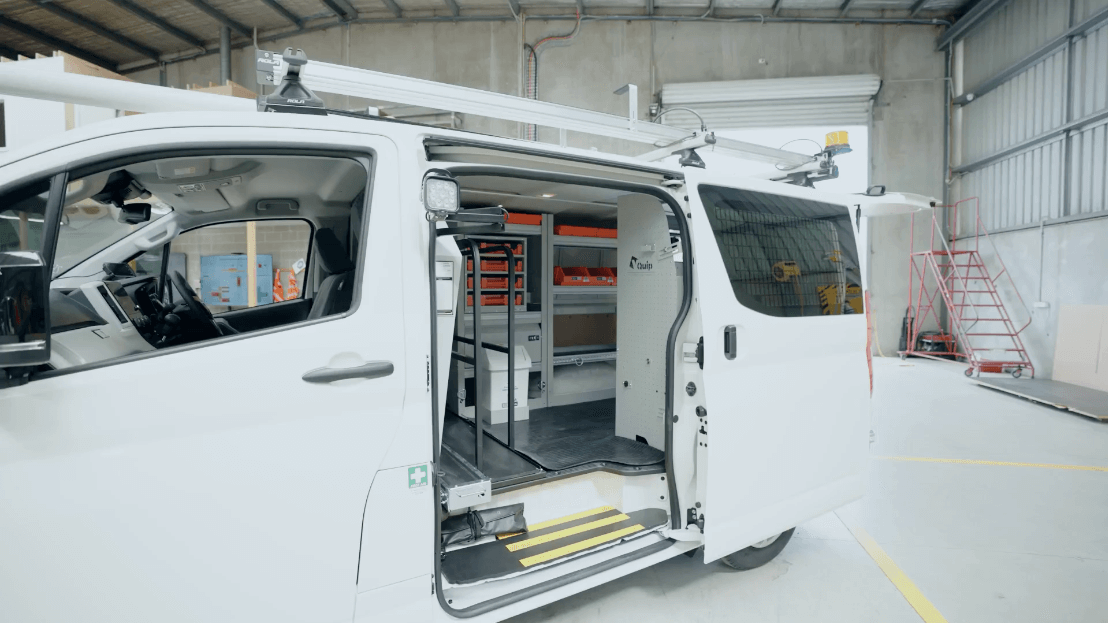
Shelving systems, drawer modules, storage bins, electrical systems, roof racks and safety equipment are installed to create a practical and organised workspace for technicians. This stage is where the vehicle starts to take on its operational identity.
For fleet managers overseeing multiple vehicles, particularly across different states or regions, visibility during the fitout stage becomes extremely important. Without clear communication and updates, it can be difficult to understand where vehicles are in the build process or when they will be ready for deployment.
Real-time production updates can help remove this uncertainty. Platforms such as VQuip’s VHub provide customers with visibility into the build progress of their vehicles, allowing fleet managers to see what stage each vehicle has reached during production.
This level of transparency becomes especially valuable in national fleet rollouts, where dozens or even hundreds of vehicles may be progressing through the build process at the same time.
Quality assurance is another critical element during the fitout stage. Digital QA reports with photos allow fleet managers to see exactly how each vehicle has been built before it leaves the production facility. For organisations managing fleets across multiple regions, this documentation provides confidence that vehicles have been assembled to the agreed specification and quality standards.
Technician Use: The Vehicle in Daily Operation
Once delivered, the service van begins its most important phase: supporting technicians in the field.
During daily operations the vehicle becomes the technician’s mobile base of operations. Tools, parts and equipment are accessed dozens of times each day, and the layout of the fitout plays a direct role in how efficiently technicians can work.
Well-designed layouts help technicians find equipment quickly, maintain organisation and reduce unnecessary movement. Over time, small efficiencies in layout and storage can translate into meaningful productivity improvements across an entire fleet.
This stage also provides valuable feedback. Technicians often identify ways layouts can be refined or improved based on real-world use. These insights can be incorporated into future vehicle specifications as the fleet evolves.
Maintenance: Keeping Vehicles Operational
Like any working asset, service vans require ongoing maintenance. Over time shelving systems, drawers and mounting points experience wear, particularly in vehicles that carry heavy tools or operate in demanding environments.
Standardised fitout designs can simplify this stage considerably. When vehicles share common components and layouts, replacement parts can be stocked more easily and repairs can be performed more quickly.
Regular inspections of storage systems, electrical installations and load restraint equipment help ensure vehicles remain safe and functional throughout their service life.
Replacement: Planning for the Next Generation
Eventually, every fleet vehicle reaches the end of its operational lifecycle. Replacement cycles vary depending on fleet policies, but many service vans remain in operation for five to seven years before being replaced.
By this stage, fleet managers have gathered valuable insights from technician feedback, maintenance records and operational experience. These learnings feed directly back into the next specification stage.
In this way, the lifecycle of a fleet service van becomes a continuous loop. Each generation of vehicles builds on the experience of the previous one, gradually refining the design and improving operational efficiency.
A Continuous Process
While it is easy to think of fleet vehicles as static assets, in reality they are part of an ongoing operational process.
From the moment a vehicle is specified through to its eventual replacement, each stage plays a role in determining how effectively it will support technicians in the field.
When fleet managers approach this lifecycle strategically, involving technicians early, using concept designs to visualise layouts, maintaining visibility during production, and capturing insights from real-world use, service vans become far more than just transport. They become well-designed tools that support the productivity and reliability of the entire fleet.