The Real Difference Between a “Van Fitout” and a “Fleet Fitout”
Mar 20, 2026
At first glance, fitting out a commercial van might seem straightforward. Install shelving, secure some storage systems, and the vehicle is ready for work. But when organisations move from a single vehicle to a national fleet rollout, the complexity increases dramatically.
While the terms are often used interchangeably, there is a significant difference between a van fitout and a fleet fitout. Understanding that difference is important for fleet managers planning multi-vehicle programs across different locations.
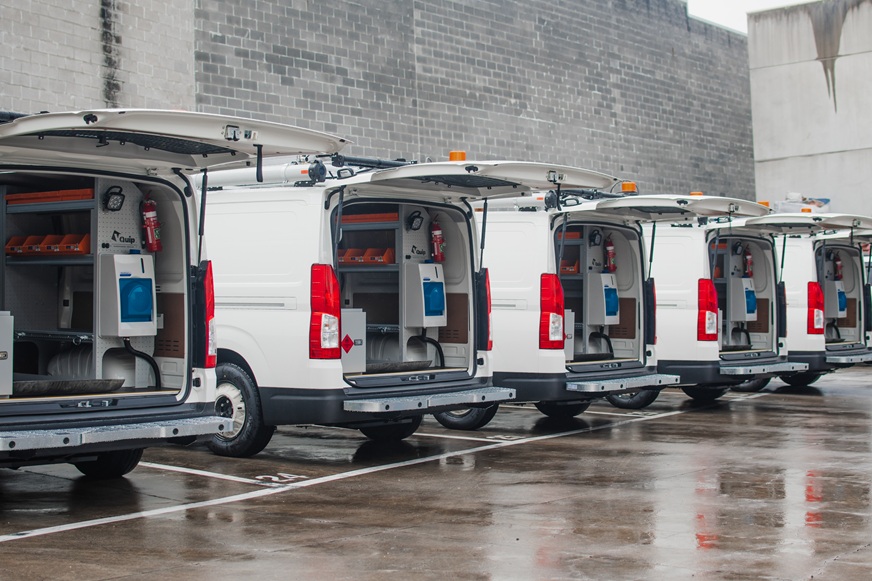
A true fleet fitout requires far more than simply installing equipment. It involves standardisation, engineering validation, rollout logistics, and detailed documentation to ensure every vehicle performs consistently across the entire fleet.
Standardisation Across the Entire Fleet
One of the biggest differences between a single van fitout and a fleet rollout is the need for consistent specifications across multiple vehicles.
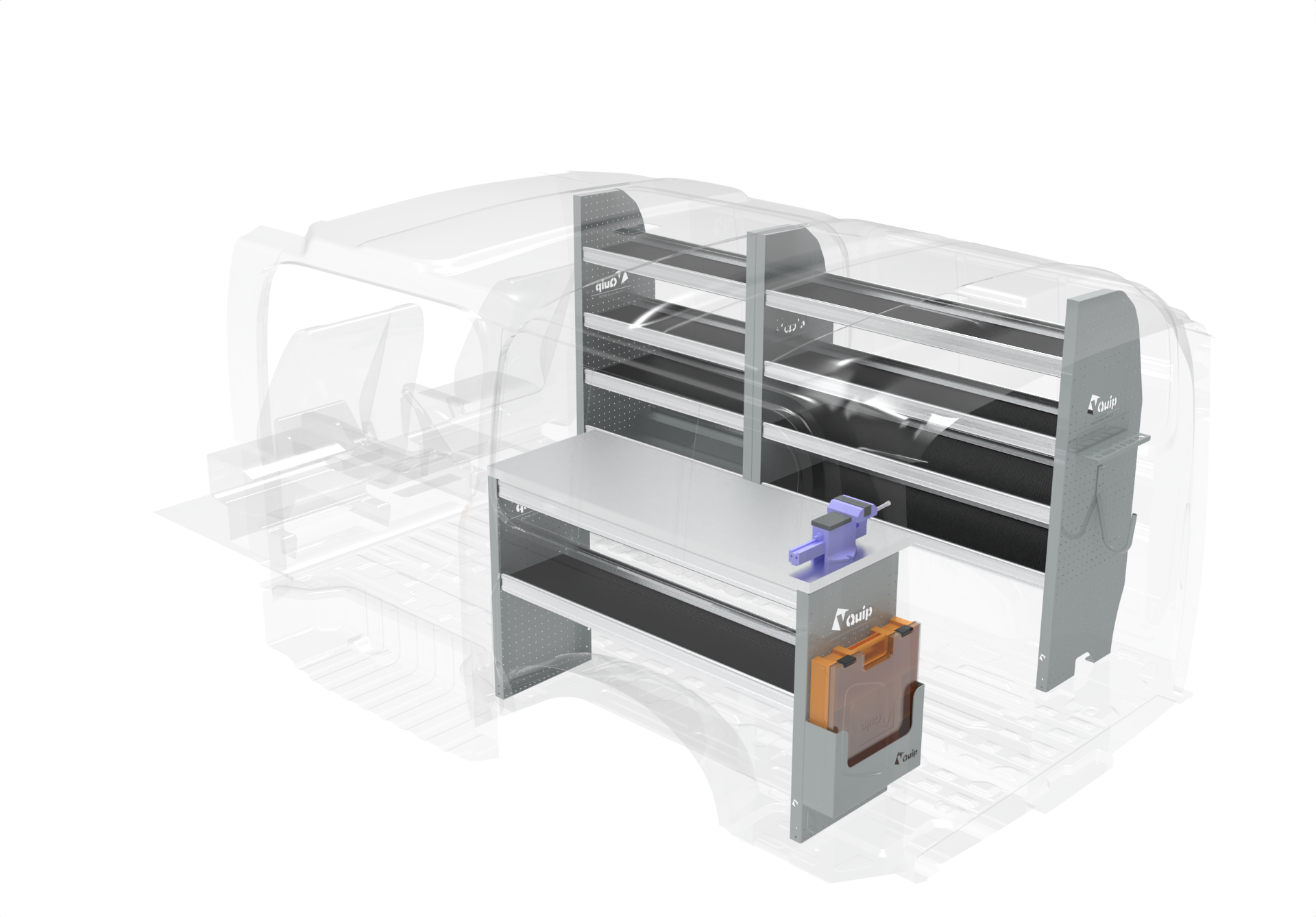
For an individual vehicle, the fitout can often be tailored specifically to the user. With a fleet, however, the design needs to work for dozens or even hundreds of technicians performing similar tasks.
Standardisation helps fleets achieve:
-
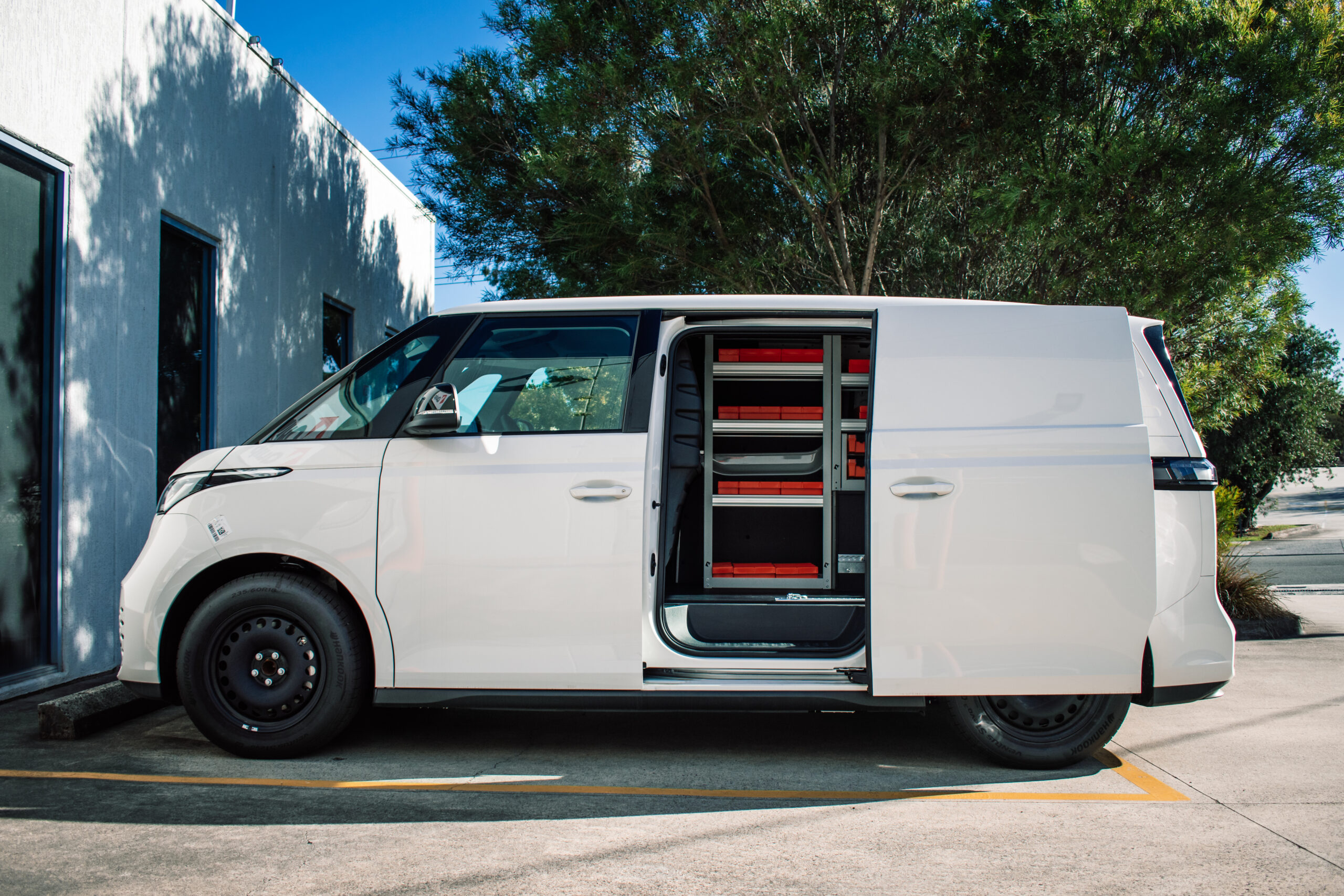
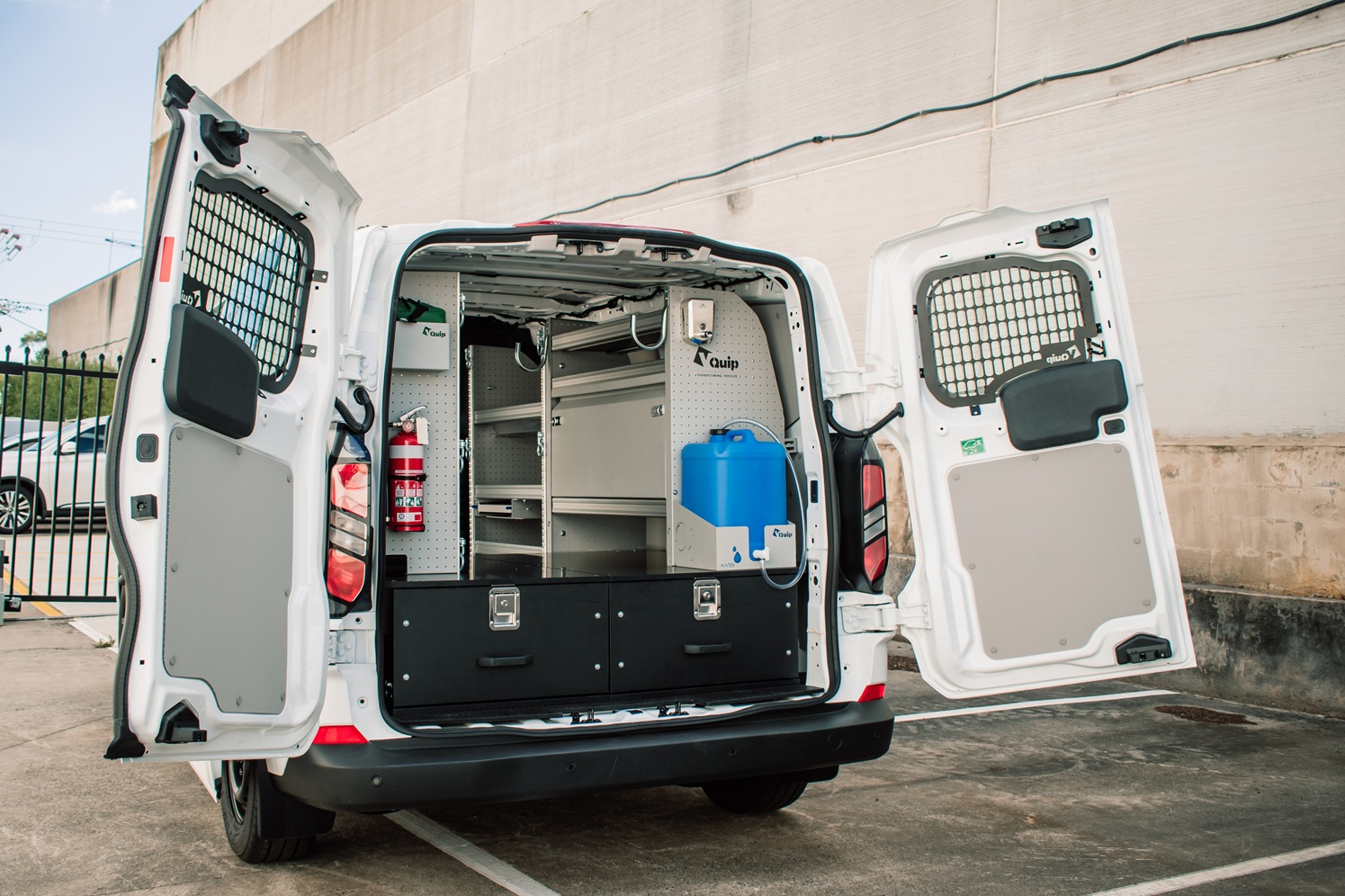
Consistent storage layouts across vehicles
-
Interchangeable parts and components
-
Easier technician onboarding
-
Simplified maintenance and repairs
-
Improved operational efficiency
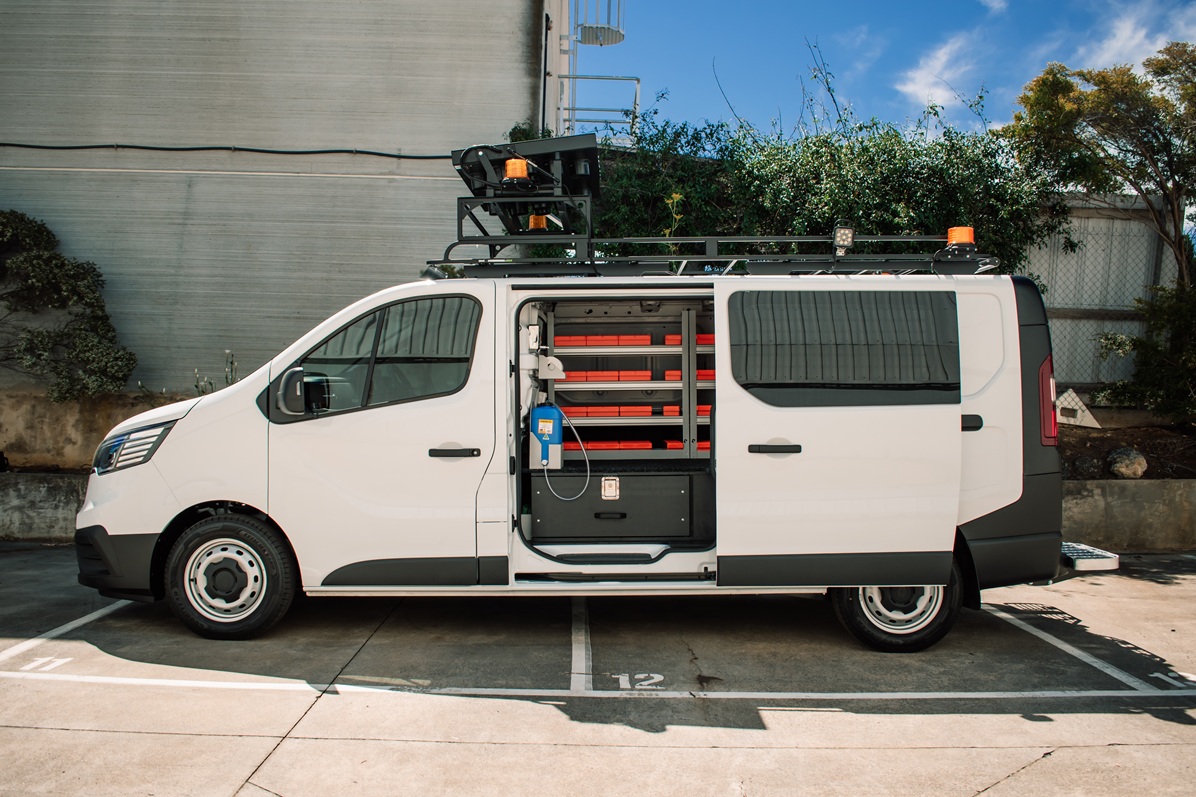
When technicians move between vehicles with identical layouts, they already know where tools and equipment are stored. This reduces time lost searching for items and improves overall productivity.
Rollout Logistics and Scheduling
A fleet rollout also requires careful coordination between multiple stakeholders.
Vehicle supply, fitout scheduling, and delivery timelines all need to be aligned to avoid delays. Fleet managers often need to coordinate between:
-
Vehicle manufacturers or dealers
-
Fitout providers
-
logistics and transport providers
-
internal fleet teams
Without careful planning, even small disruptions in vehicle availability can create delays across an entire rollout.
This is why professional fleet fitouts often rely on structured production schedules, staged installations, and clear communication throughout the build process.
Engineering Validation and Compliance
Fleet fitouts also demand a higher level of engineering validation than many individual vehicle builds.
When the same fitout design is repeated across a large number of vehicles, it becomes essential to ensure the system is safe, compliant, and suitable for the vehicle platform.
This can include:
-
verifying vehicle payload capacity
-
assessing weight distribution within the cargo area
-
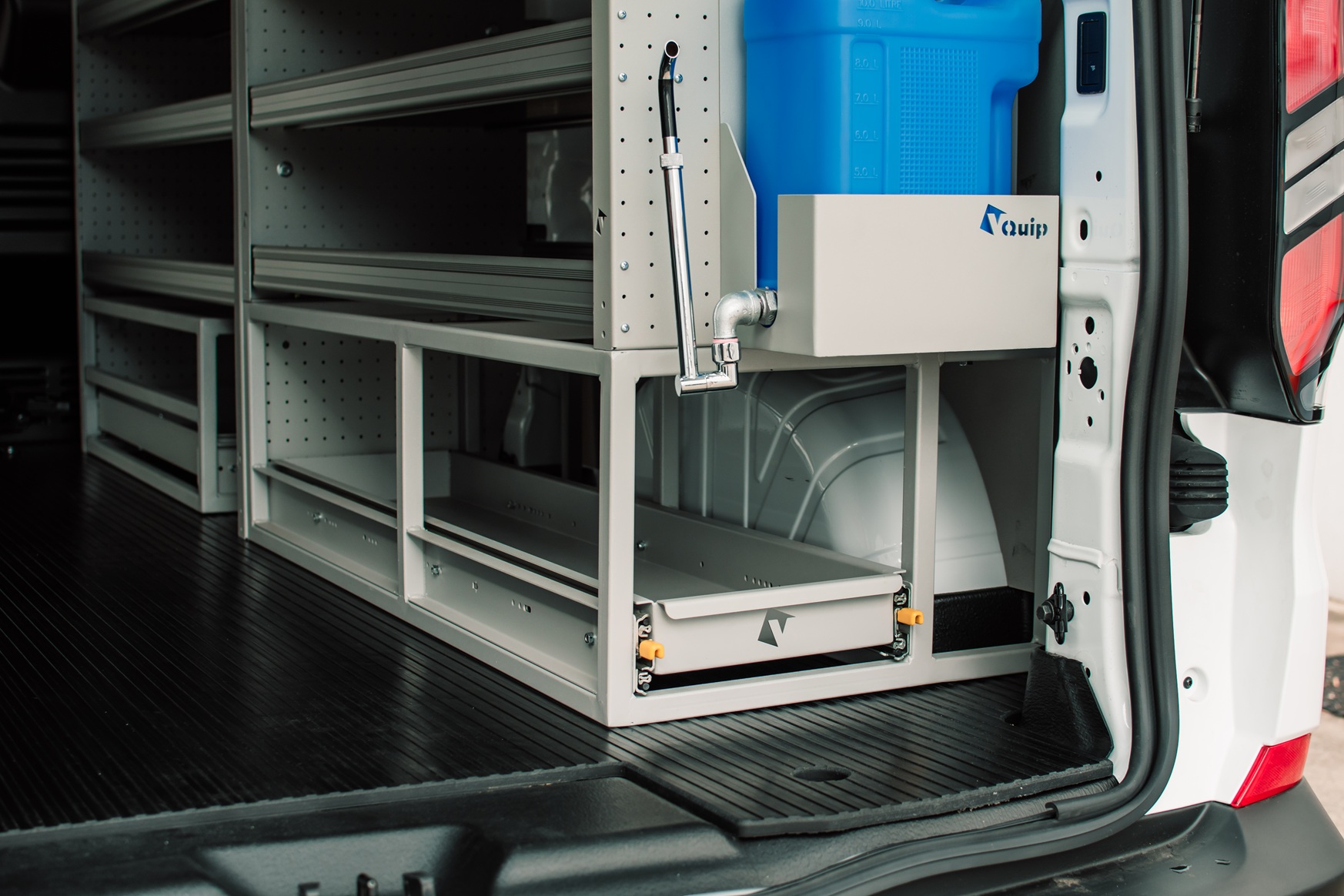
ensuring equipment is securely mounted
-
meeting relevant Australian Design Rules and safety requirements
Proper engineering validation ensures the design can be replicated across the fleet without creating safety or compliance issues.
National Installation Capability
Many fleet customers operate across multiple states or regions, which introduces another layer of complexity.
A fleet fitout provider needs the capability to install vehicles across different locations while maintaining the same standards and specifications. This often requires:
-
coordinated installation partners
-
consistent build documentation
-
standardised component kits
-
quality control processes across sites
Without this level of coordination, vehicles built in different locations can quickly diverge from the intended design.
Documentation and Reporting
Documentation is another key factor that separates a fleet fitout from a typical vehicle build.
Fleet managers often require detailed records for every vehicle, including:
-
build specifications
-
installation documentation
-
quality assurance reports
-
photographic records of completed vehicles
This documentation provides traceability and confidence that each vehicle has been built according to the approved specification.
For national fleets, digital reporting and visibility tools are becoming increasingly important, allowing fleet teams to monitor build progress and review completed vehicles remotely.
More Than Just Installing Equipment
Ultimately, the difference between a van fitout and a fleet fitout comes down to scale, structure, and repeatability.
A single vehicle build focuses primarily on installing equipment for an individual user. A fleet fitout, however, requires a much broader approach that considers standardisation, engineering validation, rollout logistics, and long-term fleet management.
For fleet managers, working with a provider experienced in structured fleet rollouts can make a significant difference in delivering consistent, reliable vehicles across the entire fleet.
Because when dozens or hundreds of vehicles are involved, success depends on far more than simply installing shelving.