What Telecommunications Technicians Need from a Service Vehicle
Jun 1, 2026
From installing fibre networks and commissioning communications infrastructure through to fault finding and maintenance work, telecommunications technicians rely heavily on their service vehicles every day. More than simply a means of transport, a well-designed vehicle becomes a mobile workshop, storage facility, and operational hub that directly impacts technician productivity and first-time fix rates.
With technicians often attending multiple sites per day and carrying a wide range of tools, testing equipment, cable, conduit, and consumables, the right fitout can significantly improve efficiency, safety, and organisation.
Organisation is Critical
Telecommunications and fibre-optic technicians typically carry hundreds of individual components, ranging from connectors and patch leads through to testing devices, hand tools, consumables, and spare parts.
Without a structured storage system, valuable time can be lost searching for equipment or managing stock levels.
A practical fitout should provide dedicated storage locations for commonly used items through features such as:
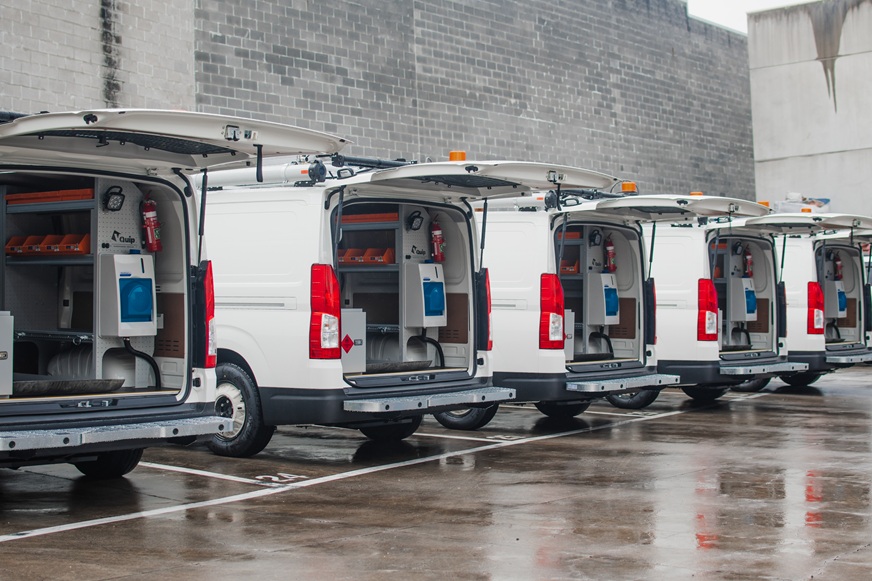
- Multi-level shelving systems
- Parts bins and consumable storage
- Lockable equipment compartments
- Carry case storage systems
- Tool storage solutions
- Cable and conduit management
Keeping equipment organised not only improves productivity but also helps technicians maintain a professional image when attending customer sites.
Protecting Valuable Testing Equipment
Many telecommunications technicians carry specialised equipment worth thousands of dollars, including fibre fusion splicers, OTDR testers, network analysers, certification equipment, and diagnostic tools.
Protecting this equipment during transport is essential. Secure storage solutions help prevent damage caused by vehicle movement while ensuring sensitive equipment remains readily accessible when required.
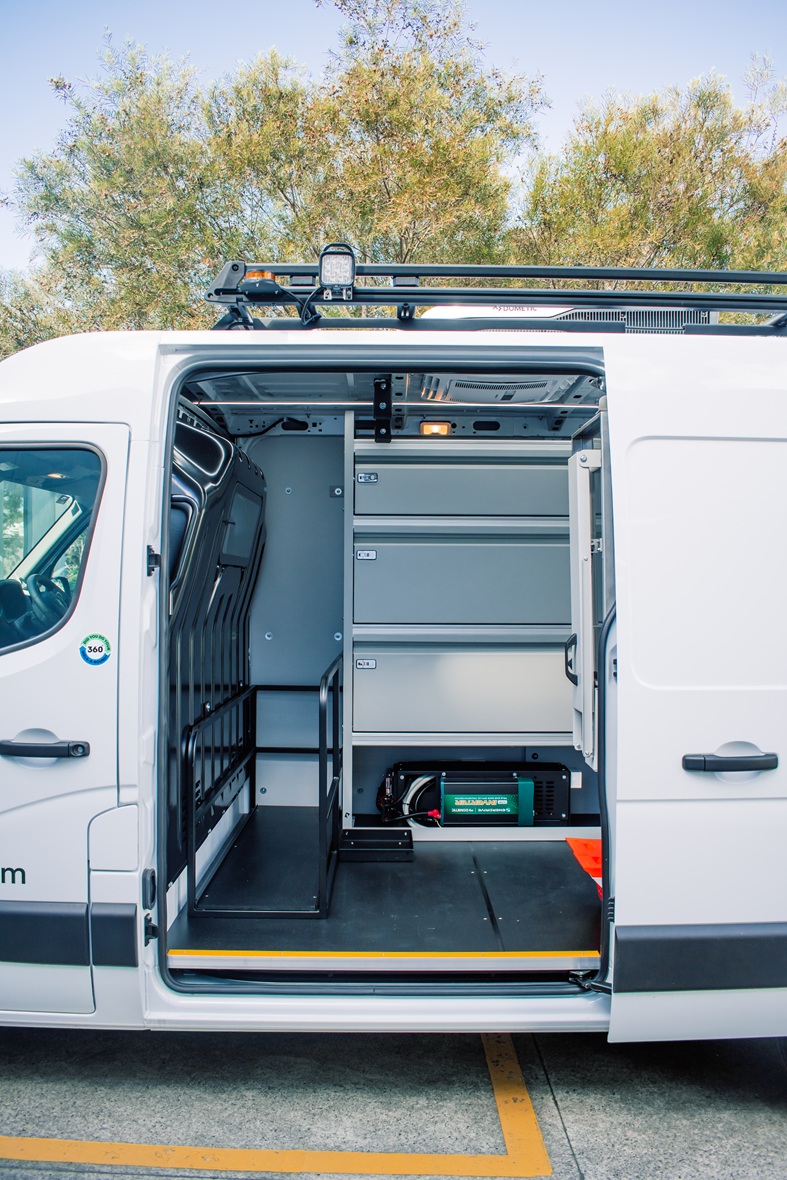
Hardwood ply drawer systems, lockable storage compartments, and dedicated equipment storage areas can all help ensure expensive testing equipment remains protected and operational.
The Value of a Splicing Hatch
For fibre-optic technicians, a splicing hatch can be one of the most valuable additions to a service vehicle.
A splicing hatch provides direct access into the side of the vehicle, allowing technicians to operate fibre splicing equipment from within the van while remaining protected from weather, dust, and other environmental conditions.
This creates a more controlled working environment for delicate fibre-optic work and allows technicians to perform tasks such as fibre splicing, testing, and commissioning without setting equipment up on the roadside or customer premises.
Benefits of a dedicated splicing hatch include:
- Improved protection of sensitive splicing equipment
- Reduced setup and pack-up times
- Increased productivity on fibre installation projects
- Improved technician comfort during adverse weather
- Enhanced site safety through reduced roadside equipment exposure
When combined with an integrated workbench and power system, a splicing hatch effectively transforms a van into a mobile fibre workshop.
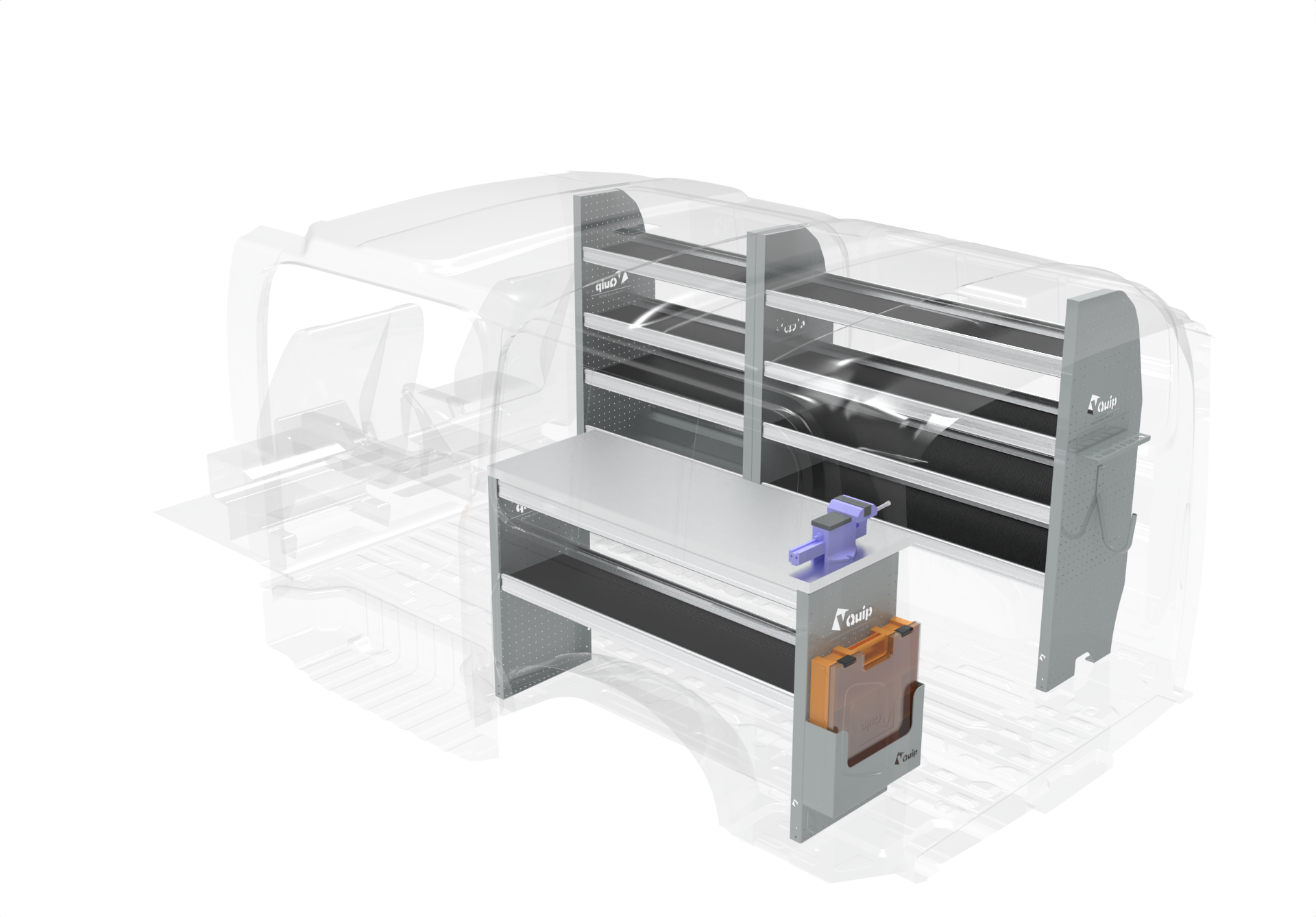
Dedicated Workbench and Mobile Workshop Capability
Telecommunications technicians frequently need to terminate cables, configure equipment, complete testing, or perform minor assembly work while in the field.
A dedicated workbench area allows many of these tasks to be completed directly from the vehicle, reducing downtime and improving efficiency.
Common mobile workshop features include:
- Integrated workbenches
- Fold-down vice mounts
- Carry case storage systems
- Small parts organisation systems
- Inverter systems for charging equipment
- LED task lighting
These features provide technicians with a functional workspace regardless of location.
Managing Cables, Conduit and Long Materials
Many telecommunications contractors need to transport ladders, conduit, fibre ducting, cable reels, installation poles, and other bulky equipment.
Roof rack systems are often essential for safely carrying these longer items while preserving valuable internal storage space.
Purpose-built roof storage solutions may include:
- Ladder rollers
- Conduit carriers
- Load restraint systems
- Rear access rollers
- Dedicated ladder storage systems
These features help technicians transport equipment safely while reducing manual handling risks.
Supporting First-Time Fix Rates
Every return visit to a customer site increases costs and reduces operational efficiency.
For this reason, many telecommunications fleet managers focus heavily on improving first-time fix rates by ensuring technicians have access to the right tools, spare parts, testing equipment, and consumables during every job.
A well-designed fitout allows technicians to carry more equipment in an organised manner while maintaining easy access to frequently used items. This reduces delays, improves productivity, and increases the likelihood of resolving issues during the first visit.
Vehicle Safety and Load Restraint
Telecommunications vehicles often carry a combination of heavy equipment, ladders, cable reels, testing devices, and consumables.
Proper load restraint is essential to protect both technicians and equipment.
Common fitout features include:
- Cargo barriers
- Mesh wall panels
- Load restraint points
- Lockable drawers
- Secure shelving systems
These systems help prevent equipment movement during transit while supporting workplace safety requirements.
Choosing the Right Vehicle
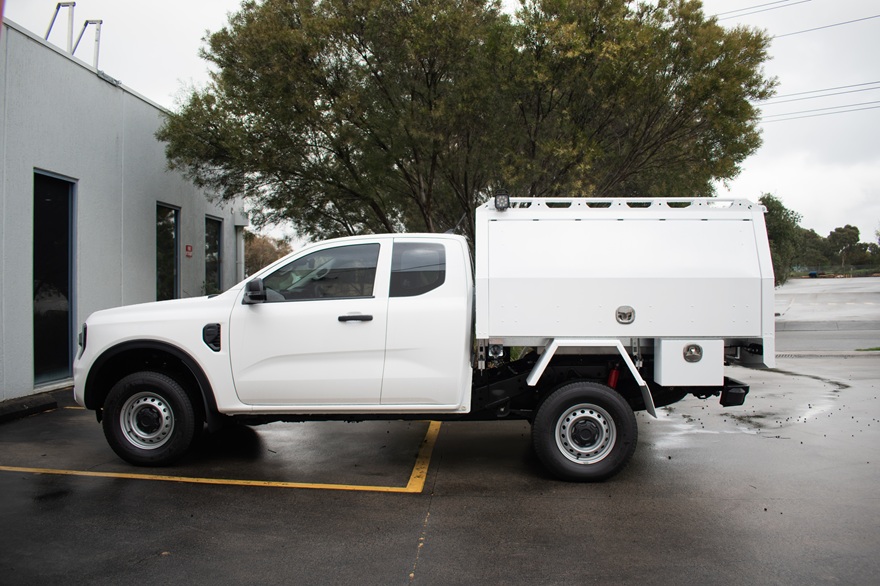
The choice of vehicle platform can have a significant impact on the effectiveness of a telecommunications fitout.
Factors such as payload capacity, cargo volume, roof height, access points, and vehicle dimensions all influence the final design.
Popular vehicles used throughout the telecommunications industry include:
- Ford Transit Custom
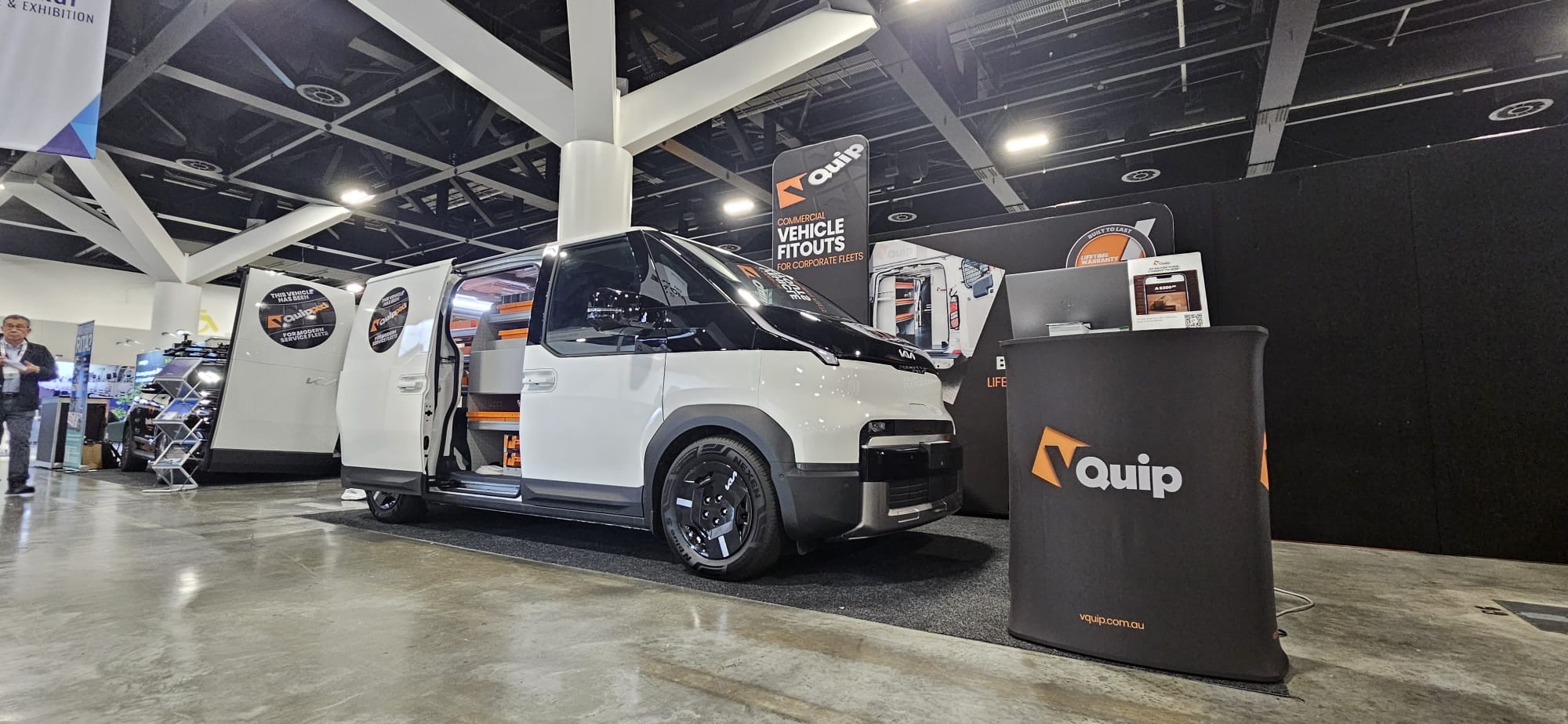
- Hyundai Staria Load
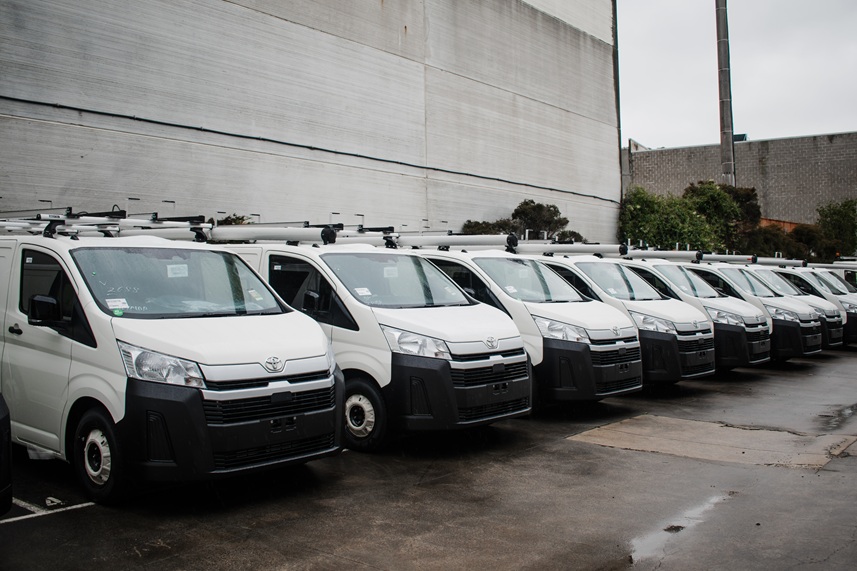
- Toyota Hiace (both LWB and SLWB)
- Renault Trafic
- Mercedes-Benz Vito
The ideal vehicle will depend on the type of work being performed, the volume of equipment carried, and the operational requirements of the fleet.
Designing Around the Technician
The most effective telecommunications vehicle fitouts are designed around the way technicians actually work.
Rather than simply maximising storage space, the focus should be on improving workflow, protecting equipment, reducing setup times, and supporting efficient site operations.
Whether it’s a fibre splicing van, network maintenance vehicle, NBN contractor fleet, or communications infrastructure service vehicle, the right fitout can help technicians work safer, faster, and more effectively every day.
At VQuip, we work closely with telecommunications contractors, network providers, and infrastructure organisations to design practical vehicle fitouts that improve organisation, enhance productivity, and support reliable field operations across Australia.