Why Standardised Fleet Fitouts Save More Than Just Time
Mar 9, 2026
When organisations roll out service vehicles across multiple regions, the focus is often on the vehicle itself. Decisions are made about the make, model, engine type, and lease terms. Once those decisions are locked in, the conversation moves to the vehicle fitout.
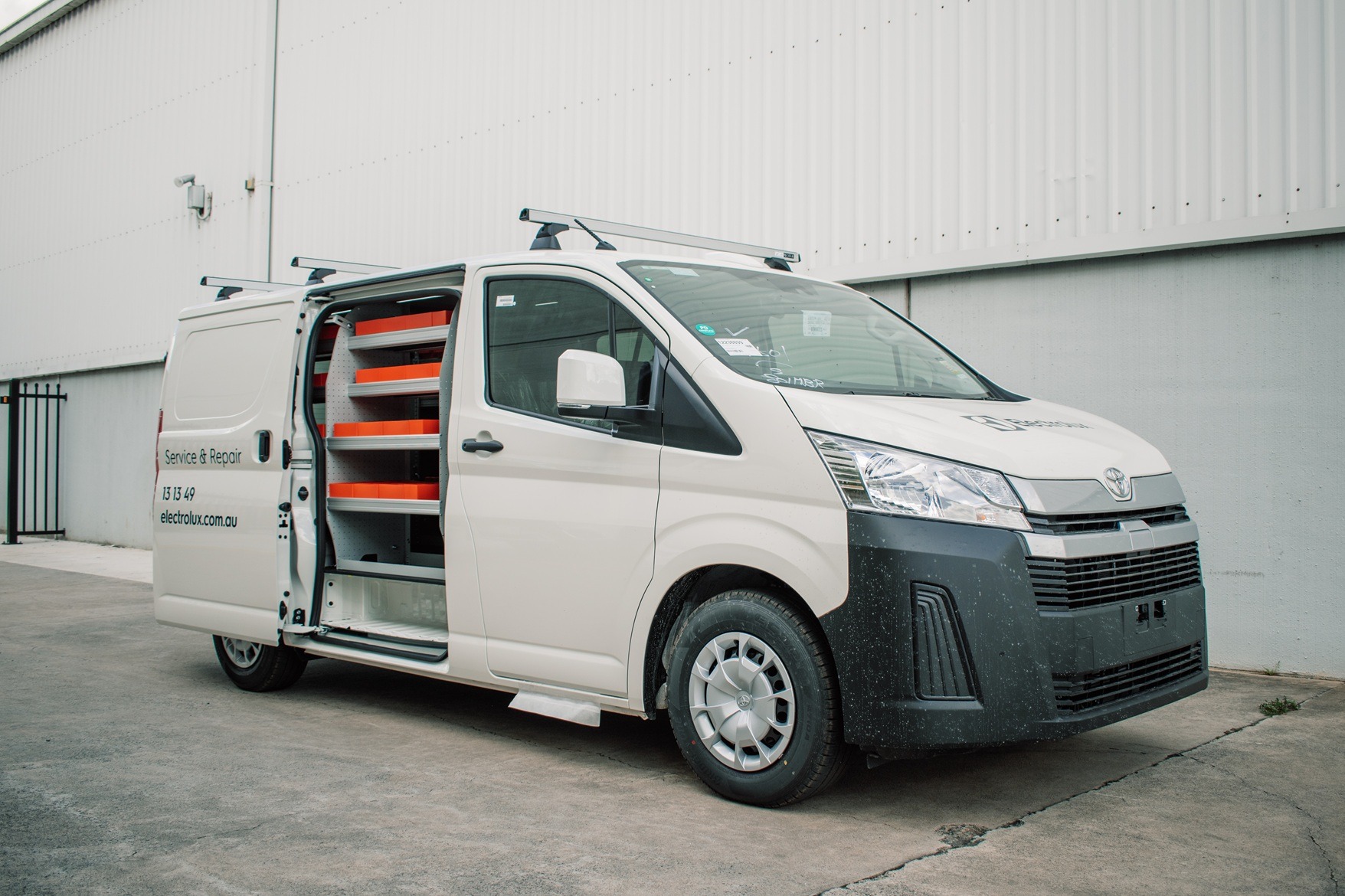
In many cases, fleets treat each fitout as an individual project. Small differences are introduced from vehicle to vehicle, layouts are adjusted based on individual preferences, and equipment is added or removed depending on the technician or location.
At first glance this approach seems flexible. But over time, fleets often discover that a lack of standardisation introduces unnecessary complexity.
Standardised fleet fitouts, where vehicles follow a consistent layout and equipment specification, can deliver benefits that extend well beyond saving time during the rollout phase.
Consistency of Spare Parts and Equipment
One big advantages of a standardised fitout is the consistency it brings to the equipment installed across the fleet.
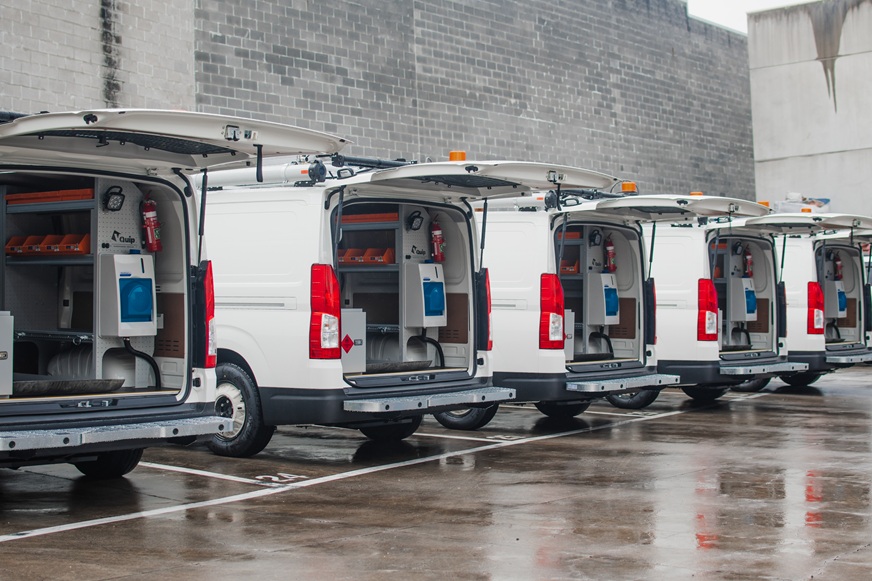
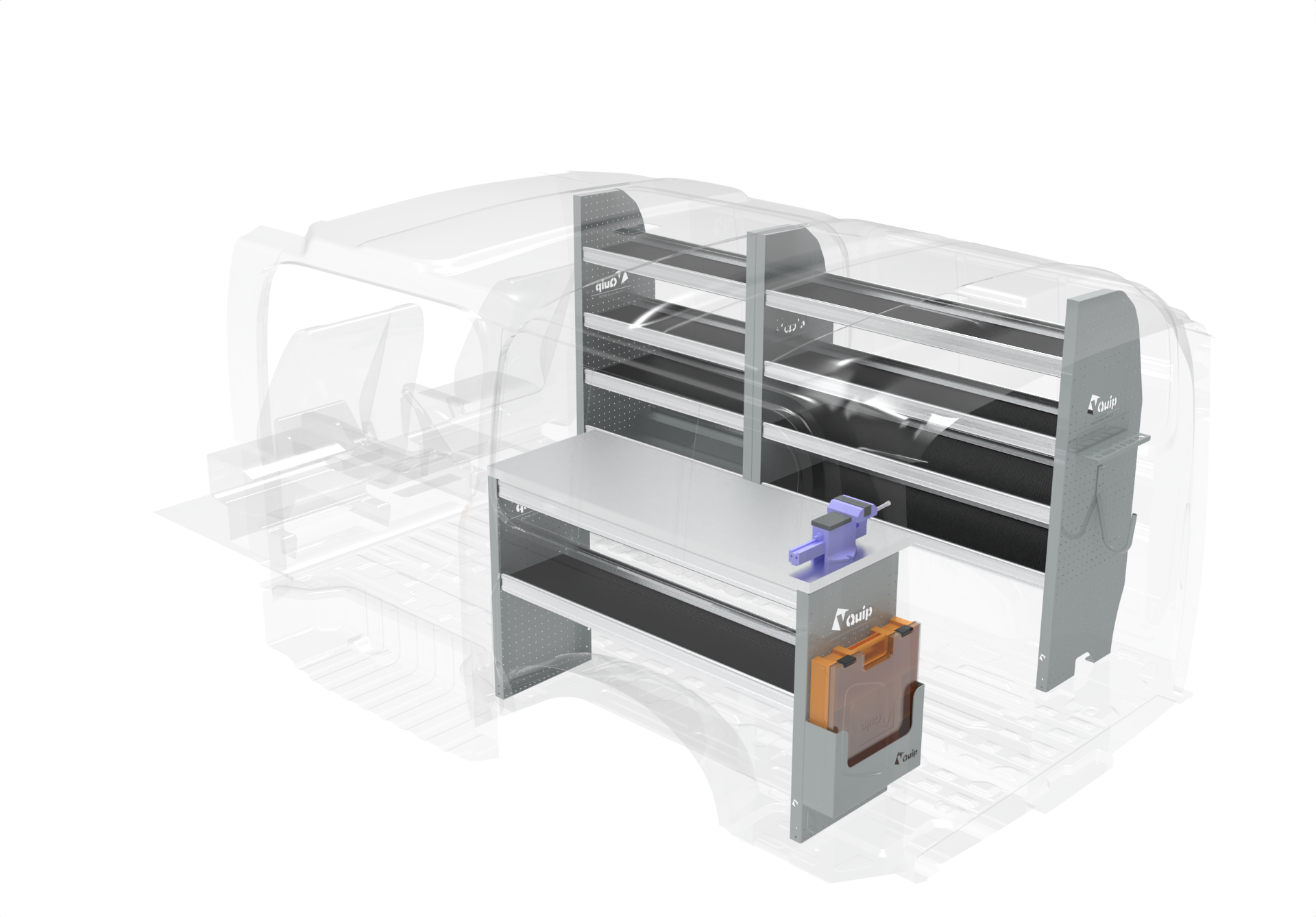
When every vehicle contains the same shelving systems, drawer modules, storage bins and mounting hardware, fleets can maintain a common set of spare parts. If a component becomes damaged or worn, it can be replaced quickly using stock already held in inventory.
Without standardisation, spare parts management becomes far more complicated. Small variations in layouts can require different drawer sizes, shelving components or brackets, meaning replacement parts must be sourced individually for each vehicle.
Over time this leads to longer repair times and increased inventory complexity.
Technician Familiarity Across the Fleet
Service technicians rely on their vehicles as mobile workspaces. The more familiar they are with the layout, the more efficiently they can operate.
When vehicles follow a standardised design, technicians know exactly where tools, parts and equipment are stored, regardless of which vehicle they are using. This becomes particularly important in fleets where vehicles may be reassigned, replaced or shared between technicians.
Consistency reduces the time spent searching for equipment and allows technicians to work more confidently in different vehicles.
It also simplifies onboarding. New technicians joining the organisation only need to learn one layout rather than adapting to multiple variations.
Simpler Maintenance and Repairs
Fleet vehicles operate in demanding environments, and wear and tear on storage systems is inevitable over time.
Standardised fitouts make maintenance far simpler. Because the same components are used across the fleet, repair procedures become repeatable and predictable. Technicians responsible for maintaining the vehicles become familiar with how the systems are installed and how they can be repaired.
Replacement components can often be swapped directly from one vehicle to another if required, reducing downtime and keeping vehicles operational.
In contrast, fleets with highly customised fitouts often face longer repair times because each vehicle must be assessed individually.
Improved Efficiency During Fleet Rollouts
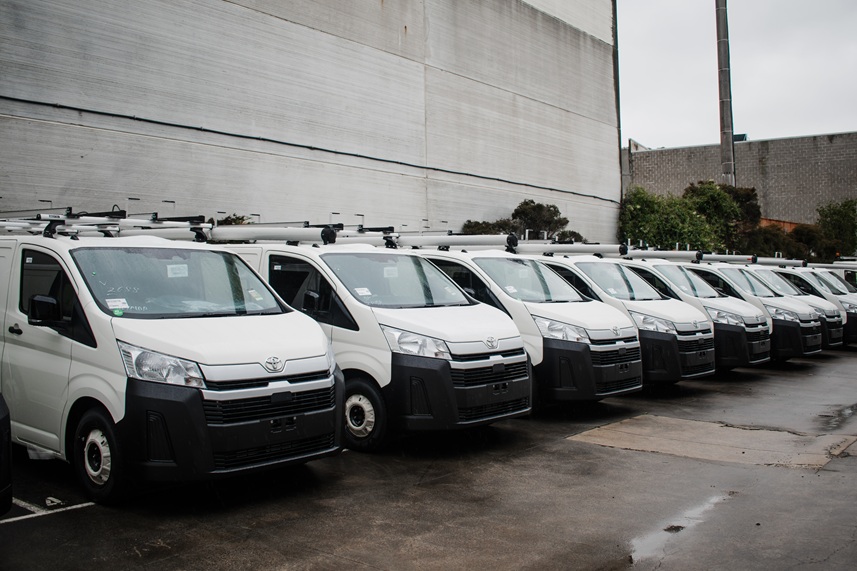
Large fleet rollouts can involve dozens or even hundreds of vehicles being built within a defined timeframe.
When the fitout design is standardised, production becomes far more efficient. Once the layout and equipment specification have been finalised, the same design can be repeated across multiple vehicles with minimal variation.
This consistency simplifies project management and reduces the likelihood of specification errors or unexpected changes during the build process.
Standardisation also makes it easier for fleet managers to understand exactly what equipment each technician will receive, ensuring that vehicles delivered in different locations remain consistent with the agreed specification.
Supporting Long-Term Fleet Planning
Fleet vehicles typically remain in service for many years, and their fitouts need to support long-term operational planning.
Standardised layouts make it easier to manage vehicle replacements and fleet expansion. When new vehicles are introduced, they can follow the same layout as the existing fleet, maintaining consistency for technicians and maintenance teams.
This approach also simplifies lifecycle planning, as organisations can predict how components will wear over time and plan for replacements accordingly.
A System Rather Than Just a Fitout
A vehicle fitout is often viewed as a collection of shelves, drawers and storage solutions. In reality, for many fleets it becomes part of a much larger operational system.
When fitouts are standardised, they help create consistency across vehicles, technicians and regions. Equipment is easier to maintain, technicians can work more efficiently, and fleets can scale their operations with greater confidence.
For organisations managing large or growing service fleets, the benefits of standardisation extend far beyond the initial rollout. It becomes a foundation for a more predictable, efficient and manageable fleet operation.