From Enquiry to Installation: How Standardisation Speeds Up Fleet Deployment
Jun 15, 2026
For many fleet operators, the pressure to get vehicles on the road has never been greater.
Technician shortages, increasing service demands and longer vehicle lead times mean that every day a vehicle spends waiting for a fitout is a day it’s not generating value. While much attention is often given to vehicle procurement timelines, the fitout process itself can also become a significant bottleneck if not managed effectively.
One of the most effective ways organisations are reducing deployment times is through fitout standardisation.
By leveraging proven, repeatable vehicle fitout designs, fleet operators can significantly reduce design lead times, improve production efficiency and accelerate the delivery of new vehicles to frontline teams.
The Traditional Fitout Process
Custom vehicle fitouts have an important role to play, particularly where operational requirements are highly specialised.
However, fully customised projects typically involve several stages before production can begin:
- Discovery and requirements gathering
- Initial concept development
- Design revisions
- Engineering review
- Quoting and specification approval
- Procurement of custom components
- Production scheduling
While this approach delivers a tailored outcome, it can also add weeks to the overall deployment timeline, particularly when multiple stakeholders are involved in the approval process.
For fleet operators rolling out large numbers of vehicles, these delays can quickly compound.
Why Standardisation Works
Standardised fitouts take a different approach.
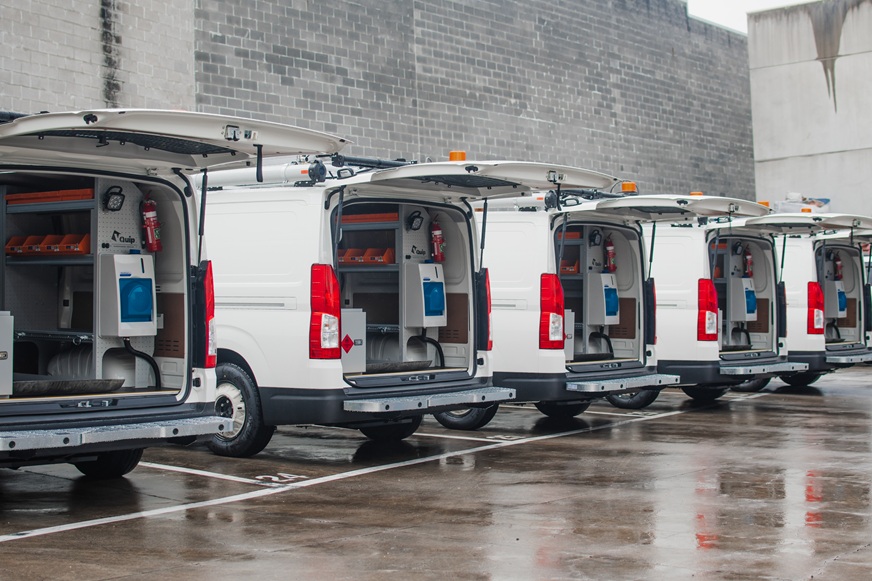
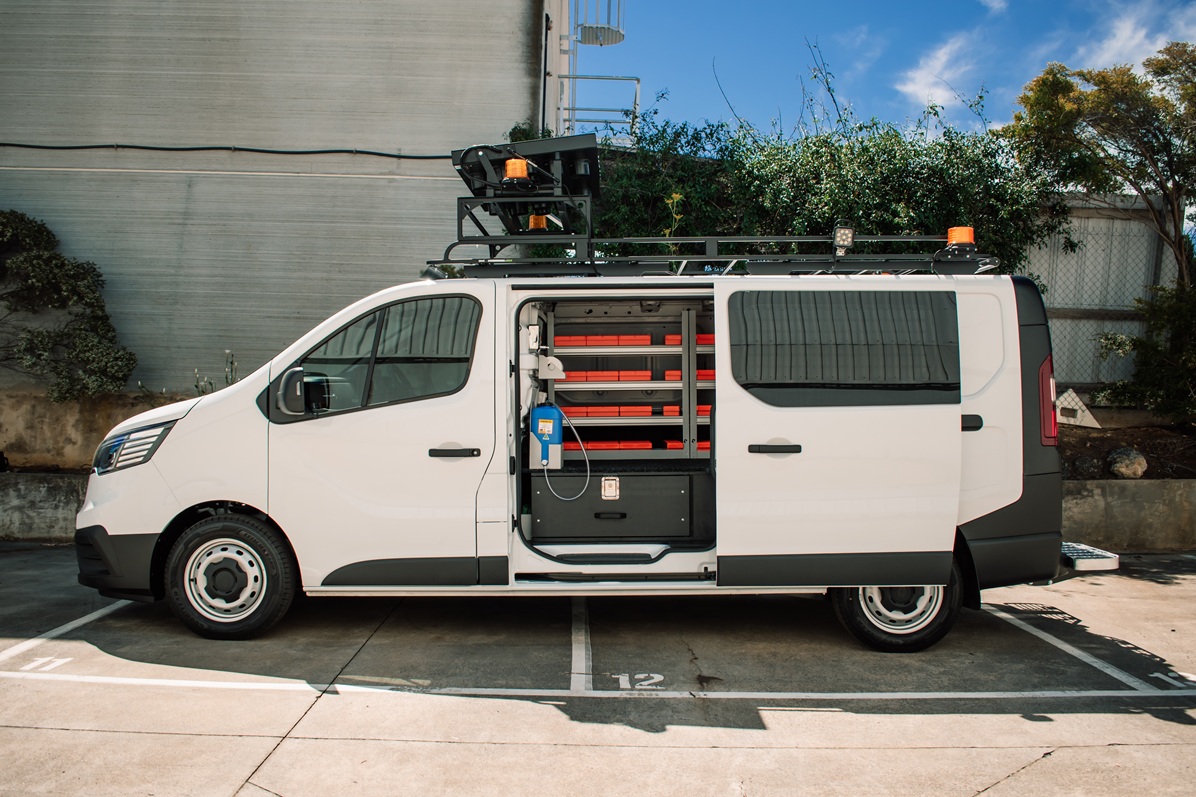
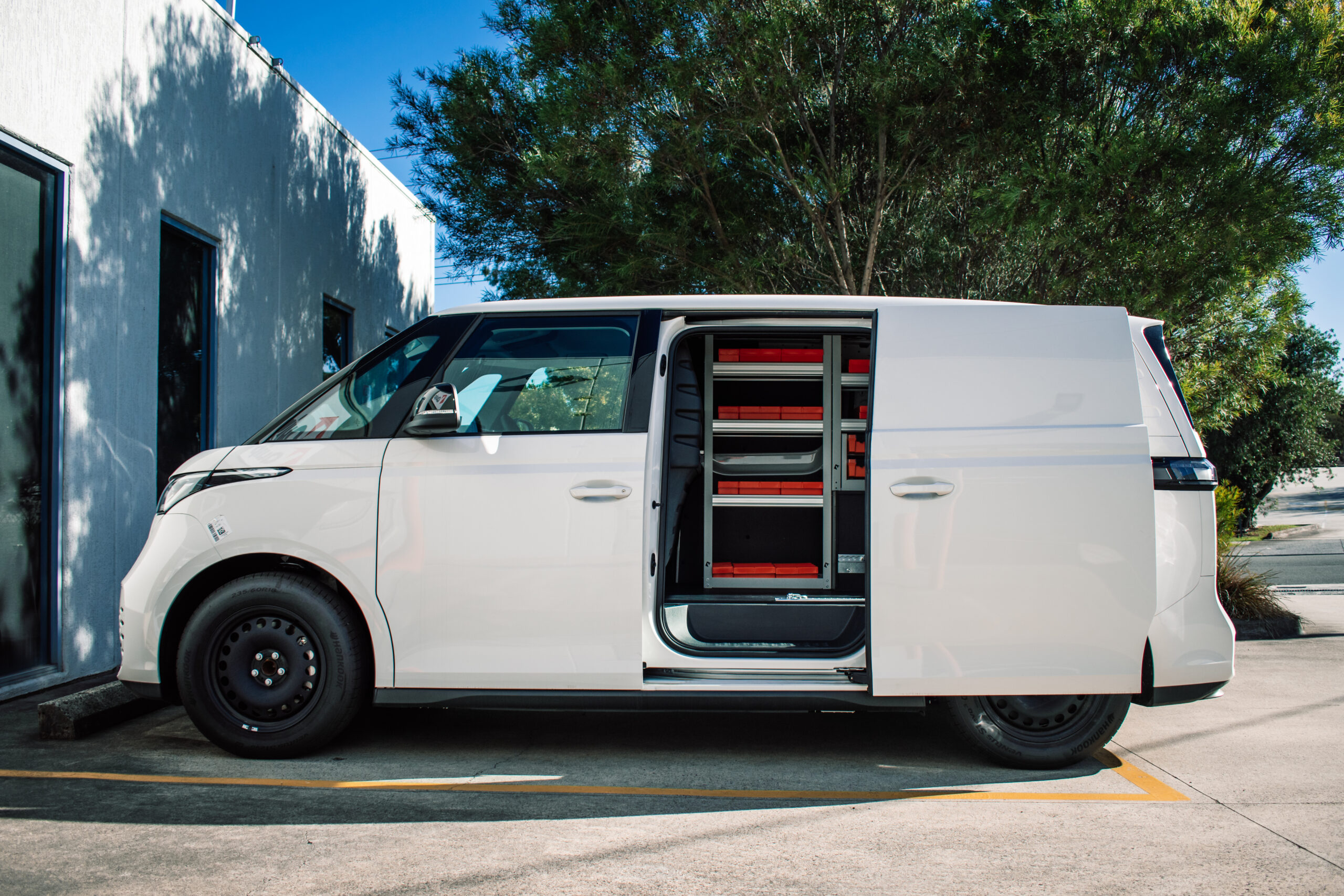
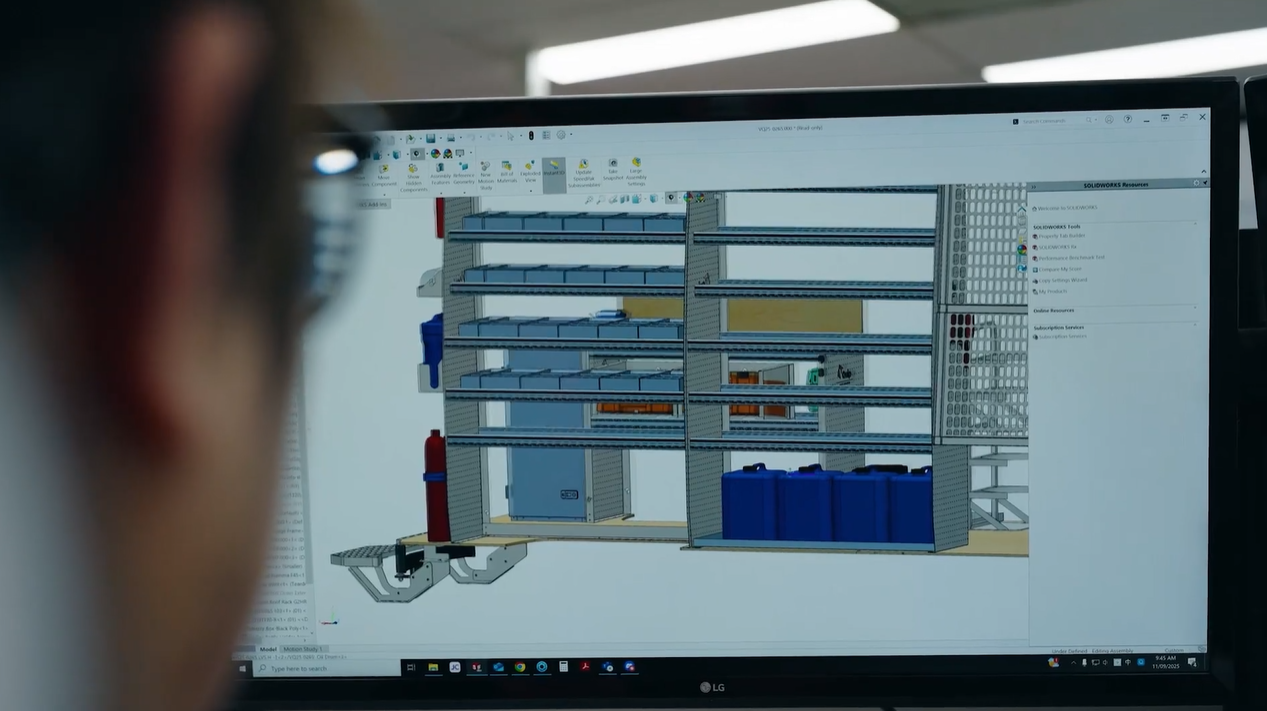
Rather than starting from a blank sheet of paper for every vehicle, fleets can utilise layouts that have already been developed, tested and refined through real-world operation.
This significantly reduces the time required to move from enquiry to installation.
Because the design work has already been completed, fleet operators can benefit from:
- Faster quoting and specification development
- Reduced engineering requirements
- Simplified procurement processes
- More predictable production scheduling
- Consistent outcomes across multiple vehicles
The result is a faster, more streamlined deployment process without compromising functionality.
Faster Decision Making
One of the often-overlooked benefits of standardisation is the impact it has on internal decision making.
Fleet managers are frequently required to balance input from procurement teams, operational managers, technicians and finance departments.
When every vehicle requires a unique design process, approvals can become lengthy and complex.
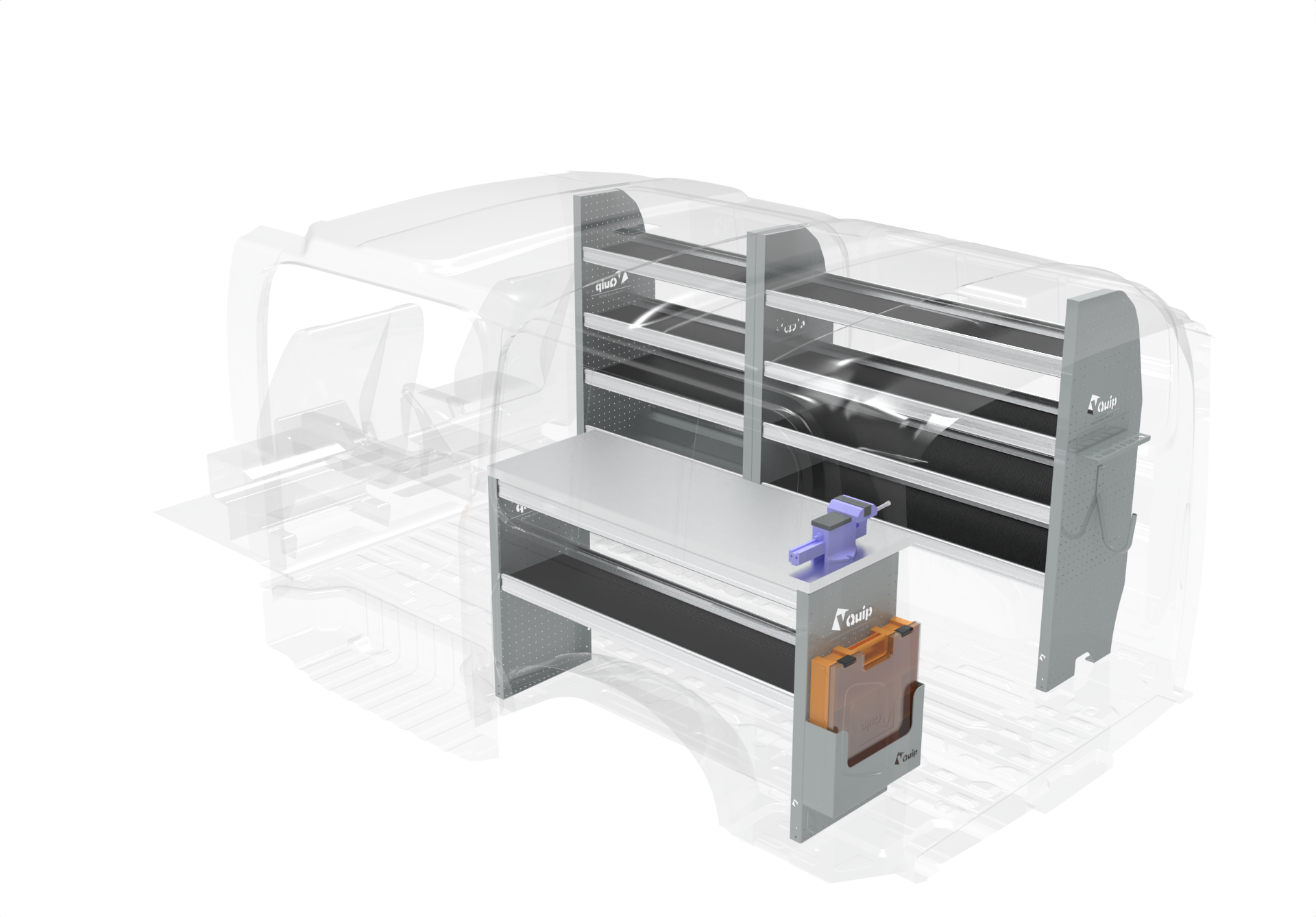
Standardised fitouts provide a clear starting point that stakeholders can easily visualise and evaluate.
Rather than debating every shelf position or storage compartment, teams can focus on selecting the package that best suits their operational requirements.
This helps organisations move from concept to approval much faster.
Improved Production Efficiency
Standardisation doesn’t just benefit fleet operators. It also improves efficiency throughout the manufacturing and installation process.
When fitout providers repeatedly build proven configurations, they gain valuable production efficiencies through:
- Established manufacturing processes
- Familiar installation procedures
- Reduced design variation
- Streamlined quality assurance processes
- Better inventory planning
This creates greater predictability and allows production teams to deliver vehicles more efficiently and consistently.
Consistency Across the Fleet
For organisations operating multiple vehicles, consistency can be just as valuable as speed.
Technicians moving between vehicles benefit from familiar storage locations and layouts, reducing the time spent searching for tools and equipment.
Consistent vehicle specifications also simplify:
- Driver training
- Asset management
- Replacement vehicle procurement
- Spare parts management
- Future fleet expansion
As fleets grow, these operational efficiencies become increasingly valuable.
Standardised Doesn’t Mean Limited
A common misconception is that standardised fitouts offer little flexibility.
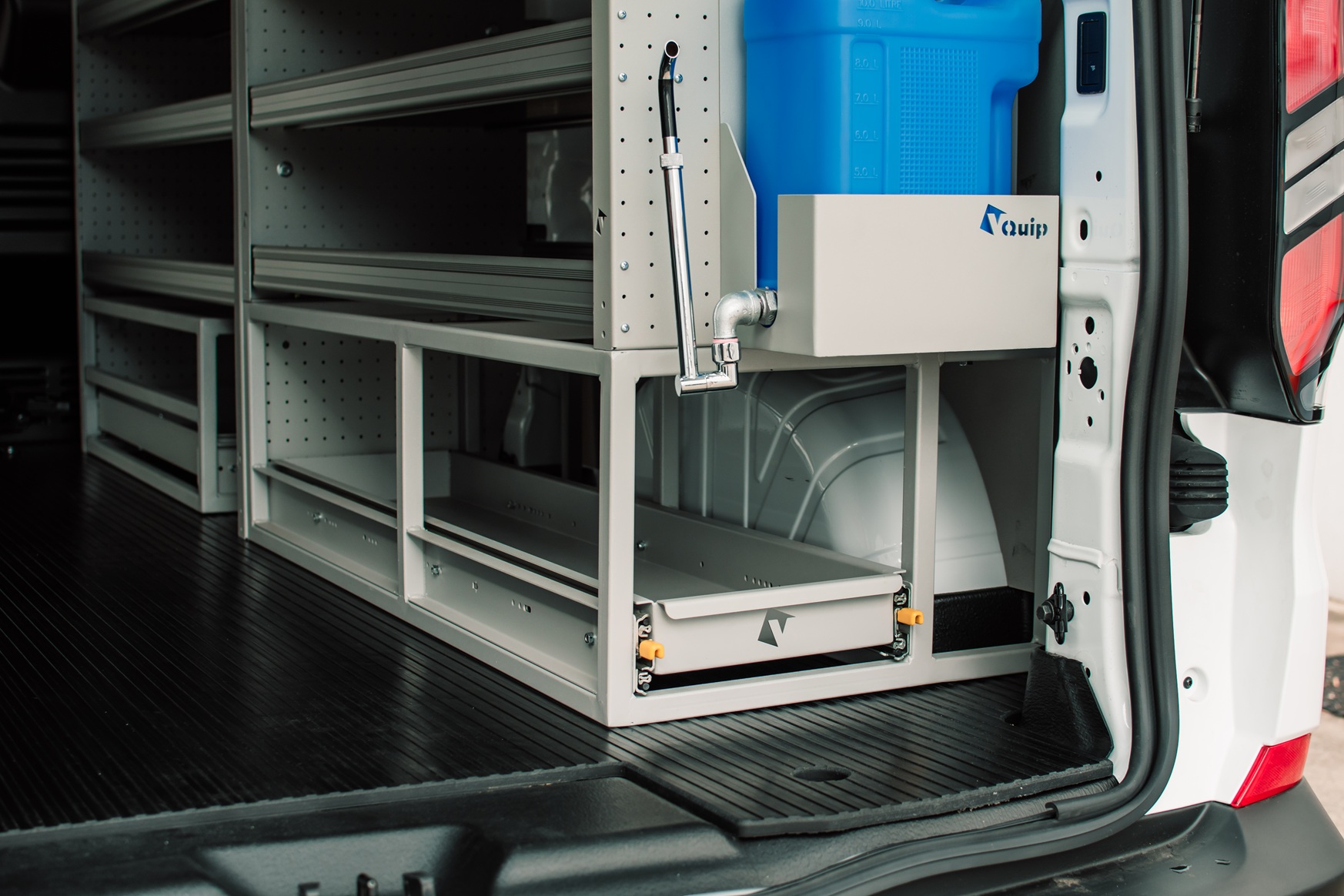
In reality, many standardised vehicle fitout programs are built around proven core layouts while still allowing operators to add optional accessories and equipment to suit their specific requirements.
This approach provides the best of both worlds: the speed and efficiency of standardisation, combined with enough flexibility to accommodate operational needs.
Supporting Faster Fleet Deployment
As organisations continue to focus on productivity, vehicle utilisation and technician efficiency, reducing deployment timelines is becoming a key priority.
While custom fitouts will always have their place, standardised vehicle fitout solutions provide a practical pathway to getting vehicles on the road sooner.
By reducing design complexity, improving production efficiency and simplifying decision making, standardisation helps fleet operators move more quickly from enquiry to installation—allowing technicians to spend less time waiting for vehicles and more time delivering value in the field.