Beyond construction: fitting out fleets for long-term data centre maintenance
Oct 18, 2026
When a data centre moves from construction into operation, the work changes. Installation crews give way to teams carrying out inspection rounds, planned servicing, system upgrades and reactive repairs.
For facilities maintenance, fire protection, security and building controls businesses, this creates a different set of demands on their vehicles. Technicians need to carry the equipment for scheduled work while remaining prepared for faults that may only become clear once they arrive.
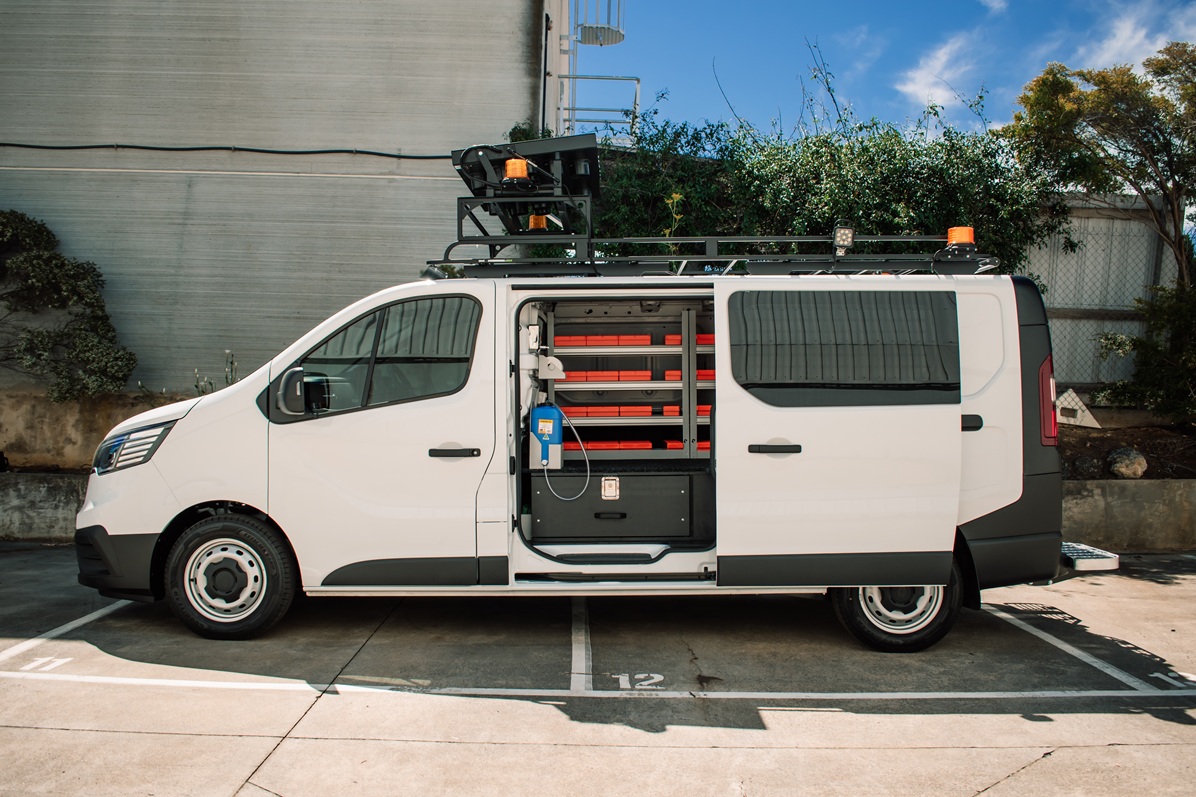
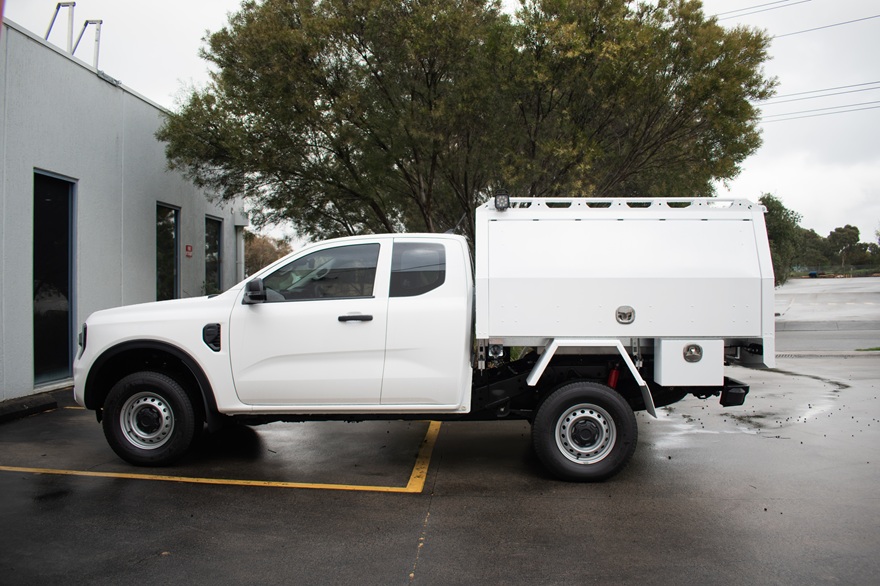
A well-considered vehicle fitout supports that balance. It gives everyday tools and spares a defined place, protects specialist equipment and leaves room for requirements to evolve over the life of a service contract.
Start with the maintenance visit
A useful fitout starts with understanding what happens during a typical visit.
A technician completing inspections may need a compact kit that can be carried from the vehicle to several work areas. A planned service may require replacement components, consumables and larger tools. A reactive callout may begin with diagnostic equipment, followed by a return to the vehicle for parts once the fault has been identified.
These workflows should influence the layout.
Frequently used equipment needs to be accessible without unloading unrelated items. Tools that travel together can be stored together. Less common equipment still needs a secure position that does not obstruct everyday access.
It is also worth understanding how equipment reaches the work area. Where parking is some distance from the task, removable cases or portable kits may be more useful than storing every item individually in fixed drawers.
Match storage to each service role
Contractors working at the same facility can have very different equipment requirements.
Facilities maintenance teams may carry a broad mix of hand tools, consumables and replacement hardware. Their fitouts need to accommodate varied tasks while retaining space for equipment allocated to a particular job.
Fire protection technicians may need dedicated storage for test equipment, inspection tools and system-specific spares, depending on the services they provide. Clear separation between serviceable stock and components removed from site can help avoid confusion.
Security technicians may carry access control components, readers, cameras, connectors and diagnostic equipment. Small parts benefit from divided storage, while sensitive devices need suitable protection and restraint.
Building controls technicians may need to transport laptops, meters, sensors, controllers and specialist interfaces. Dedicated equipment case storage and an appropriate charging arrangement can support their work, where required.
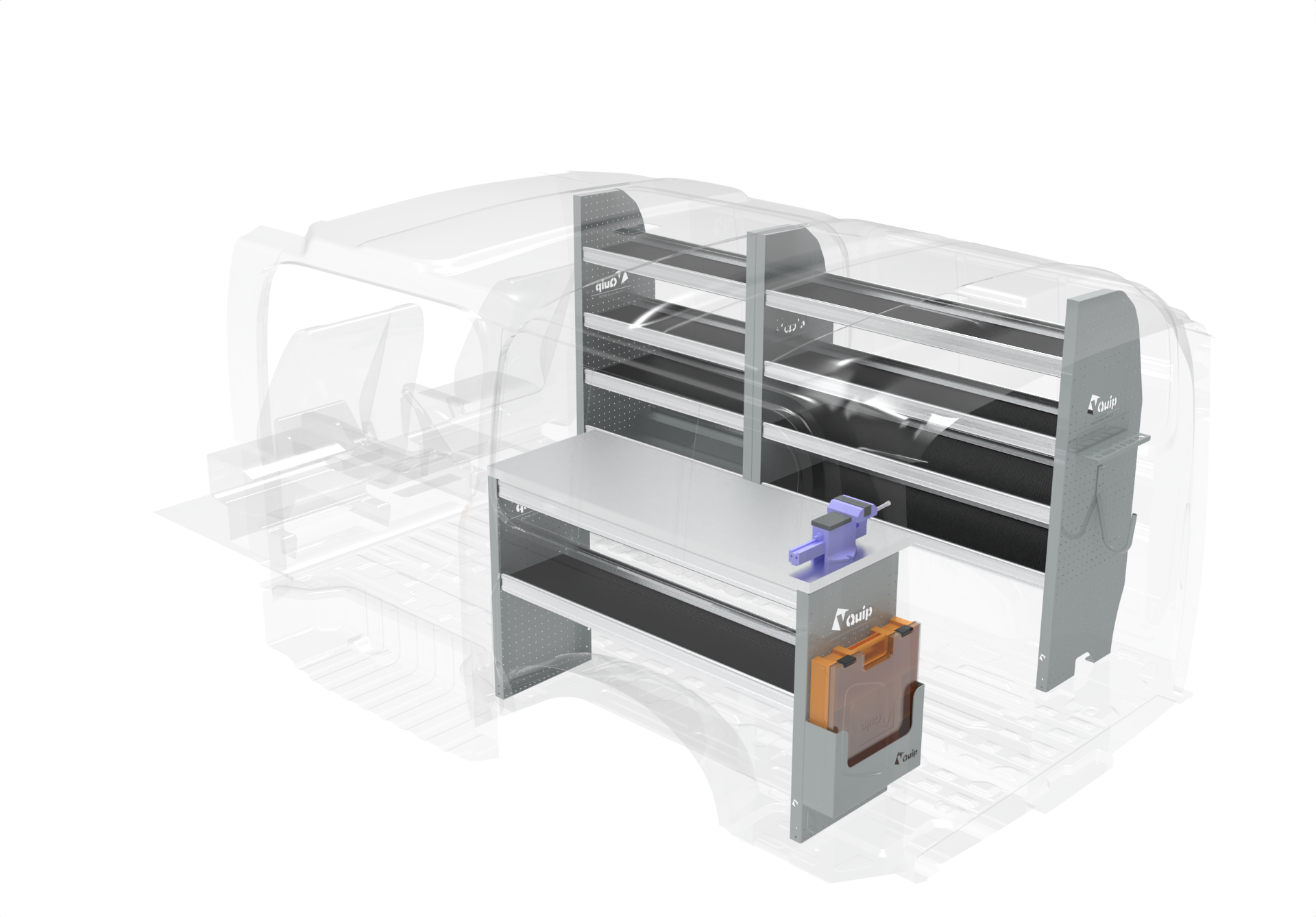
The equipment inventory should drive these decisions. Drawer dimensions, shelf spacing and access points need to suit what technicians actually carry.
Make planned servicing easier to prepare for
Scheduled work provides an opportunity to prepare the vehicle before the visit.
A defined storage layout can support service kits containing the parts and consumables needed for a particular task. Removable bins or cases can be loaded for the day’s work, while frequently used stock remains in its usual position.
This approach also helps make replenishment more deliberate. Labelled compartments and agreed stock quantities give technicians and supervisors a clearer view of what needs replacing.
The return process matters just as much. Used components, items awaiting assessment and equipment requiring repair need somewhere to go. Giving these items a separate location helps keep them from becoming mixed with stock ready for use.
Good organisation supports the routine from preparation through to restocking.
Prepare for reactive work without carrying everything
Reactive maintenance creates a practical tension: technicians need useful spares on hand, but vehicle space and payload are limited.
Carrying every possible replacement part is rarely a workable answer. A better starting point is to review common faults, the systems covered by the contract and which items are available through site stores or other supply arrangements.
That information can help define a core vehicle inventory, with space reserved for job-specific additions.
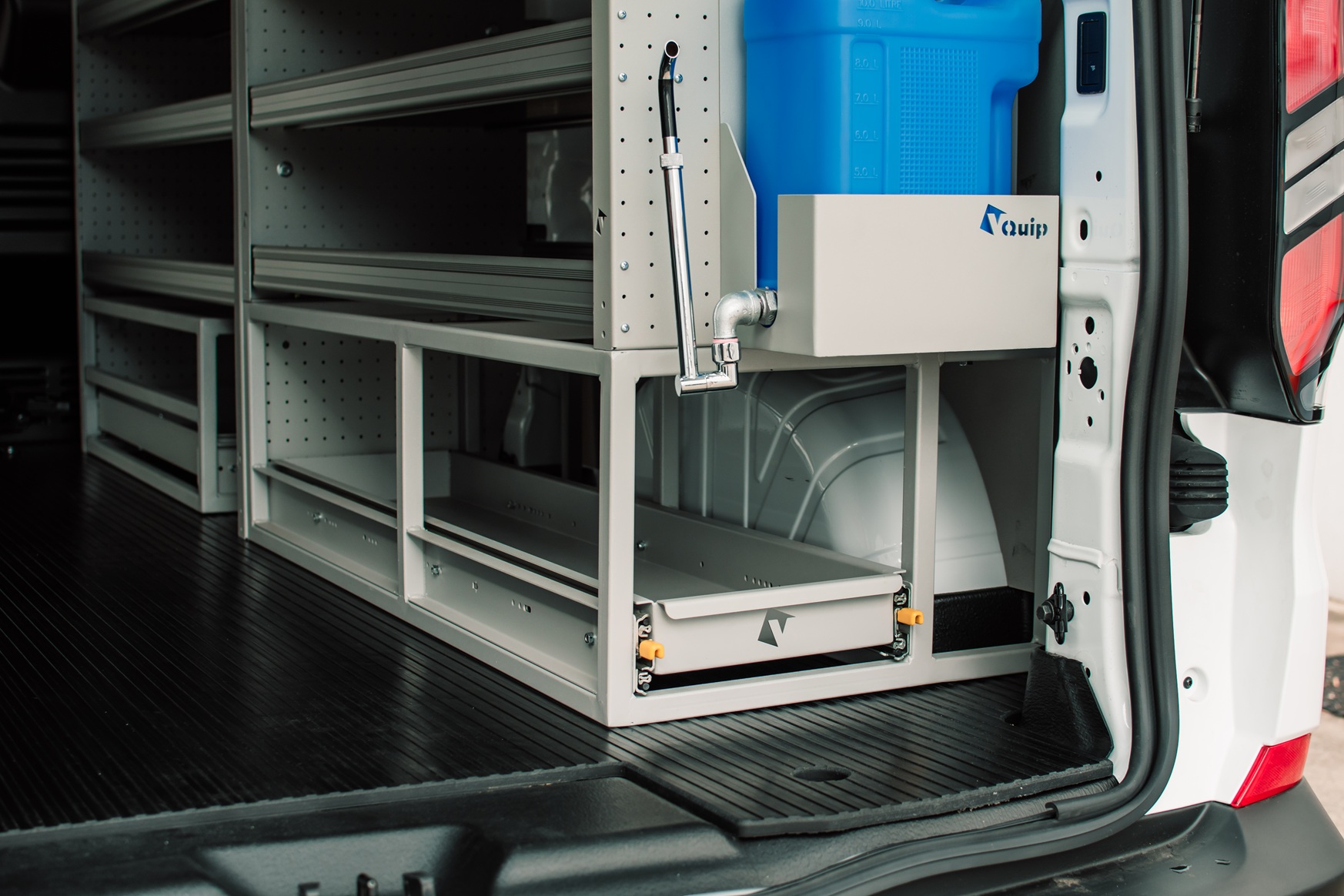
Fitout features can then support access and visibility. Drawers can organise small components, dedicated compartments can protect diagnostic equipment, and suitable interior lighting can make equipment easier to locate during early or late visits.
The vehicle supports preparedness alongside parts availability, technical support and site access arrangements.
Protect the equipment used to diagnose the problem
Meters, laptops, test instruments and specialist interfaces can be central to a maintenance visit. Their storage deserves attention early in the design.
Dedicated compartments, suitable restraints and storage for protective cases can help keep these items secure in transit. Separating them from loose fittings, heavy tools and dirty equipment can also reduce avoidable handling and exposure.
Where charging is required, the power arrangement should be designed around the actual devices and expected usage. The specification needs to account for how many devices are charged, for how long and under what operating conditions.
These details are easier to resolve before the fitout is built than after technicians begin working from it.
Allow the fleet to evolve with the contract
Maintenance requirements can change as equipment is replaced, service scopes expand or contractors take responsibility for additional sites.
Fitout planning should allow for likely changes. Adjustable shelving, removable bins and accessible storage positions can provide flexibility within the vehicle’s available space and load limits.
Payload needs the same attention. Adding spares, tools or auxiliary equipment over time changes the vehicle’s loaded weight. Reviewing the inventory helps prevent unused stock from accumulating and consuming capacity.
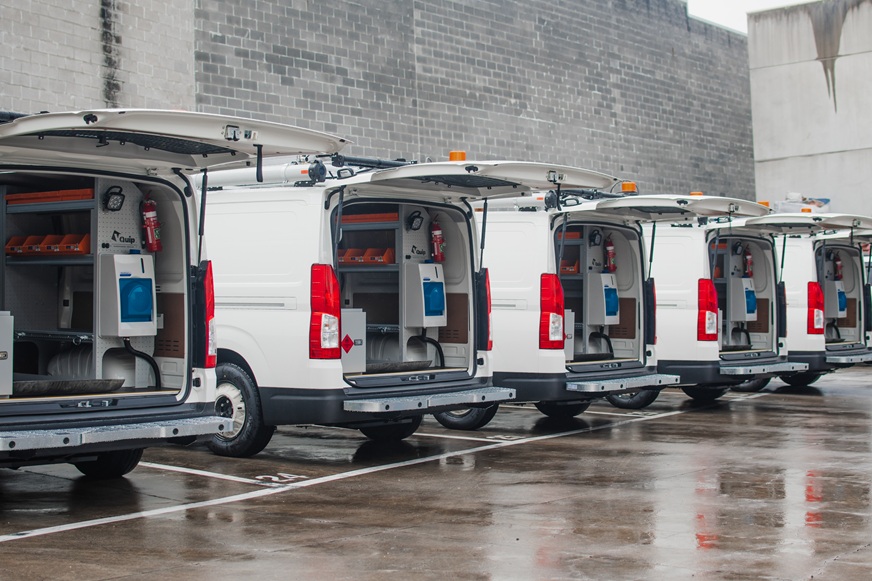
Across a larger fleet, a common storage approach can provide consistency, with defined variations for each service role. Technician feedback and a prototype review can help confirm that the layout works before it is repeated.
Supporting the fleet over the long term
For maintenance contractors, the value of a fitout is felt across repeated visits: preparing for the day, finding equipment, carrying it to the task and returning the vehicle to a ready state afterwards.
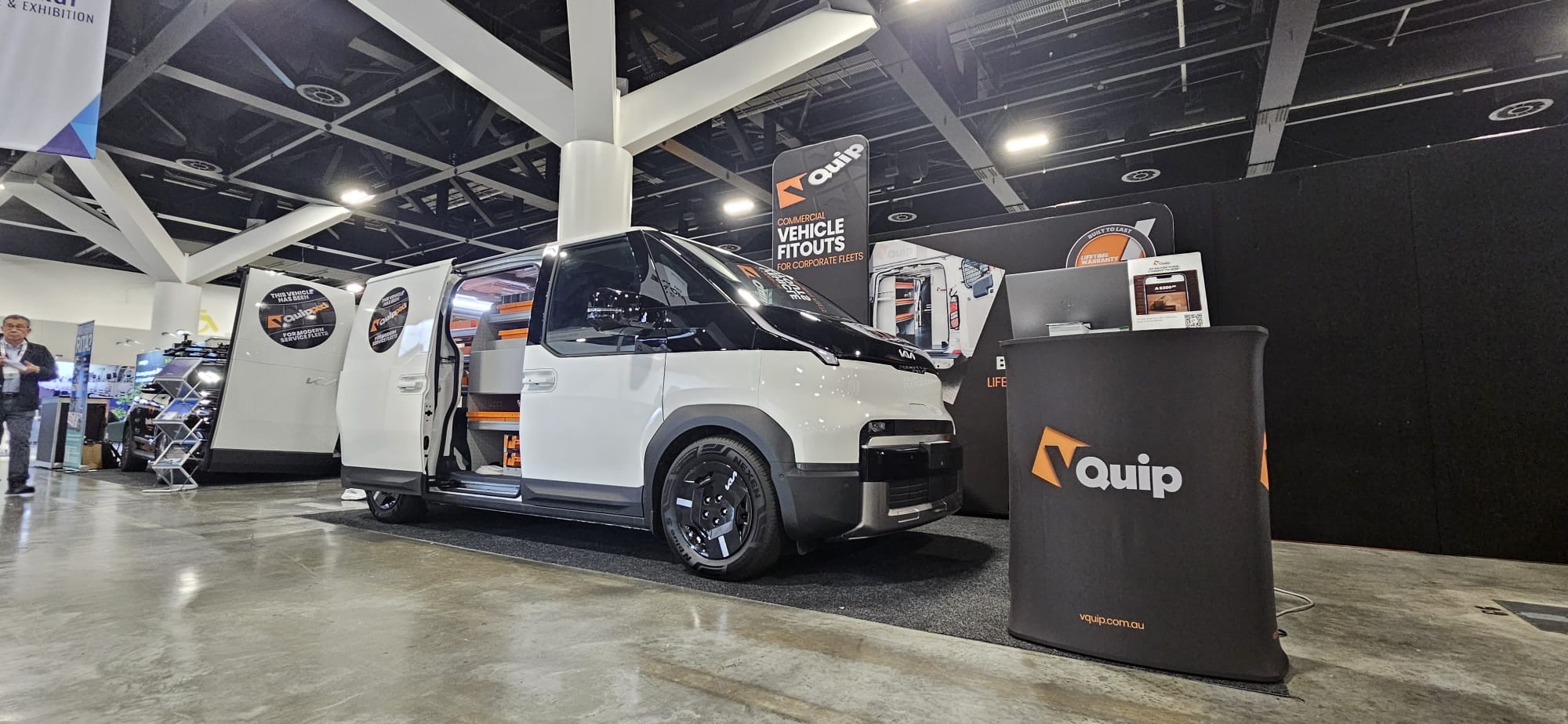
VQuip works with facilities maintenance, fire protection, security and technical service businesses to develop fitouts around these practical requirements. From initial design and prototyping through to national rollout coordination, the focus is on matching the vehicle to the work.
VHub also gives fleet teams visibility of build progress and access to QA documentation and photographs as their vehicles are completed.
If your business supports data centre maintenance, speak with VQuip about a fleet fitout designed around your service roles, equipment and changing operational needs.