What Happens During a Fleet Discovery Workshop?
Jul 7, 2026
When planning a fleet fitout program, many organisations naturally focus on the end result: a fleet of well-equipped, productive vehicles ready for technicians to use.
However, the success of any fleet rollout is usually determined much earlier.
The fleet discovery workshop is one of the most important stages of the entire project. It lays the foundation for a fitout that not only meets today’s operational requirements but continues to deliver value throughout the life of the fleet.
Why a Discovery Workshop Matters
No two organisations operate in exactly the same way.
Even businesses within the same industry can have different workflows, equipment, safety requirements and service priorities. A fitout that works perfectly for one fleet may create inefficiencies for another.
Rather than making assumptions, a discovery workshop provides the opportunity to fully understand how your team operates before any design work begins.
By investing time upfront, organisations reduce the risk of costly changes later in the project, minimise delays during production and ensure the finished vehicles genuinely support the technicians using them every day.
Understanding How Your Team Works
A discovery workshop goes well beyond creating a list of tools and accessories.
The goal is to understand how technicians use their vehicles throughout a typical working day.
Questions often include:
- What tools and equipment are used most frequently?
- Which items need to be accessed quickly?
- Are there bulky or specialised items requiring dedicated storage?
- Is auxiliary electrical power required?
- How are consumables stored and replenished?
- Do technicians primarily work from the rear doors, side door, or both?
- Are there any manual handling or safety risks to consider?
- Are there opportunities to improve efficiency compared to the current vehicles?
By understanding these daily workflows, the fitout can be designed around the technician rather than simply filling the available cargo space.
Looking Beyond the Vehicle
A successful fleet fitout also needs to support broader business objectives.
During the discovery workshop, discussions often include:
- Technician productivity
- Workplace safety
- Fleet standardisation
- Vehicle lifecycle expectations
- Future scalability
- Corporate branding
- Compliance requirements
- Ease of maintenance
- Rollout logistics
Considering these factors early helps ensure the final design supports both day-to-day operations and the organisation’s long-term fleet strategy.
Learning from Existing Vehicles
One of the most valuable parts of the discovery process is reviewing existing fleet vehicles.
Understanding what technicians like, what frustrates them and what they would improve often reveals opportunities that may otherwise be overlooked.
Common feedback includes:
- Storage that is difficult to access
- Insufficient lighting
- Poor weight distribution
- Wasted cargo space
- Equipment moving during transport
- Limited room for future tools and technology
Building on these lessons helps ensure the next generation of vehicles performs even better than the last.
Turning Ideas into a Concept Design
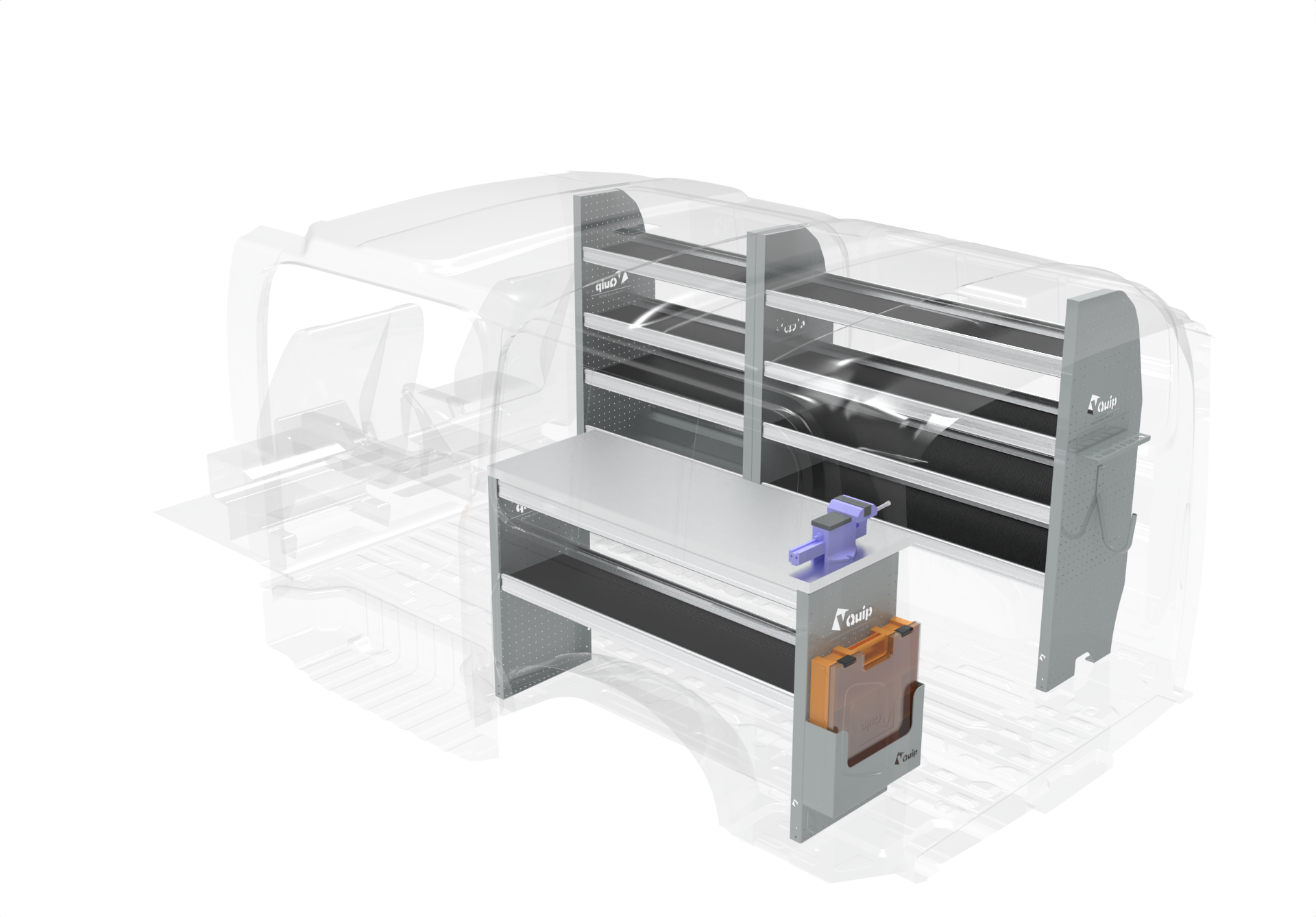
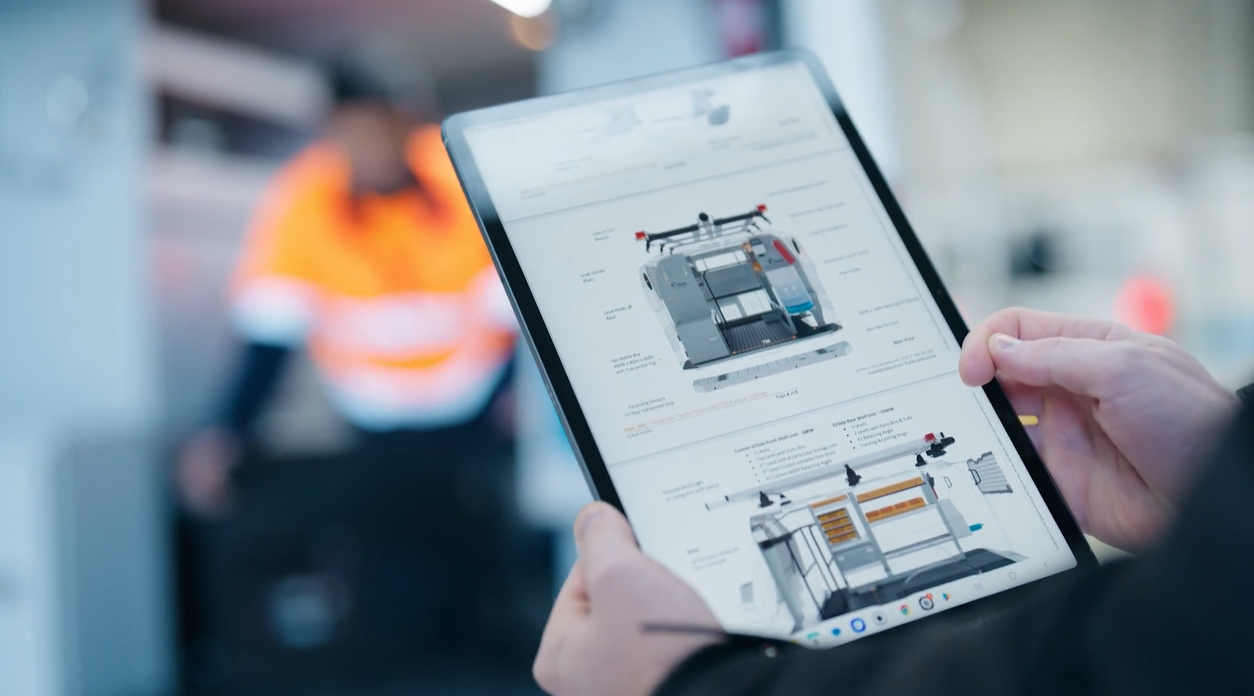
Once the operational requirements have been captured, the next step is to develop a concept design.
Using the information gathered during the discovery workshop, the design team prepares a detailed vehicle layout showing how the fitout will be configured. This enables stakeholders to visualise the proposed solution before any manufacturing begins, ensuring storage locations, shelving layouts, electrical components and workflow have all been carefully considered.
The concept design also provides an opportunity for collaboration. Fleet managers, project stakeholders and end users can review the proposed layout, provide feedback and request refinements before the project progresses further.
Making adjustments at this stage is both efficient and cost-effective, helping to ensure the final solution meets operational requirements while delivering the best possible user experience.
Bringing the Design to Life
For larger fleet programs, the approved concept design is then transformed into a prototype vehicle.
The prototype allows stakeholders and technicians to physically inspect and trial the fitout before full production begins. This provides confidence that the design works as intended in real-world conditions and gives end users the opportunity to validate storage locations, ergonomics and workflow.
Any final refinements can be incorporated before the remaining vehicles enter production, significantly reducing the risk of costly changes during the rollout.
Building Confidence Before Production
One of the greatest benefits of a structured discovery process is confidence.
Fleet managers know every design decision has been carefully considered.
Technicians know their feedback has been incorporated into the design.
Procurement teams have confidence that the solution has been validated before committing to a larger rollout.
The result is fewer surprises during production, smoother deployments and a fleet that is ready to perform from day one.
The Value of Getting It Right Early
A successful fleet rollout doesn’t begin when the first vehicle enters production.
It begins by asking the right questions.
A well-run fleet discovery workshop provides the knowledge needed to design vehicles that improve productivity, enhance safety and support long-term fleet performance.
At VQuip, every fleet project follows our proven Discovery, Concept Design, Prototype and Rollout process. By taking the time to understand how your technicians work before design begins, we develop practical, repeatable fitout solutions that are tailored to your operational requirements and can be confidently deployed across fleets of any size.