Why the First Vehicle in a Fleet Rollout Should Be Treated Differently
Aug 3, 2026
When a fleet is preparing to deploy the same fitout across dozens of vehicles, consistency is important. However, applying that consistency too early can create problems.
The first vehicle should not be treated as simply the first unit off the production line. It should be treated as a validation build: an opportunity to confirm that the agreed design works in the actual vehicle, supports the technician’s role and can be repeated reliably across the rest of the fleet.
Getting the first vehicle right can reduce the risk of repeating the same issue throughout an entire rollout.
A concept is not the finished vehicle
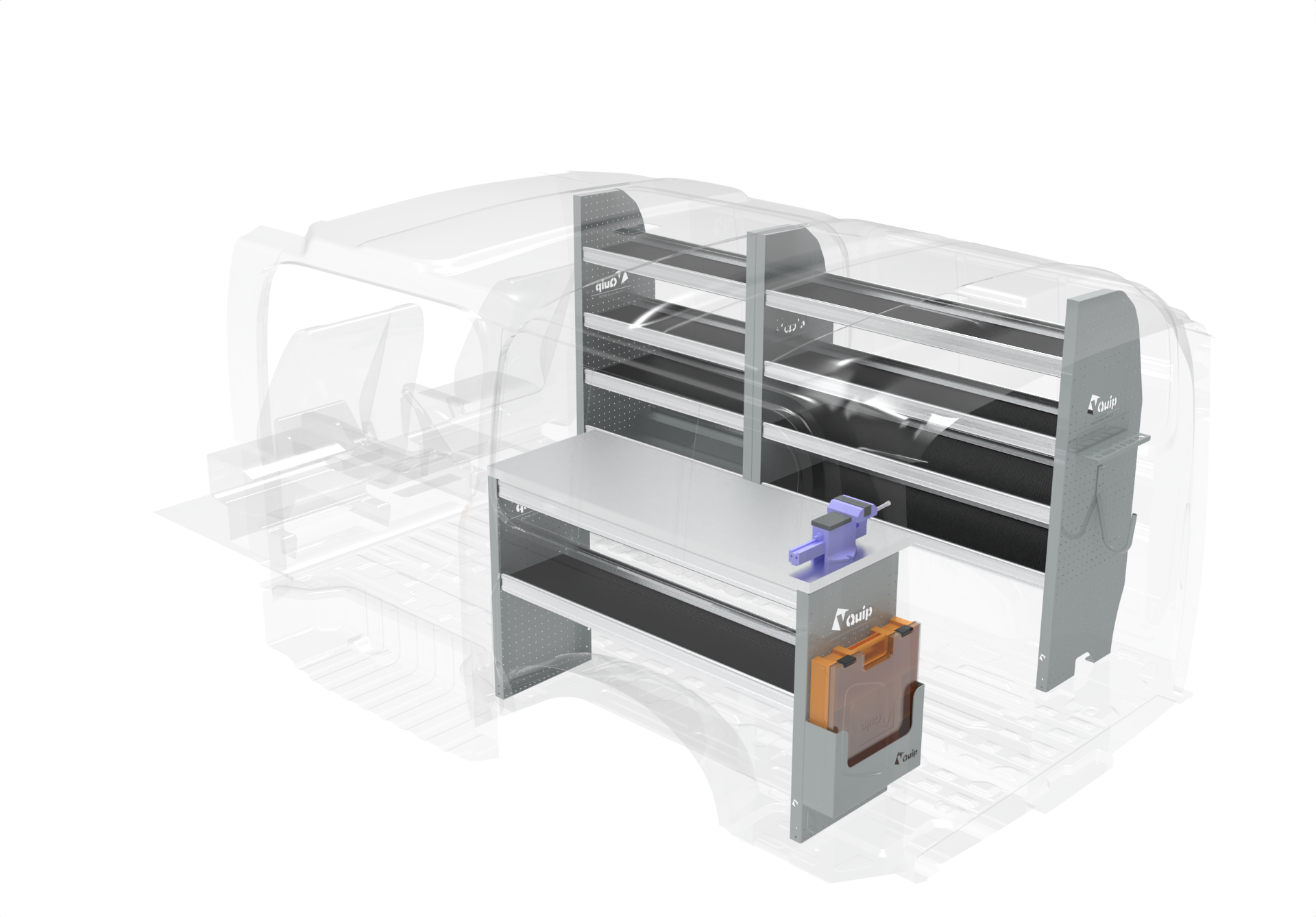
Concept renders and CAD models provide a valuable way to develop and communicate a proposed fitout. They allow stakeholders to review storage locations, equipment placement and the overall layout before production begins.
However, the completed vehicle provides a different level of insight.
Once the fitout is installed, the project team can physically assess:
- Access through the doors
- Reach to frequently used equipment
- Clearance around drawers and moving components
- Technician movement within the cargo area
- Visibility of stored items
- Loading and unloading workflows
- The position of accessories, controls and lighting
- The interaction between the fitout and the vehicle’s factory features
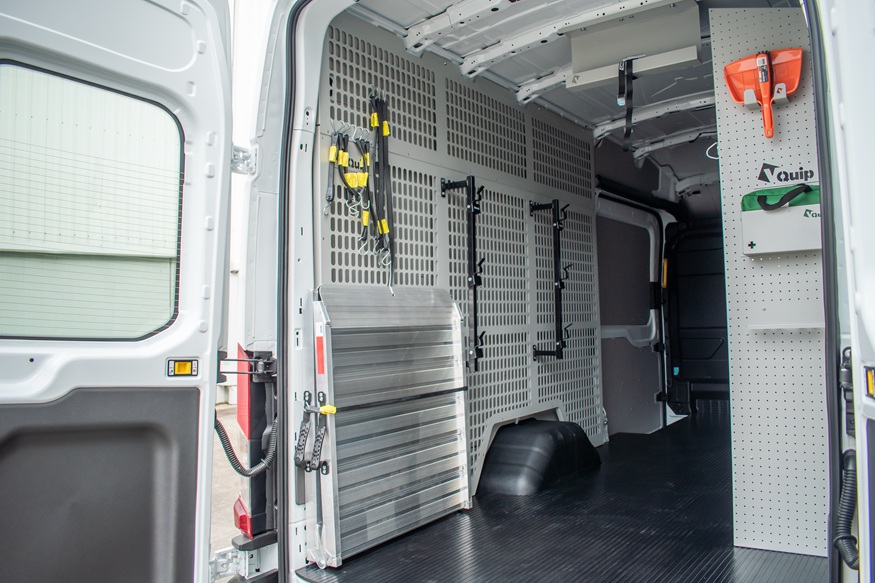
A layout can appear practical on screen but feel different when a technician is standing beside it, reaching for equipment or completing a typical task.
That is why the first vehicle should be reviewed as a complete working environment, not simply checked against a list of specified components.
It provides an opportunity for technical validation
The first build also allows the fitout provider to confirm that the design can be installed as intended.
Even when detailed vehicle data is available, physical vehicles can present considerations that only become fully apparent during installation. These may include factory trim, wiring routes, mounting restrictions, floor profiles, door mechanisms and variations between vehicle specifications.
The validation build gives the design and production teams an opportunity to confirm:
- Mounting locations and installation methods
- Component clearances
- Electrical routing and equipment positioning
- Assembly sequence
- Installation time
- Final fit and finish
- Payload assumptions and weight distribution
- Compatibility with the exact vehicle variant being supplied
Any necessary adjustments can then be incorporated into the drawings, Bill of Materials and fitting instructions before the rollout increases in volume.
Technician feedback becomes more useful
Technician consultation is valuable during the design stage, but feedback is often more specific once users can inspect a completed vehicle.
Rather than asking whether a proposed layout looks suitable, the project team can ask technicians to perform realistic activities. For example:
- Retrieve commonly used tools and parts
- Load larger equipment
- Access stock from different doors
- Use a workbench or vice
- Connect electrical equipment
- Complete a typical restocking process
- Identify items that may move or become difficult to reach during travel
This helps separate personal preferences from genuine operational issues.
Not every suggestion should automatically result in a design change. Each request still needs to be assessed against safety, payload, cost, manufacturability and the needs of the wider fleet. However, the first vehicle creates a practical basis for making those decisions.
Small problems become expensive when repeated
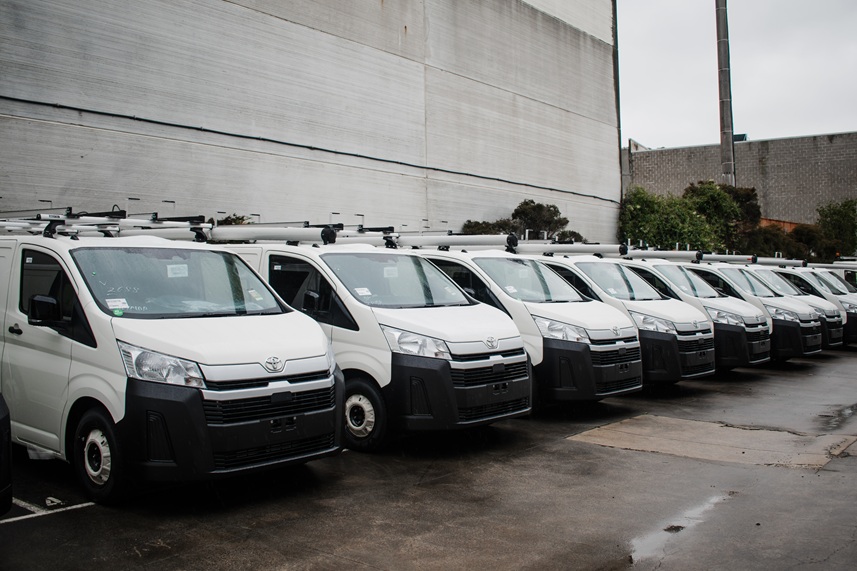
A minor issue in one vehicle may be relatively straightforward to resolve. The same issue repeated across 30, 50 or 100 vehicles becomes significantly more disruptive.
It may lead to:
- Components needing to be replaced or modified
- Vehicles returning for rectification
- Additional installation labour
- Inconsistent fitouts across the fleet
- Delays to vehicle deployment
- Increased project administration
- Frustration for technicians and operational teams
The purpose of a validation build is not to achieve perfection through endless changes. It is to identify material issues while they are still contained to one vehicle.
A structured review and approval process helps prevent the rollout from progressing before the fleet standard is genuinely ready to be repeated.
The first vehicle establishes the production standard
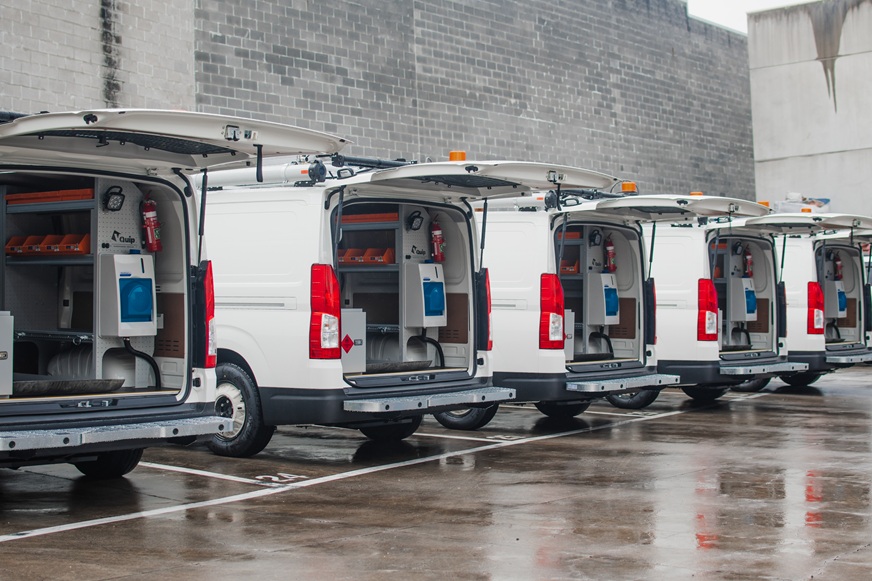
Once the first vehicle has been reviewed and approved, it becomes the physical benchmark for the rollout.
The final design should then be reflected in the supporting production documentation, including:
- Approved drawings
- Final Bill of Materials
- Component and stock codes
- Installation instructions
- Electrical documentation, where applicable
- Approved loading positions
- Quality assurance requirements
- Reference photographs
- Records of accepted changes
This documentation becomes especially important when vehicles are being fitted at different times or across multiple locations.
Consistency does not come from asking every installer to copy a photograph. It comes from giving each installation team a controlled, repeatable specification supported by clear documentation and quality checks.
Approval should involve the right stakeholders
The first vehicle review should include the people responsible for different parts of the program.
Depending on the fleet, this may include:
- Fleet management
- Operations
- Health and safety
- Procurement
- Technical or engineering representatives
- Technician representatives
- The fitout provider
Each stakeholder will view the vehicle from a different perspective. A technician may focus on access and workflow, while fleet management may be considering payload, consistency, lifecycle support and replacement planning.
Bringing these perspectives together during the first-vehicle review can help prevent late changes after production has already accelerated.
The goal is controlled learning
Treating the first vehicle differently does not mean allowing the project to become an open-ended redesign exercise.
The validation process should have defined objectives, an agreed review period and a clear approval point. Requested changes should be documented, assessed and either accepted or declined before the design is released as the fleet standard.
Once approval is given, further changes should follow a controlled process so that the rollout does not gradually develop multiple unofficial versions.
Validate once, then repeat with confidence
A successful fleet rollout depends on more than producing the same components multiple times. It depends on confirming that the complete solution works before it is repeated.
By using the first vehicle to validate the design, installation process, technician workflow and production documentation, fleets can reduce avoidable changes and establish a stronger standard for every vehicle that follows.
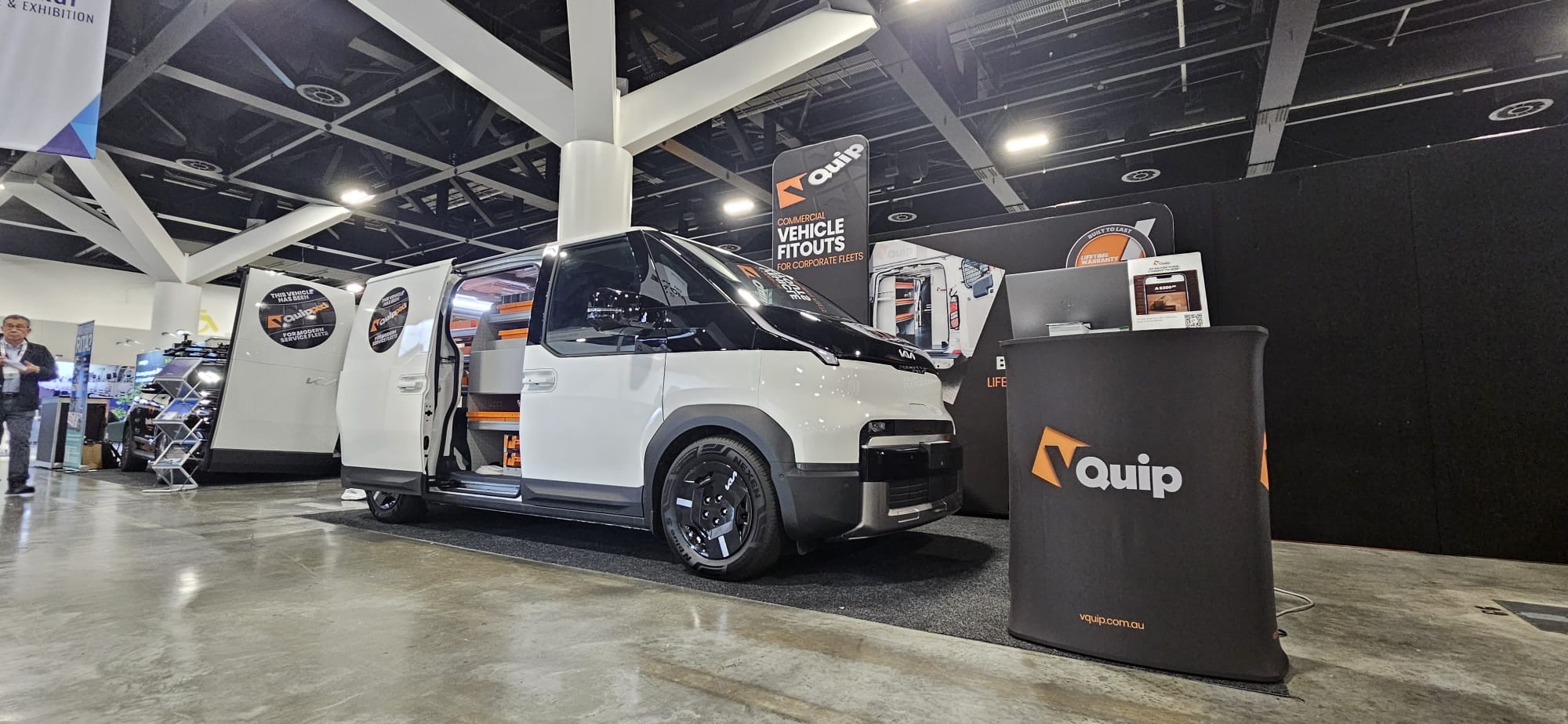
VQuip works with fleet customers through concept development, technical validation, prototype fitout and rollout documentation to help create practical vehicle solutions that can be delivered consistently at scale.