How do I standardise fleet vehicle fitouts?
Aug 7, 2026
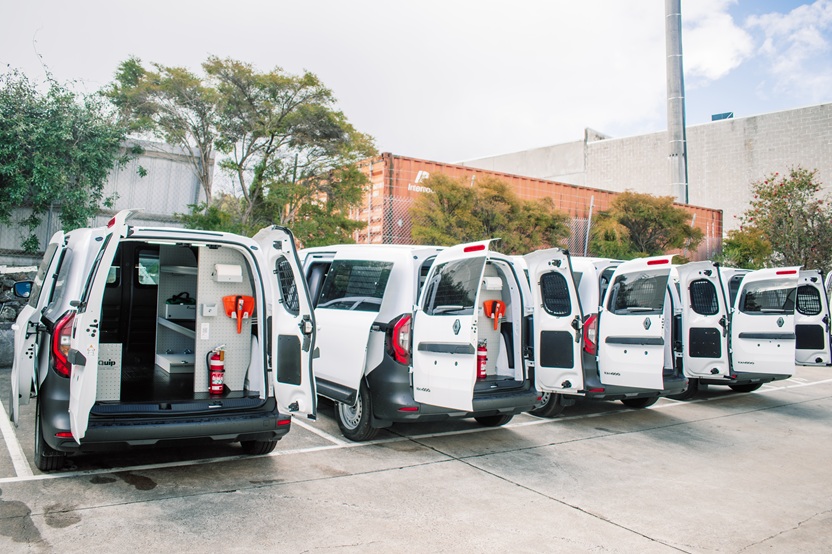
Standardising fleet vehicle fitouts can improve consistency, simplify procurement and make future rollouts easier to manage. However, successful standardisation does not mean installing exactly the same shelving and equipment into every vehicle.
Different technicians may carry different tools, perform different tasks or operate from different vehicle models. The objective is to create a controlled fleet standard that covers the majority of requirements while allowing defined variations where they are operationally necessary.
Here is a practical process for developing that standard.
1. Understand how each vehicle is used
Before selecting shelves, drawers or accessories, document what the vehicle and its driver are expected to do.
This should include:
- The technician’s role
- The tools, parts and consumables carried
- Frequently accessed equipment
- Bulky or unusually shaped items
- Work completed inside or around the vehicle
- Loading and unloading requirements
- Security and restraint requirements
- Electrical equipment that needs to be powered
- Expected vehicle replacement cycle
Input from technicians is particularly valuable at this stage. Fleet and procurement teams may understand the commercial requirements, but drivers often identify practical issues that are not obvious from an equipment list.
The goal is not to ask technicians to design the fitout. It is to understand their workflow well enough to develop a repeatable solution.
2. Group vehicles by operational role
Trying to create one universal fitout for an entire organisation can result in a layout that does not properly suit anyone.
Instead, divide the fleet into logical user groups. These might include:
- General service technicians
- Installation teams
- Emergency response vehicles
- Supervisors
- Electrical technicians
- Mechanical technicians
- Specialist maintenance teams
Each group can then have its own standard configuration.
For example, a general service vehicle might require shelving, carry case storage and parts bins. An installation vehicle may need more open space for bulky equipment, while an emergency response vehicle may prioritise immediate access to critical tools.
This creates a small family of controlled fitout standards rather than a different design for every driver.
3. Establish a common base specification
Once the fleet has been grouped by role, identify the components that should remain consistent across most or all vehicles.
A base specification could cover:
- Flooring
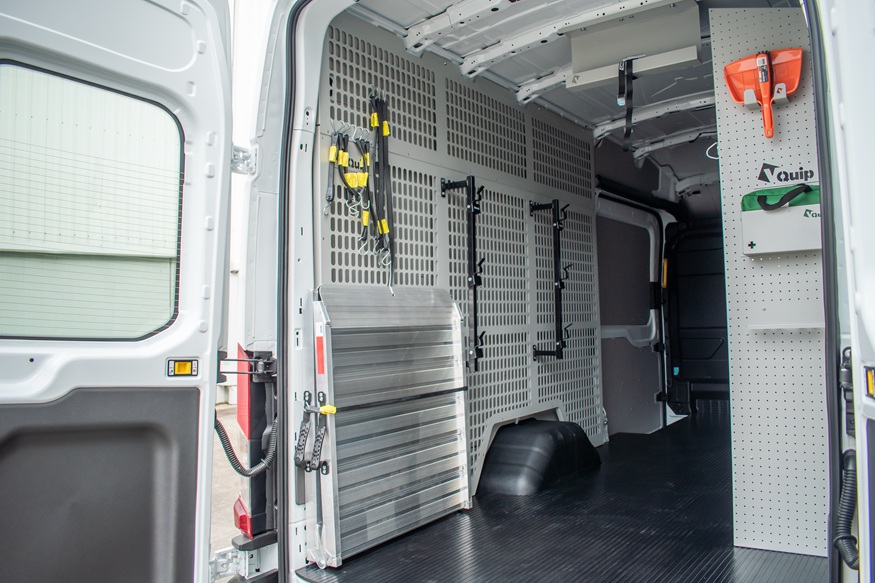
- Cargo barriers
- Internal lining
- Shelving construction
- Drawer systems
- Window security
- Interior lighting
- Safety equipment
- Labelling
- Equipment restraint
- Electrical systems
- Standard accessory locations
Consistency in these areas can simplify quoting, ordering, installation, maintenance and future vehicle replacements.
It also creates a more familiar working environment. When technicians move between vehicles, they are more likely to know where equipment is stored and how the vehicle is arranged.
4. Create approved role-specific modules
Not every variation needs a completely new fitout.
A modular approach allows the base specification to be supplemented with approved options for particular roles. These modules might include:
- A lockable tool storage area
- Carry case holders
- A slide-out workbench
- A vice mount
- Gas bottle storage
- Cable or conduit storage
- A handwashing system
- An auxiliary battery and inverter
- A mesh restraint panel
- Specialist equipment brackets
Each module should have a defined purpose, location and compatible vehicle range.
This gives the fleet enough flexibility to support different roles without allowing uncontrolled one-off modifications to become the norm.
5. Standardise the workflow, not only the components
Fleet standardisation should also cover where and how equipment is stored.
Frequently used tools should be accessible without unnecessary reaching, climbing or unloading. Heavy items should generally be kept low, while equipment used together should be stored together where practical.
Consider the normal sequence of work:
- What does the technician reach for when arriving on site?
- Which items are used most frequently?
- What needs to be accessed through the side door?
- What is better accessed from the rear?
- Does the technician need a clear work surface?
- Which equipment must remain secure or separated?
Two vehicles can contain identical shelving but still perform very differently if the equipment is arranged without considering the technician’s workflow.
6. Test the standard in a prototype vehicle
A prototype is one of the most important stages in developing a fleet fitout standard.
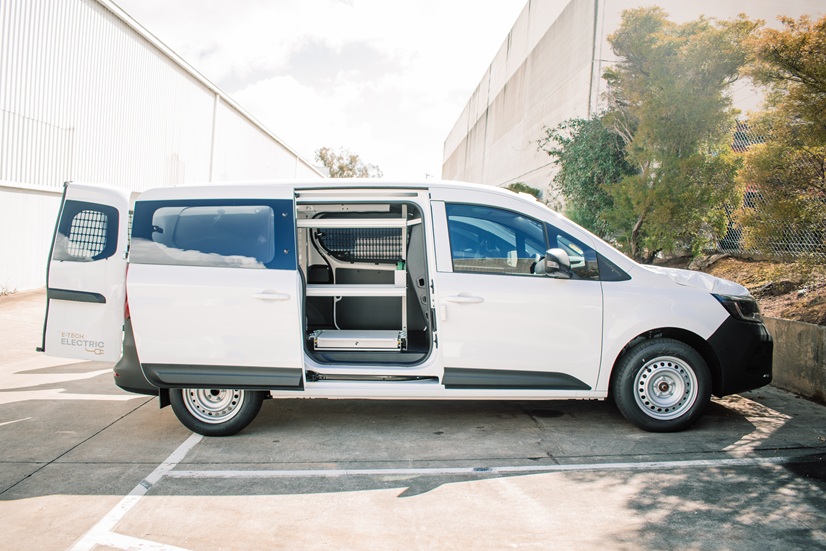
Concept drawings and renders help stakeholders understand the proposed layout, but a physical vehicle allows technicians and fleet managers to test:
- Access and reach
- Drawer and door clearances
- Equipment locations
- Loading and unloading
- Visibility
- Weight distribution
- Available cargo space
- Interaction with the vehicle’s factory features
The prototype should be reviewed by a controlled group of relevant stakeholders. Feedback should be assessed against the broader fleet requirement rather than automatically incorporated.
Without this control, a prototype can gradually turn into a collection of individual preferences instead of a repeatable fleet solution.
7. Document the approved configuration
Once the prototype has been reviewed and approved, the standard should be formally documented.
Depending on the complexity of the fitout, this documentation may include:
- Approved drawings
- A bill of materials
- Component specifications
- Equipment locations
- Electrical schematics
- Installation instructions
- Photographic references
- QA requirements
- Approved options and variations
- Vehicle compatibility information
- Revision history
Clear documentation is particularly important for national rollouts or builds completed across multiple locations. It gives each installation team the same reference and helps prevent the specification from changing informally over time.
8. Control changes to the standard
Fleet standards often become inconsistent gradually. A technician requests an additional bracket, another team changes a drawer location, and a local manager approves a different accessory. Over several years, the organisation can end up managing numerous slightly different versions.
Create a simple process for assessing requested changes.
Each request should consider:
- Is there a genuine operational requirement?
- Does it affect one vehicle or an entire user group?
- Can an existing approved module address it?
- Will it affect payload, safety, cost or installation time?
- Does the documentation need to be updated?
- Should the change apply to future builds?
Approved changes should result in a new documented revision. This maintains flexibility while keeping the fleet standard under control.
9. Account for different vehicle models
A standard fitout cannot always be transferred directly from one vehicle model to another.
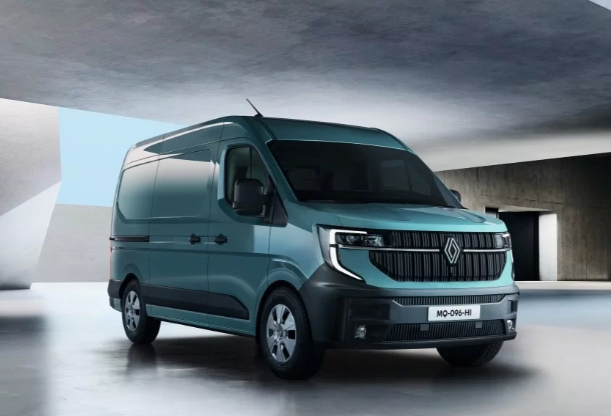
Differences in body length, roof height, door openings, wheel arch positions, payload, factory tie-down points and electrical architecture may require the design to be adapted.
The operational intent should remain consistent, even when the physical design changes.
For example, technicians might retain the same storage zones and equipment categories across two different vans, even though the dimensions of the shelving or exact mounting locations vary.
This is especially important when a fleet contains a mix of internal combustion, hybrid and electric vehicles, where payload and integration requirements may differ.
10. Review the standard over its lifecycle
A fleet fitout standard should not remain unchanged indefinitely.
Review it when:
- A new vehicle model is introduced
- Technician roles change
- New equipment is adopted
- Payload requirements become an issue
- Repairs or failures reveal a recurring problem
- Drivers begin making similar unofficial modifications
- The fleet approaches its next replacement cycle
Technician modifications can provide useful evidence. If multiple drivers independently add the same hook, container or storage solution, the existing standard may not be meeting a genuine operational need.
The objective is controlled improvement rather than constant redesign.
What does a good fleet fitout standard look like?
A strong standard generally includes:
- A common base specification
- A small number of role-based configurations
- Approved modular options
- Defined vehicle compatibility
- Documented drawings and component lists
- A prototype and approval process
- Installation and QA requirements
- Revision control
- A process for reviewing feedback
This approach provides consistency without ignoring the realities of different vehicles and technician roles.
Standardisation should make the fleet easier to manage
The value of standardisation extends beyond achieving a consistent appearance.
A well-developed standard can reduce repeated design work, make quotations easier to compare, support more predictable installation, simplify replacement builds and provide technicians with a familiar working environment.
It also gives fleet managers a clearer basis for assessing change requests and planning future vehicle programs.
VQuip works with fleet operators to develop, prototype, document and deliver repeatable vehicle fitout standards. Whether the requirement covers one technician group or a national fleet with several vehicle and role types, the objective is the same: create a practical standard that can be deployed consistently and improved over time.
To discuss developing or reviewing a fitout standard for your fleet, contact the VQuip team.